Families wanting a flexible breakfast
Plain wholegrain oats can be used for cooked porridge, overnight oats or as a smoothie ingredient rather than as a pre-flavoured cereal.


Choose plain 100% wholegrain rolled oats for a flexible base for porridge, overnight oats or smoothies; choose larger oats where a thicker texture matters; and choose quick or portioned formats when morning time is limited. Where gluten-free or allergy requirements apply, use the exact pack’s labelling and allergen information, and check the school’s own allergy policy before sending food connected with school.
Plain wholegrain oats can be used for cooked porridge, overnight oats or as a smoothie ingredient rather than as a pre-flavoured cereal.
Choose a product labelled gluten-free where that dietary requirement applies, then consider wheat-allergy information and the school’s arrangements for the individual child.
Sachets and pots can reduce measuring or cooking time, but their ingredient and allergen statements should be checked separately from loose plain oats.
Start with the required dietary fit, then choose the oat format around the available preparation time and the texture the child will accept.
| Priority | What to check | Your needs |
|---|---|---|
| Allergen and dietary fit | Check the exact pack for a gluten-free label, ingredients and precautionary allergen wording. A gluten-free label does not automatically settle wheat-allergy suitability. For England, check the school’s allergy policy and the pupil’s individual arrangements. | When gluten, wheat, milk or nut considerations affect breakfast, I need the particular pack to fit the child’s dietary requirements and school routine. |
| Ingredient simplicity | For a plain base, look for an ingredient list limited to wholegrain oats. Compare products with added wheat bran, milk, sugar, flavourings, fruit or nuts against the intended use. | I want to choose toppings and milk separately, so a simple oat ingredient list is more useful than a flavoured ready-made option. |
| Preparation routine | Check the cooking method, preparation time and equipment required. Sachets can provide measured portions, while a microwave-only method needs to suit the morning routine. | On rushed mornings, I need an oat format that works with the time and equipment available at home. |
| Texture and use | Rolled oats, larger-cut oats and superfast oats can give different textures. Check whether the product is intended for porridge, baking or another use, and follow pack instructions. | If texture puts a child off breakfast, I would choose an oat cut that better suits the porridge they are willing to eat. |
A gluten-free label has a specific meaning, but an oat product may still be unsuitable for someone with wheat allergy. Standard oats can also carry precautionary statements for wheat and barley.
Match the product to the diagnosed dietary need, then read the ingredients and allergen wording on the exact pack whenever the packaging or recipe changes.
Portioned sachets and pots can be practical, but they may include milk, sugar, flavourings or precautionary statements that do not apply to a plain loose-oat product.
Start with plain 100% wholegrain oats when a controlled ingredient list is the priority, and check each instant product’s ingredient and allergen panel before choosing it.
Wholegrain products can also contain wheat bran, dried milk, sugar, fruit, nuts or flavourings. These details can affect texture, dietary fit and school allergy considerations.
Compare the full ingredient list rather than relying on the front-of-pack wholegrain description alone.
Department for Education guidance says schools in England must publish an allergy safety policy, but practical arrangements are set by each school and the pupil’s needs.
Before sending food connected with school, confirm the current school policy and the child’s individual medical arrangements.
A broad UK porridge range covering traditional rolled oats, jumbo oats, gluten-free traditional oats and microwaveable sachets.
A UK oat miller offering gluten-free superfast, organic, traditional and jumbo oats alongside instant pots.
A porridge-focused brand with Irish Porridge Oats, organic oats and larger jumbo oats in its UK range.
A breakfast-cereal brand with organic wholegrain rolled-oat porridge and other oat-based cereal formats.
An own-label range including basic porridge oats, oat-and-wheat-bran oats, instant sachets and a gluten-free option listed in its porridge category.
A UK breakfast-cereal brand with oat-based granola and muesli in its current official range information.
Joybuy product options covering gluten-free, plain wholegrain, thicker-texture and portioned quick-cook oat routes for back-to-school breakfasts.
 No image available
A plain option for porridge or baking where a gluten-free oat product is required.
The listing states 100% gluten-free oat flakes and wheat-free claims. Oats remain an allergen, so check the exact pack, dietary plan and school policy before packing.
 No image available
A simple wholegrain-oat choice for households preparing porridge in their preferred way.
The listing states 100% organic wholegrain oat flakes. It is not presented as gluten-free; check the pack allergen statement and preparation instructions if these affect the routine.
 No image available
A portioned option for mornings with microwave access and limited preparation time.
The listing states six 38.5g sachets with a 2½-minute microwave method and wholegrain rolled oats. It is not labelled gluten-free; check the current allergen statement where wheat allergy is relevant.
 No image available
A single-ingredient option for households that prefer a thicker porridge texture.
The listing states 100% oatmeal with no additional ingredients and describes a thicker texture. It may contain wheat and barley, so it is not a confirmed gluten-free option.
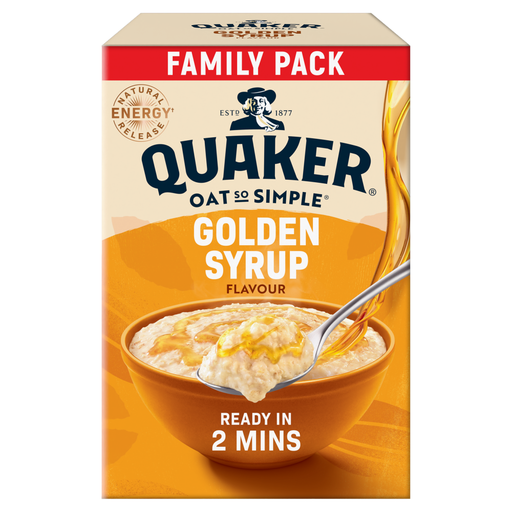 No image available
A measured sachet format for busy mornings where a microwave is available.
The listing states 20 sachets, 81% wholegrain rolled oats and a 2-minute microwave method. It also lists sugar, natural flavourings and salt, and may contain barley, wheat and soya.
No. Do not assume ordinary oats meet a gluten-free dietary requirement. The Food Standards Agency states that food labelled gluten-free must contain no more than 20 mg/kg gluten in the food as sold; choose a specifically labelled product where that requirement applies and read the exact allergen statement.
Not necessarily. Quaker states that its Gluten Free Traditional Wholegrain Oats meet the gluten-free standard but may not suit people with wheat allergy and may contain wheat. Gluten-free dietary management and wheat allergy require separate checks.
Yes. Department for Education guidance says schools in England must publish an allergy safety policy and support pupils with medical conditions including allergies. For food from home or a school-connected breakfast routine, confirm the child’s individual plan and the school’s current policy.
No. They can reduce measuring and preparation time, but their ingredient and allergen information may differ from loose oats. For example, Waitrose Original Instant Porridge Oats may contain milk and nuts, so check the exact product before choosing it for an allergy-sensitive routine.
Follow the pack instructions. The Quaker rolled-oats listing advises storing oats in a cool, dry place and keeping the bag tightly folded or transferring the oats to an airtight container after opening.