Students stocking a first shared kitchen
Choose a shelf-stable breakfast ingredient that is easy to portion and can work in porridge, overnight oats and baking. Plain oats also give you control over any toppings you add.


Choose plain wholegrain rolled oats when you want one versatile cupboard ingredient for porridge, overnight oats and baking. Choose instant or quick-cook wholegrain oats when morning speed and simple portions matter more, while jumbo oats suit a thicker texture; where gluten-free food is required, choose a product specifically labelled gluten-free.
Choose a shelf-stable breakfast ingredient that is easy to portion and can work in porridge, overnight oats and baking. Plain oats also give you control over any toppings you add.
Quick-cook oats and individual sachets can make breakfast simpler when time and shared kitchen space are limited. Check the preparation method before relying on a microwave-only routine.
Read the exact ingredient, allergen and gluten-free wording on each pack. Wholegrain, plain and organic descriptions do not by themselves confirm suitability for an allergy or gluten-free requirement.
Choose this when: you have a saucepan or microwave bowl and want oats for hot porridge, overnight oats and recipes.
Consider: portions need measuring, and preparation may take longer than quick-cook formats.
Choose this when: lectures, commuting or a busy shared kitchen make speed and straightforward portions the priority.
Consider: check the pack for its preparation method and any declared allergen information.
Choose this when: you prefer a thicker, more textured porridge or expect to make flapjacks.
Consider: larger flakes may not suit someone looking for a very smooth, fast breakfast.
Choose this when: you need a product labelled gluten-free.
Consider: gluten-free oats still contain oats and are not suitable for an oat allergy.
| Priority | What to check | Your needs |
|---|---|---|
| Wholegrain wording | Look for wording such as “100% wholegrain oats”, “wholegrain rolled oats” or “wholegrain oat flakes”. Check the ingredient list when comparing plain products. | I want the pack itself to confirm that wholegrain oats are being used, rather than relying on a general brand description. |
| Preparation time | Check whether the oats are instant, quick-cook, standard rolled or jumbo. Confirm whether the stated method needs a microwave, hob, water or milk. | I need breakfast to fit around lectures, commuting and the equipment available in a shared kitchen. |
| Pack format | Compare pack size, portion format and storage space. Sachets offer measured servings; larger bags can suit regular use where dry cupboard space is available. | I want a pack that matches how often I will make porridge and how much space I have after moving in. |
| Allergen suitability | Read the current ingredient and allergen statement on the exact pack. If gluten-free food is required, look for a specific gluten-free label rather than assuming it from wholegrain or organic wording. | I need to avoid an ingredient or cross-contact warning that matters for my own dietary requirements. |
Wholegrain and organic wording do not establish gluten-free status. The Food Standards Agency states that food labelled gluten-free must contain no more than 20mg/kg gluten, while oats remain an allergen in their own right.
If gluten-free food is required, choose an exact pack labelled gluten-free and read its current allergen statement. Do not choose oat products for someone with an oat allergy simply because they are labelled gluten-free.
Jumbo oats are intended for a thicker, more textured bowl, whereas Mornflake describes its smaller quick-cook flakes as absorbing liquid faster for smoother porridge.
Choose jumbo oats for chew and baking; choose quick-cook or instant wholegrain oats when a smooth texture and speed matter more.
A sudden increase in fibre can cause digestive discomfort for some people. An NHS Trust patient guide advises increasing fibre gradually and drinking sufficient fluids.
Start with an ordinary serving and build changes gradually. Seek individual clinical advice if you have a diagnosed bowel condition, a fluid restriction or persistent symptoms.
Mainstream rolled oats and microwave sachets for choosing between a flexible bag of oats and a fast portioned breakfast.
An oat miller with quick-cook, jumbo and organic formats for shoppers deciding by texture and preparation speed.
Wholegrain rolled and organic oat options for students looking for plain oats.
Wholegrain rolled and organic porridge choices for shoppers who prefer a traditional or chunky oat format.
Own-label standard, wheat-bran-added and instant oat formats for comparing preparation styles and pack types.
A breakfast-cereal brand using wholegrain flakes and wholegrain oats in muesli and granola ranges.
Joybuy product options for wholegrain-focused porridge choices, quick individual sachets, larger plain-oat packs and a specifically labelled gluten-free route.
 No image available
Six measured sachets suit rushed mornings and shared-kitchen portioning.
The listing states Quaker Wholegrain Rolled Oats as the only ingredient, 3.5g fibre per 38.5g serving and a 2½-minute microwave method. It contains oats and the quick method requires a microwave.
 No image available
This 1kg plain-oat pack suits regular use where you want to choose your own toppings and recipes.
The listing states 100% organic wholegrain oat flakes and 3.3g fibre per 40g serving. It contains oats; check the pack directions if microwave-only preparation is important.
 No image available
Two 1kg packs can suit a shared house or frequent porridge use when there is enough dry storage.
The bundle is described as 100% organic wholegrain oat flakes with 3.3g fibre per 40g serving. It contains oats and may be more than an occasional oat eater needs.
 No image available
This is the specialist option when a specifically labelled gluten-free oat product is required for porridge or baking.
The listing identifies 100% gluten-free oat flakes, wheat-free wording and 3.4g fibre per 40g portion. It contains oats; if wholegrain is essential, check the current pack wording.
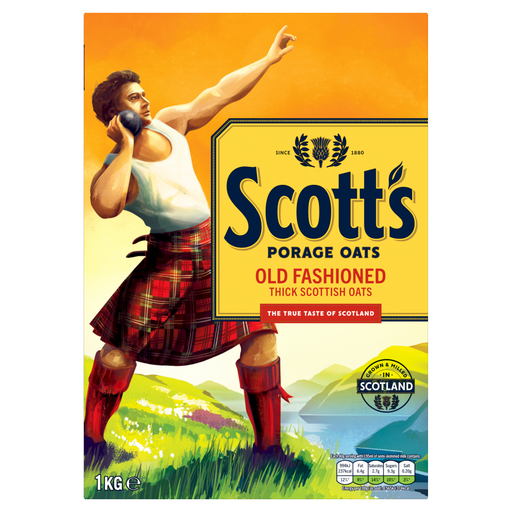 No image available
Thicker rolled oats suit students who prefer a heartier bowl and have a hob or microwave available.
The listing gives a 4–5-minute stovetop method and a 2–3-minute microwave method using water or milk. It may contain wheat and barley, and the current pack wording should be checked if wholegrain status is essential.
No. Check the wording on the exact pack for terms such as “100% wholegrain oats”, “wholegrain rolled oats” or “wholegrain oat flakes”. Specified Quaker, Flahavan's, Jordans, Mornflake and Waitrose products use these descriptions, but category names alone are not enough.
Not necessarily. Waitrose describes its specified instant product as instant wholegrain oat flakes, and Quaker Original sachets are listed as 100% wholegrain oats. The practical difference is usually preparation and portion format, so compare the exact ingredient list and pack instructions.
Choose a larger bag when you will make porridge regularly and can measure portions; choose sachets when rapid preparation and portable portions solve a genuine routine problem. Consider cupboard space, your likely frequency of use and whether the stated method works with your kitchen equipment.
No. Choose an exact product labelled gluten-free when that requirement applies. The Food Standards Agency states that food labelled gluten-free must contain no more than 20mg/kg gluten, but oats remain an allergen, so a gluten-free oat product is not suitable for someone allergic to oats.
Increase changes gradually and drink sufficient fluids. An NHS Trust patient guide advises a gradual increase in fibre; seek personalised clinical advice if you have a digestive condition, a fluid restriction or persistent symptoms.