Adults wanting softer everyday porridge
If you prefer a creamy breakfast or light meal that needs less chewing, quick-cook or instant wholegrain flakes are usually a more suitable starting point than jumbo oats.


For an ordinary easy-chew preference, choose plain wholegrain quick-cook or instant oat flakes rather than jumbo oats. Mornflake says its smaller quick-cook flakes absorb liquid faster for a smooth, creamy porridge, while wholegrain status is available in several flake formats. If swallowing difficulty or a prescribed IDDSI diet is involved, prepared porridge must match the clinician’s guidance and be checked at its intended serving condition.
If you prefer a creamy breakfast or light meal that needs less chewing, quick-cook or instant wholegrain flakes are usually a more suitable starting point than jumbo oats.
Start with the required food texture and cooking method rather than assuming every porridge oat cooks to the same consistency. University Hospitals Sussex NHS Foundation Trust notes that speech and language therapists advise on the appropriate thickness and lumpiness of food.
Wholegrain oats come in quick-cook, instant, rolled and jumbo formats. The flake format is the more useful choice point when you want to avoid a chunky bowl.
Choose the oat format first, then check the ingredients and preparation guidance for the exact pack.
| Priority | What to check | Your needs |
|---|---|---|
| Texture and chewing effort | Look for quick-cook or instant flakes; compare descriptions of smoothness with descriptions of thick or textured oats; prepare with enough liquid for the desired consistency. | I want porridge that is moist, smooth and easy to manage with a spoon rather than pronounced flakes or bite. |
| Wholegrain format | Check whether the pack states wholegrain oats; distinguish quick-cook, instant, rolled and jumbo flakes; do not use organic status as a guide to texture. | I want wholegrain oats without having to choose a visibly chunky or coarse-style porridge. |
| Ingredients and allergens | Read the current ingredient list and allergen statement; check flavour sachets separately from plain oats; look for product-specific gluten-free labelling where needed. | I need to check oats, wheat, barley, milk, nuts and any relevant may-contain statements before using a product regularly. |
| Prescribed texture needs | Follow the prescribed IDDSI level; assess the prepared food at its serving temperature; avoid assuming that a soft-looking bowl is automatically suitable. | If chewing difficulty is linked to swallowing difficulty, I need food that meets the individual texture plan rather than ordinary porridge that merely feels soft. |
Wholegrain describes the grain components retained after milling, while flake size and processing affect cooking speed and texture.
Compare the format on the pack. Quick-cook, superfast and instant wholegrain flakes are more relevant when a smooth bowl is the priority; reserve jumbo oats for a more textured porridge.
Jumbo oats are marketed for noticeable texture, while granola may include nuts, seeds, rye flakes and crunchy pieces that change the eating texture.
For an easy-chew meal, start with plain quick-cook, instant or well-cooked rolled oats. Add crunchy toppings only when they are suitable for the eater.
A prescribed food thickness, lumpiness and testing method are individual clinical matters. The International Dysphagia Diet Standardisation Initiative says testing should take place under intended serving conditions.
If swallowing difficulty is involved, follow the speech and language therapist’s or dietitian’s instructions and check the prepared food at its intended temperature and consistency.
Oat products can carry warnings relating to wheat, barley, milk, nuts or other gluten sources, and formulations can differ between products in the same range.
Read the current pack whenever you change product or flavour. Choose a specifically labelled gluten-free oat product only where that is required.
A UK oat specialist with wholegrain jumbo, quick-cook and instant or superfast formats.
A broad UK porridge range covering traditional rolled oats, jumbo oats, sachets, pots and gluten-free products.
An Irish porridge-oat brand with plain, organic and quick-oat formats sold in the UK.
A breakfast-cereal brand offering organic porridge and chunky traditional wholegrain rolled oats.
A UK retailer own-label range with instant wholegrain oats and wholegrain oats with added wheat bran.
A breakfast-cereal brand whose current range emphasis includes muesli and granola.
Joybuy options for wholegrain porridge in instant sachet and traditional plain-oat formats, for everyday easy-chew preferences rather than prescribed texture-modified diets.
 No image available
A portioned wholegrain option for a quick, plain porridge without confirmed fruit, bran or crunchy additions.
Wholegrain rolled oats; stated 2½-minute microwave preparation; oats are declared as an allergen. For a prescribed IDDSI diet, follow clinical guidance and assess the prepared porridge at serving conditions.
 No image available
A plain wholegrain option for regular porridge preparation without confirmed added fruit, seeds or bran.
100% organic whole grain oat flakes; described as a creamy breakfast. Check the pack preparation instructions for the preferred softness and review current allergen information.
 No image available
A loose-pack choice for plain wholegrain porridge where you can adjust preparation to the preferred softness.
100% organic whole grain oat flakes; described as a creamy breakfast. Check the pack instructions and current allergen information before use.
 No image available
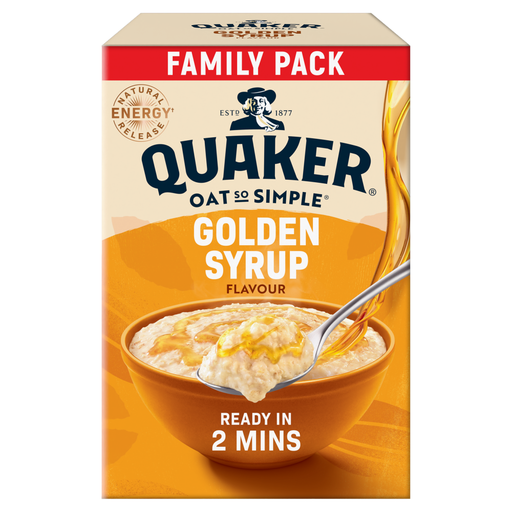
A wholegrain microwave sachet option for quick individual portions when golden syrup flavour is suitable.
Stated 2-minute microwave preparation; contains sugar, flavourings and salt; stated allergen information includes oats, barley, wheat and soya.
 No image available
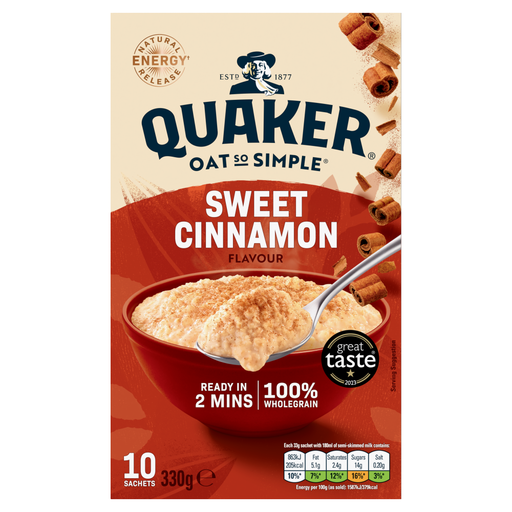
A flavoured, portioned wholegrain oat option for fast routine preparation when cinnamon is wanted.
Whole grain oat flakes with a stated 2-minute microwave method; contains sugar, cinnamon, flavourings and salt; produced in a facility that processes wheat.
No. Wholegrain describes the grain components retained after milling, not a guaranteed flake size or final porridge texture. Quick-cook and instant products can be wholegrain, while jumbo oats can also be wholegrain but are intended to provide more texture.
For an ordinary, non-medical easy-chew preference, start with quick-cook or instant wholegrain oat flakes and use sufficient liquid. Mornflake says its smaller quick-cook flakes absorb water or milk faster and make a smooth, creamy porridge.
Do not assume so. University Hospitals Sussex NHS Foundation Trust states that people on a soft and bite-sized diet have been assessed by a speech and language therapist, while IDDSI says clinicians make individual recommendations. Prepared porridge must match the prescribed IDDSI level and be checked under intended serving conditions.
Only if the added texture is suitable for the eater. For people needing Level 4 pureed food, IDDSI lists seeds, nuts, husks, visible lumps and sticky foods among textures to avoid; added wheat bran also changes the ingredient and allergen profile.
Check the exact current pack and product page. Plain oats can still carry may-contain warnings or be unsuitable for people avoiding particular wheat, barley, milk or nut allergens. Do not assume a plain-looking oat product is gluten-free unless the specific product is labelled accordingly.