Choose a croissant only when its pack and ingredients explicitly identify it as wholemeal or wholegrain; all-butter, premium, reduced-fat and free-from descriptions do not establish the grain type. Tesco, Sainsbury’s, M&S, Waitrose and Lidl croissant ranges cited here list standard, all-butter, filled, reduced-fat or free-from products rather than an explicitly labelled wholemeal croissant, so a clearly labelled wholegrain staple is the more reliable camping option when that attribute matters.
Who this is for
Campers prioritising wholegrain fibre
Choose a portable breakfast pastry only when the label confirms wholemeal or wholegrain ingredients. If no croissant does, pack a clearly labelled wholegrain alternative instead; the NHS advises choosing wholegrain versions of starchy foods where possible.
Weekend campers packing no-cook breakfasts
Look for food that travels easily and can be eaten without cooking. Individually wrapped pastries can be convenient, but follow the storage instructions and keep chilled foods under proper temperature control.
Campers managing allergies or intolerances
Use the product-specific ingredient and allergen information on the pack rather than assumptions from a bakery display. Croissants can contain wheat, milk or egg and may carry additional allergen warnings.
What to check before packing
Check the grain identity first, then storage and allergen information before adding pastries to a camping food plan.
| Priority |
What to check |
Your needs |
| Wholemeal identity |
Look for an explicit wholemeal or wholegrain description in the product name and ingredients. Use fibre per 100g only to compare products after confirming the grain type. |
I want a genuinely wholegrain breakfast component, not a standard wheat-flour croissant presented as premium or reduced-fat. The NHS recommends choosing wholegrain versions of starchy foods where possible. |
| Camping storage |
Follow the pack storage instruction. Choose dry or ambient-stored food for trips without reliable chilling; chilled foods need cooling that keeps them below 5°C. |
I need food that stays practical during transport and changing outdoor temperatures. The Food Standards Agency advises extra care with ready-to-eat food when camping and notes that a cool box may not keep food chilled for an extended period. |
| Allergen clarity |
Read the current ingredient list, allergen statement and any may-contain warning. Check again at purchase because recipes and allergen information can change. |
I need to know exactly what is in the food before travelling. Waitrose product information for croissants identifies wheat, milk and egg in examples, while some products also carry additional allergen warnings. |
Common mistakes
-
Mistaking all-butter or premium for wholemeal
All-butter, premium, reduced-fat and free-from descriptions refer to recipe, positioning, fat content or allergen-related attributes, rather than proving that wholegrain flour is used.
Buy only when the exact product name and pack information explicitly support a wholemeal or wholegrain choice. Otherwise, pack a clearly labelled wholegrain staple separately.
-
Packing chilled foods without dependable refrigeration
Temperatures and humidity in a tent or vehicle differ from home, and a cool box may not maintain a safe chilled temperature over a longer trip.
For trips without reliable cooling, prioritise dry or ambient-stored food and follow the pack instructions. If chilled food is necessary, use suitable cooling equipment and keep it at 5°C or below, as advised by the Food Standards Agency.
-
Relying on bakery-counter assumptions for allergies
Croissants commonly contain wheat, milk and egg, and some products carry nut-related warnings. Ingredient and allergen details can change between recipes.
When detailed allergen information is needed, use a prepacked product and read the current pack every time. Avoid products whose allergen information conflicts with the individual’s medical advice.
-
Using fibre figures alone as proof of wholemeal content
A nutrition panel can help compare products, but fibre values do not identify the flour as wholemeal. Waitrose lists wheat flour in both its all-butter croissant and St Pierre croissants, despite different fibre values per 100g.
Confirm wholemeal or wholegrain identity from the product name and ingredients before using fibre information as a comparison point.
Relevant supermarket ranges
Tesco Finest / Tesco
Tesco’s croissant category includes Tesco own-label, Tesco Finest all-butter and branded shelf-stable options in several pack sizes.
- Useful for comparing different pack sizes and plain, almond, chocolate and all-butter styles.
- The listed croissant range does not identify a product as wholemeal or wholegrain, so check the exact label before relying on it for that choice.
Sainsbury's
Sainsbury’s croissant category includes standard, all-butter, Taste the Difference, filled and free-from options.
- Useful for comparing standard, premium and free-from croissants within one retailer range.
- Free-from status is not the same as wholemeal status; verify an explicit wholemeal or wholegrain claim on the product pack.
M&S
M&S describes croissants in all-butter, reduced-fat, filled and Made Without product lines, with availability varying by store.
- Useful when comparing all-butter, reduced-fat or wheat/gluten-free product lines.
- These descriptions do not confirm wholemeal content, so the ingredient list remains essential for a wholegrain-focused choice.
Waitrose
Waitrose offers fresh and packaged croissants, including an own-label all-butter croissant and individually wrapped St Pierre croissants.
- The cited product pages provide ingredient, nutrition, allergen and storage information useful for pre-trip checks.
- The cited products list wheat flour rather than a wholemeal claim; neither should be assumed to be wholemeal.
Lidl
Lidl’s in-store bakery includes sweet pastries and an all-butter croissant, with availability depending on the store.
- Useful for an in-store bakery purchase when a standard croissant is acceptable.
- The all-butter croissant information identifies milk, wheat and egg allergens but does not establish wholemeal or wholegrain status. Lidl’s wholemeal bakery listing refers to a seeded farmhouse loaf rather than a croissant.
Joybuy product options
Joybuy options for campers who need a clearly labelled wholegrain alternative when a genuine wholemeal croissant cannot be confirmed.
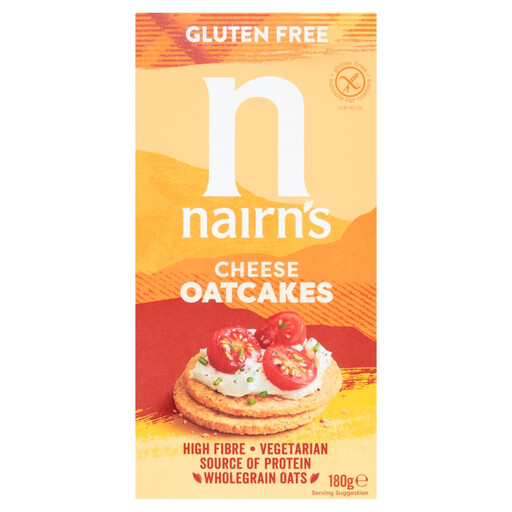 Image unavailable
Nairn's Gluten Free Cheese Oatcakes 180g
A clearly labelled wholegrain oatcake alternative for a no-cook camping breakfast or snack.
States 72% gluten-free wholegrain oats, 9.0g fibre per 100g and cool, dry storage.
This is an oatcake rather than a wholemeal croissant. It contains milk and oats, may contain nuts, and is not suitable for young children because of the stated choking risk. Check the current pack for individual allergy or intolerance requirements.
Joybuy
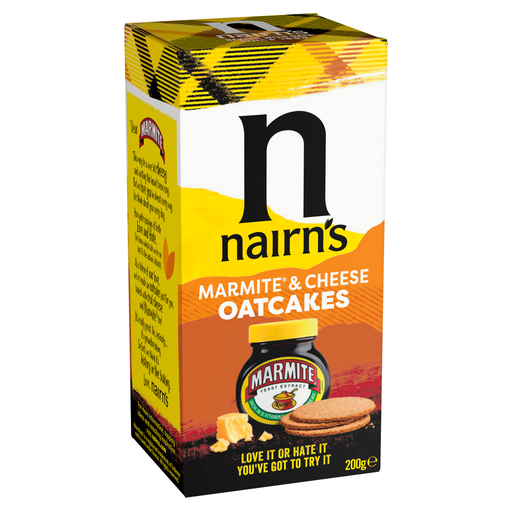 Image unavailable
Nairn's Marmite & Cheese Oatcakes 200g
A wholegrain oatcake option for an ambient camping snack when a wholemeal croissant is unavailable.
States 75% wholegrain oats, 7.8g fibre per 100g and cool, dry storage.
This is an oatcake rather than a wholemeal croissant. It contains oats, barley, wheat, rye, milk and celery, so it is unsuitable where these allergens or gluten conflict with individual requirements.
Joybuy
Questions about camping croissants
Are croissants listed by the named UK supermarkets wholemeal?
Do not assume so. Tesco, Sainsbury’s and M&S list standard, all-butter, filled, reduced-fat or free-from croissants in the ranges cited here, while Waitrose’s all-butter croissant lists wheat flour and Lidl’s product is named All Butter Croissant. Check the exact pack or product page for an explicit wholemeal or wholegrain claim before buying.
What can I pack for a clearly wholegrain camping breakfast?
If you cannot verify a wholemeal croissant, pack a clearly labelled wholemeal bread, wholegrain cereal, oatcake or another wholegrain starchy food for that part of the meal. The NHS recommends choosing wholegrain versions of starchy foods where possible.
Can I take croissants camping without a cool box?
A plain croissant can be practical when its pack allows ambient storage, provided you follow its specific instructions. Do not use that approach for chilled fillings or other ready-to-eat foods that need refrigeration: the Food Standards Agency advises keeping food below 5°C and notes that a cool box may not keep food chilled for an extended period.
What allergen checks should I make before travelling?
Read the actual pack immediately before purchase, including the ingredients, allergen statement and any may-contain warning. Croissant examples cited by Waitrose and Lidl contain or may contain wheat, milk, egg and nuts, and recipe information can change.


