Who this is for

Shoppers who need a genuinely wholemeal elevenses option

If wholemeal or wholegrain is essential, look for those words on the product and check the ingredient list. The named retailer ranges list standard or all-butter croissants made with wheat flour, which is not the same as a wholemeal designation; Tesco Groceries, M&S, Sainsbury's, Waitrose, Asda and Lidl provide the relevant product listings.

Croissant buyers comparing nutrition and portion size

If you still want a croissant, compare fibre, fat, saturated fat and the stated serving size on the exact pack. A reduced-fat product can be a separate option, but it does not make the pastry wholemeal.

Allergy-aware supermarket bakery shoppers

Check the precise current pack before purchase. The products cited by Sainsbury's, Waitrose, Asda, Lidl and M&S commonly declare wheat or gluten, milk and egg, and some products carry additional precautionary statements.

What to check before buying

Choose a verified wholegrain alternative

Choose this when: Wholemeal is non-negotiable for your elevenses snack or you are looking for a clearly labelled wholegrain food.

Trade-off: Bread, crispbread or another wholegrain snack will not give the flaky, buttery texture of a croissant. NHS guidance identifies wholemeal or granary bread and wholegrains as practical ways to increase fibre.

Choose a standard croissant for pastry

Choose this when: The pastry experience matters more than a wholemeal requirement.

Trade-off: Compare each pack's serving size, fibre, fat, saturated fat and allergens. M&S says its Reduced Fat All Butter Croissants contain 30% less fat than its own all-butter croissants, but they are not described as wholemeal.

Priority What to check Your needs
Wholemeal status Look for an explicit wholemeal or wholegrain description. Check that the ingredient information supports the product identity rather than relying on the words “wheat flour”. I need an elevenses option that is clearly wholemeal or wholegrain, not simply a standard wheat-flour pastry.
Fibre and serving basis Compare fibre on the stated basis, such as per serving or per 100g. Compare like with like before deciding between products of different sizes. I want to see the declared fibre value and understand how much food that figure represents.
Pastry portion Check the weight or stated serving before comparing energy, fat and saturated fat. Use the figures for the exact croissant, not the pack alone. I still want a croissant, but I want its portion and declared nutrition values to fit my elevenses plan.
Allergens Read the current ingredient list, emphasised allergens and any precautionary statement. Recheck when changing between packaged and in-store bakery products. I need to know whether the exact product is suitable for my allergy or intolerance requirements.

Common buying mistakes

  • Assuming wheat flour means wholemeal

    That can leave you with a standard refined-flour pastry when wholegrain or fibre was the reason for your choice. The cited croissant listings use wheat flour but do not present the products as wholemeal.

    Make an explicit wholemeal or wholegrain description essential when this attribute is required. If it is absent, choose a clearly labelled alternative rather than treating the croissant as a match.

  • Comparing nutrition without matching serving sizes

    Per-croissant values can differ substantially between products and portions. Sainsbury's lists 4.5g saturates per croissant for its six-pack, while Waitrose lists 10.1g per croissant for its No.1 butter croissant; these are different products and serving sizes.

    Compare figures only after confirming the stated croissant weight or serving basis, then decide whether that portion suits your snack.

  • Missing milk, egg, wheat or cross-contact warnings

    Croissants often contain several allergens, and bakery preparation can introduce additional precautionary considerations.

    For an allergy or intolerance, use the current information for the exact pack. Do not buy when a declared allergen or precautionary statement is unsuitable.

  • Treating an online listing as a permanent offer

    Prices, promotions, stock and recipe information can vary by store or change over time.

    Confirm local availability before shopping, particularly for Foodhall, Lidl and in-store bakery products.

Relevant supermarket ranges

M&S

M&S Food offers all-butter and reduced-fat croissant options for shoppers comparing pastry styles.

  • M&S states that its Reduced Fat All Butter Croissants have 30% less fat than its own all-butter croissants.
  • The reduced-fat product begins with wheat flour and is not presented as wholemeal; check the current label because product information may change.

Tesco Finest

Tesco Finest is a premium own-label route for shoppers looking for an all-butter four-pack.

  • Tesco Groceries lists Tesco Finest All Butter Croissants 4 Pack alongside other croissant choices.
  • Do not infer wholemeal status from the Finest name; the cited category listing does not establish a wholemeal or wholegrain Tesco Finest croissant.

Sainsbury's

A ready-to-eat six-pack option that can also be warmed for elevenses.

  • Sainsbury's lists its croissants as ready to eat and suitable for warming.
  • The cited six-pack contains wheat flour, palm oil, butter and egg, and is not labelled wholemeal.

Waitrose

Waitrose No.1 offers a smaller two-croissant all-butter pack with French-style positioning.

  • Waitrose describes its No.1 croissants as prepared in France with French flour and butter churned in France.
  • They contain wheat, milk and egg and are not a verified wholemeal option.

Asda

Asda offers packaged six-packs as well as in-store bakery all-butter croissants.

  • The range gives shoppers different pack formats to compare.
  • The cited packaged and bakery products use wheat flour and are not labelled wholemeal; Asda advises that online product information and availability can change.

Lidl

An in-store all-butter croissant option for shoppers who can check their selected shop.

  • Lidl lists an All Butter Croissant as an in-store product.
  • The product declares milk, wheat and egg allergens, and the listing does not establish it as wholemeal.

Joybuy product options

Joybuy option for elevenses when a clearly wholegrain alternative matters more than having a croissant.
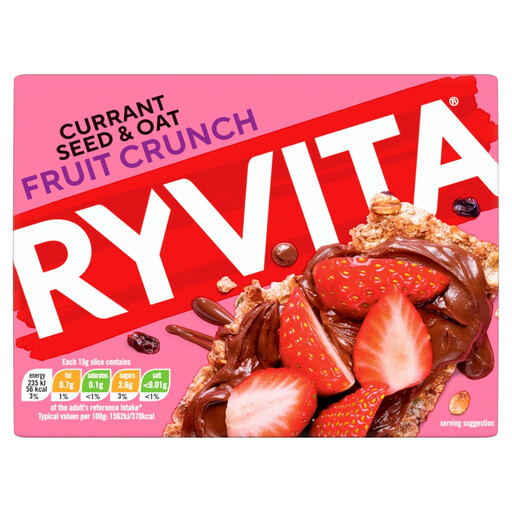
Ryvita Fruit Crunch 200g wholegrain crispbread

Ryvita Fruit Crunch 200g

A ready-to-eat elevenses alternative when a clearly wholegrain food matters more than croissant texture.

Made with wholegrain rye flour, wholegrain wheat flour, wholegrain kibbled rye and wholegrain oat flakes; states 11.2g fibre per 100g. It contains rye, wheat and oats and may contain sesame seeds and other gluten sources, so check the current pack for allergy suitability.

Joybuy

Frequently asked questions

Do the named M&S, Tesco Finest, Sainsbury's, Waitrose, Asda and Lidl ranges include a verified wholemeal croissant?

No wholemeal or wholegrain croissant is identified among the cited online range listings. The listed products are standard or all-butter croissants with wheat flour in the inspected ingredient information, which is not the same as an explicit wholemeal claim. Local ranges and future products can change, so check the current pack if you find another variant.

Is a croissant made with wheat flour automatically wholemeal?

No. Wheat flour alone does not show that the flour is wholemeal. When wholemeal is essential, look for an explicit wholemeal or wholegrain designation and confirm the current ingredients; otherwise choose a clearly labelled wholemeal bread, roll or other wholegrain snack.

What label information matters for a fibre-focused elevenses choice?

Start with an explicit wholemeal or wholegrain description, then compare fibre per serving and the serving size. NHS guidance recommends wholemeal or granary bread and wholegrains as practical ways to increase fibre, while fibre figures on standard croissants must be compared on their stated product basis.

Can a reduced-fat croissant count as a wholemeal croissant?

No. M&S says its Reduced Fat All Butter Croissants have 30% less fat than its own all-butter croissants, but the product is not described as wholemeal. A reduced-fat comparison and a wholemeal claim address different buying needs.

Which allergens should I check before buying croissants?

The cited products commonly declare wheat or gluten, milk and egg. Some also have additional allergen or cross-contact statements, particularly for bakery products, so use the current physical pack or retailer information for the exact item before eating or serving it.