What to check before buying
Start with the requirement that cannot be compromised, then compare format and ingredient information for the exact product you plan to serve.
| Priority |
What to check |
Your needs |
| Wholemeal status |
Look for explicit “wholemeal” or “wholegrain” wording on the pack, shelf label or product information. Compare the ingredients and nutrition information for that exact item. If the wording is absent, do not treat a conventional croissant as a wholemeal choice. |
I want a pastry that genuinely matches a wholemeal or wholegrain preference. If that is the main aim, I would choose a clearly labelled wholegrain bakery item rather than rely on the croissant category. |
| Serving format |
Compare whether the product is all-butter, filled or bake-at-home, and check the pack count. Bake-at-home products need freezer storage and oven time; multipacks can suit sharing. |
For a brunch-style Pancake Day table, I may prefer a traditional buttery croissant, a filling such as almond or chocolate-hazelnut, or a warm bake-at-home option. |
| Allergen certainty |
Read the full current ingredients and allergen information for packaged items. For loose bakery goods, ask for current in-store allergen information and check the specific filling. |
I need to know whether the exact croissant contains relevant allergens such as wheat, milk, egg or nuts, rather than assuming that a plain-looking pastry is suitable. |
Joybuy product options
Joybuy option for a clearly wholegrain bakery alternative when an explicitly wholemeal croissant is not available for the occasion.
 No image available
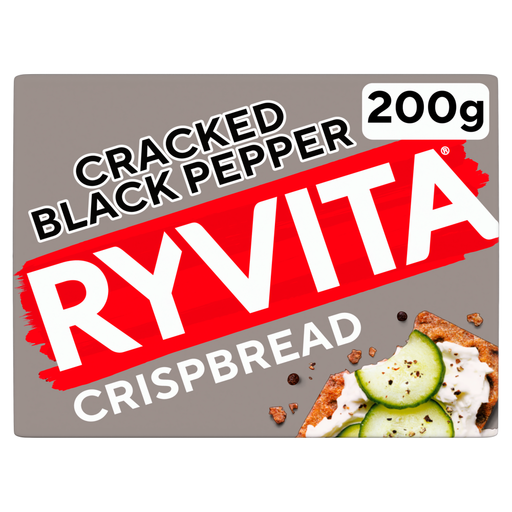
Ryvita Deli Cracked Black Pepper Rye Crispbread, 5 Pack, 200g
A ready-to-eat savoury alternative for open sandwiches, soups or a brunch side when a traditional croissant is not required.
Made with whole grain rye flour and listed with 14.5g fibre per 100g. This is rye crispbread rather than a soft, flaky croissant; it contains gluten from rye and may contain sesame and other cereals containing gluten.
Joybuy
Frequently asked questions
Are wholemeal croissants verified in the listed UK supermarket ranges?
Tesco, M&S, Waitrose and Lidl listings mainly identify standard, all-butter or filled croissants rather than an explicitly wholemeal croissant. This does not rule out a temporary, local or different retailer line, so check the exact shelf label and ingredients if wholemeal is essential.
Does an all-butter, reduced-fat or gluten-free croissant count as wholemeal?
No. These descriptions refer to recipe style, fat positioning or gluten and wheat status, not necessarily to wholemeal flour. Treat wholemeal or wholegrain as a separate requirement that needs explicit wording on the pack or ingredients information.
What can I choose if I want a higher-fibre option but cannot find a wholemeal croissant?
Choose a food explicitly labelled wholemeal, wholegrain or higher fibre rather than assuming a conventional croissant meets that requirement. The NHS suggests wholemeal or granary bread and other wholegrain staples when increasing fibre intake.
How should I check allergens for supermarket or in-store bakery croissants?
Check the exact product packaging or ask the retailer for current allergen information. The Food Standards Agency says allergen information must be provided for both prepacked and non-prepacked food, and fillings can introduce additional allergens beyond those in a plain croissant.
Is a croissant a replacement for Pancake Day pancakes?
Not necessarily. A croissant can work as a brunch side or alternative pastry, but it is a separate choice from pancakes or pancake mix. Decide whether you need pancakes, a pastry accompaniment or a wholemeal breakfast item before shopping.


