Parents of toddlers under 2
Wholemeal naan can be part of a varied breakfast, but the NHS advises that wholegrain foods should not be the only starchy foods offered at this age.


Wholemeal naan can be one of several starchy foods at a toddler’s breakfast; it need not replace plain naan or other starches. The NHS advises against making wholegrain starches the only option for children under 2, or high-fibre foods the only option for children under 5. Check the particular naan’s salt and allergen information as well as its flour.
Wholemeal naan can be part of a varied breakfast, but the NHS advises that wholegrain foods should not be the only starchy foods offered at this age.
If you are adding more wholegrains, keep other foods in the rotation too. NHS guidance cautions against giving only high-fibre foods before age 5 because they can fill small stomachs before children get enough calories and nutrients.
Check the naan’s wheat and gluten declaration and the setting’s food-allergy policy before packing it. Requirements depend on the individual setting; in England, Department for Education guidance requires schools to publish an allergy safety policy.
When it fits: Use it as one starch in a varied breakfast, rather than choosing it solely because it says ‘wholemeal’.
Bear in mind: The NHS cautions that high-fibre foods can fill young children’s small stomachs before they get enough calories and nutrients.
When it fits: Keep other starchy choices alongside wholemeal foods, particularly for a child under 2.
Bear in mind: Plain naan still needs a salt and allergen check; its name does not tell you what a toddler-sized portion contains.
| Priority | What to check | Your needs |
|---|---|---|
| Wholemeal and fibre | Look for wholemeal flour in the ingredients, then read the fibre value per 100g and the portion information. The NHS advises against offering only wholegrain starches to under-2s or only high-fibre foods to under-5s. | I want to include wholemeal foods without making them the only starchy choice at breakfast. |
| Salt | Compare salt per 100g and in the portion served. The NHS recommends no more than 2g of salt a day for children aged 1 to 3. Tesco Plain Naans list 0.48g per half naan (65g); Waitrose Plain Naan lists 0.95g per naan. Those serving sizes differ. | A small serving may be enough for my toddler, so I need the salt figure for the amount I will serve, not just the figure for a full naan. |
| Allergens | Read the current pack’s ingredients and highlighted allergens. Tesco and Waitrose identify wheat or cereals containing gluten in their plain naan examples. Check the nursery or school’s own policy before packing food. | If food is going to nursery or school, I need to know what the pack declares and what that setting permits. |
| Size and storage | Compare mini and standard formats, pack quantity, and the particular product’s opened-pack, freezing and reheating instructions. | For an occasional breakfast, I would rather choose a pack I can use and store according to its instructions than rely on serving a full naan each time. |
According to the NHS, high-fibre foods can fill a young child’s stomach before they get enough calories and nutrients.
Keep a variety of starchy foods available. For children under 2, do not make wholegrain starches the only option.
Flour type and salt content are separate label details. Tesco Plain Naans list 0.48g salt per half naan, while Waitrose Plain Naan lists 0.95g per naan; the portions are not the same size.
Use the current pack’s per-100g and serving figures to work out the amount in the portion offered.
The Tesco and Waitrose plain naan examples declare wheat or cereals containing gluten. A nursery or school may also have its own food-allergy arrangements.
Read the physical pack before serving or packing naan, and check the individual setting’s policy.
A larger pack may be less practical when breakfasts call for small portions and the product has specific storage instructions.
Check pack size and follow that product’s instructions for opening, freezing, defrosting and reheating.
These retailer examples help with label and format checks; a plain or mini listing does not establish that a wholemeal version is available.
Tesco’s Plain Naans provide a product-specific example for checking ingredients and portion-based nutrition.
Sainsbury’s naan category includes plain, mini plain and flavoured formats.
Waitrose Plain Naan offers another product-specific label example.
M&S lists mini plain naan alongside other naan formats.
Lidl provides general information about its in-store bakery range.
These options are plain and flavoured naan, plus a plain paratha if you are considering a different flatbread. The paratha is not naan, and none of these products is a wholemeal naan.
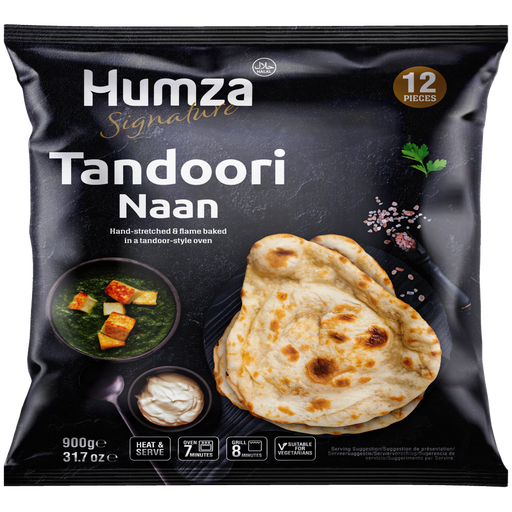 No image available
A plain naan option for a household planning several servings. It is not a wholemeal choice; check the pack’s salt, allergens and storage instructions when deciding how much to serve and keep.
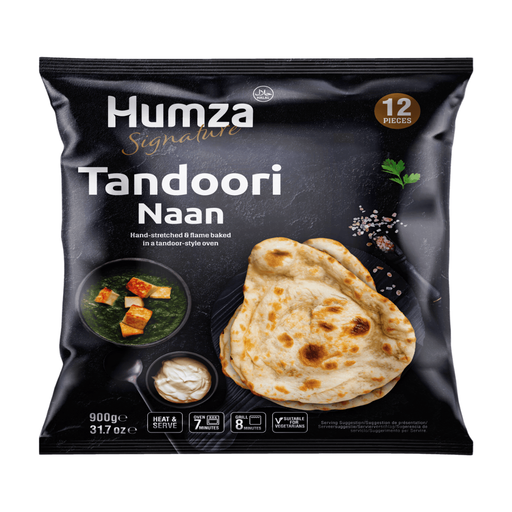 No image available
This four-piece plain naan pack is an alternative to the larger family pack for occasional use. It is not wholemeal; read its own salt and allergen declaration before serving.
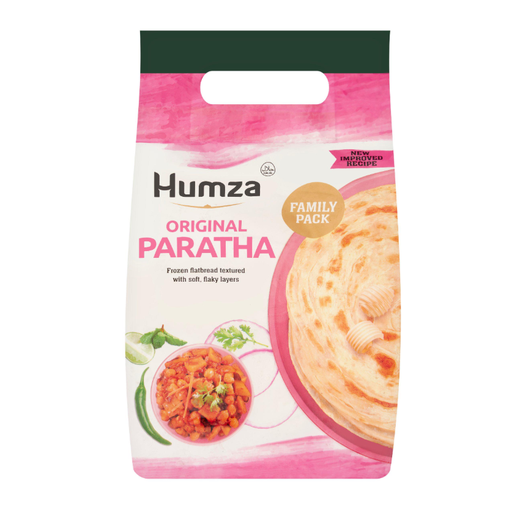 No image available
This is a paratha, not a naan, for shoppers considering a different plain flatbread. With a young child, check its fibre, salt, allergens and portion information rather than assuming it has the same recipe as plain naan.
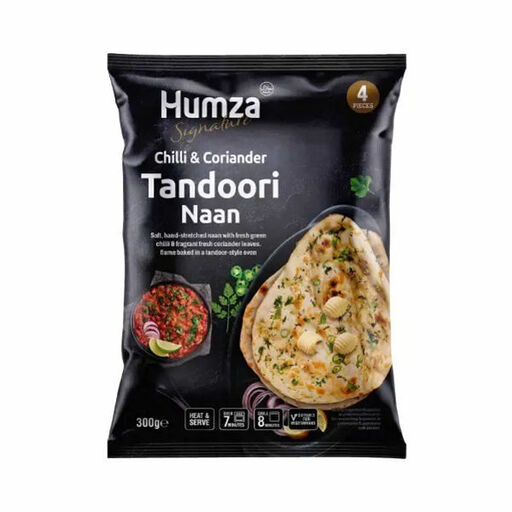 No image available
This flavoured four-piece naan pack is distinct from the plain choices and is not wholemeal. Check the particular pack’s salt and allergen information rather than assuming the recipe matches a plain naan.
It can be one choice, but it should not be the only starchy food offered to a child under 2. The NHS also advises against giving only high-fibre foods before age 5, as they can fill small stomachs before children get enough calories and nutrients.
Read the salt figure on the current pack and account for the portion you will serve. The NHS recommends no more than 2g of salt a day at ages 1 to 3. Tesco Plain Naans list 0.48g per half naan (65g), while Waitrose Plain Naan lists 0.95g per naan, so compare serving sizes as well as the figures.
Recipes vary, but the Tesco and Waitrose plain naan examples declare wheat or cereals containing gluten. Check the current pack’s ingredients and highlighted allergens for the exact product, particularly where wheat or gluten must be avoided.
Check the individual setting’s food-allergy policy and the naan’s allergen label before packing it. Department for Education guidance requires schools in England to publish an allergy safety policy; that does not establish a single packed-lunch rule for every UK nursery or school.
Check the instructions for the exact product before freezing it. The Tesco Plain Naans and Waitrose Plain Naan product information includes freezing guidance, but storage and defrosting directions should not be assumed to apply to another naan.