What matters when choosing pasta?
Start with the requirement that would change your choice of pasta, then check the packet and the effort needed to prepare a meal with it.
| Concern |
What to check |
Who this matters to |
| Fibre in everyday meals |
Look for wholewheat pasta and compare fibre per 100g on the same dry-product basis. The Barilla and M&S wholewheat examples state 8g and 9g per 100g respectively. |
If I want a cupboard base for regular meals and fibre is my main priority, wholewheat pasta is worth comparing. About 34% of consumers put that higher-fibre need first. |
| Preparation effort |
Read the pasta cooking directions and any sauce instructions; a stir-in sauce may avoid a separate heating step, but the pasta still needs cooking. |
When cooking feels like a chore, I want to know how many steps stand between the packet and a meal. Low-effort preparation comes first for about 33% of consumers. |
| Small appetite |
Check whether individual dietary advice applies, and plan suitable protein- and energy-containing additions rather than relying on a larger pasta portion. |
If I am shopping for someone struggling to eat enough, I need a dish they can manage, not simply the highest-fibre packet. About 25% of consumers prioritise that appetite-related need. |
| Gluten-free assurance |
Check the current ingredients, allergen wording and any relevant certification. Coeliac UK says its Crossed Grain Trademark involves additional product and manufacturing checks. |
For a person who must avoid gluten, I need clear assurance from the packet before considering flavour or convenience. That requirement comes first for about 8% of consumers. |
Pasta options on Joybuy
These options cover a plain wholewheat pasta base, gluten-free lasagne and a flavoured instant pasta meal. Choose by the meal you intend to make; they do not serve the same preparation or dietary need.
 No image available
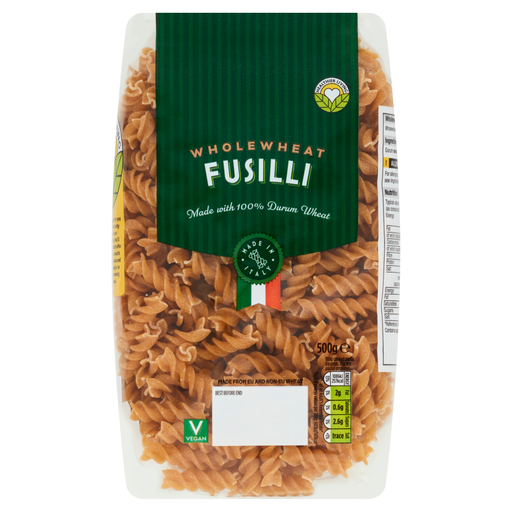
Morrisons Wholewheat Fusilli 500g
A wholewheat pasta base for meals where fibre is a priority and hob cooking is manageable.
The 500g pack contains fusilli. Allow for cooking and draining, and check the current packet before comparing its fibre figure with dry-pasta labels. As wheat pasta, it is not a gluten-free choice.
View on Joybuy
 No image available
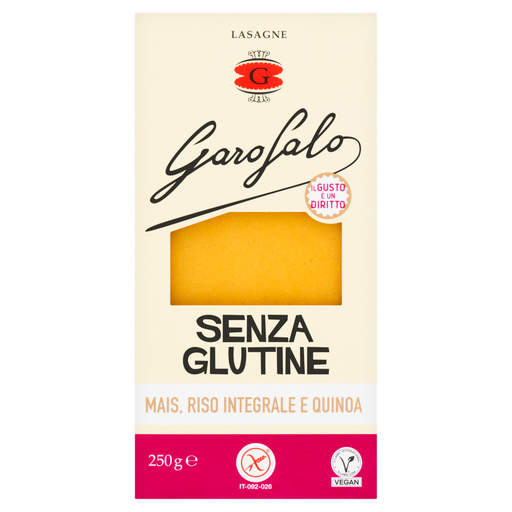
Garofalo Gluten Free Lasagne 250g
A lasagne option labelled gluten free for a shopper planning a layered pasta meal.
The pack size is 250g. Where gluten avoidance is medically necessary, check the physical packet for ingredients and appropriate assurance; check its cooking directions when planning the meal.
View on Joybuy
 No image available
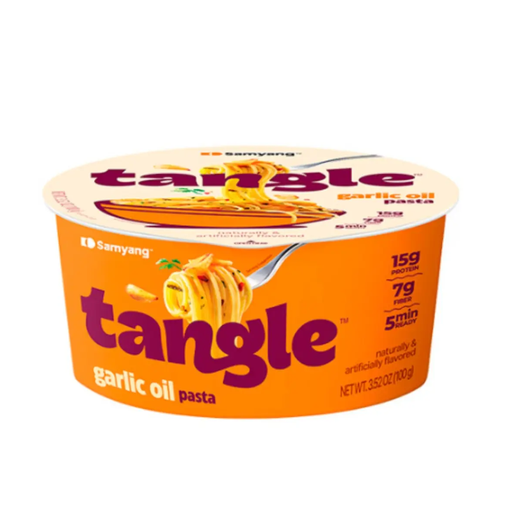
Samyang Tangle Garlic Oil Protein Pasta Big Bowl (Vegan) 100g
A flavoured, single-meal pasta format to consider when fewer cooking steps matter more than keeping plain dried pasta.
The 100g Big Bowl is labelled vegan. Follow its preparation directions and check the current packet’s salt and allergen information; it is not a substitute for plain pasta in recipes.
View on Joybuy
Frequently asked questions
Should I always choose wholewheat pasta for retirement meals?
Choose wholewheat when a higher-fibre pasta base suits the person eating it; the NHS identifies it as a wholegrain option. If someone has a poor appetite or is losing weight unintentionally, seek individual advice about their overall food intake rather than making fibre the only deciding factor.
What can I add to cupboard pasta for a meal?
Use pasta as the starchy base and add a suitable protein food and vegetables. The NHS lists foods such as beans, fish and eggs as protein choices; for someone with a small appetite, follow any individual advice on portions and additions.
What should I check when buying gluten-free pasta?
Check the current packet’s ingredients and allergen wording, not just its online title. If the product carries Coeliac UK’s Crossed Grain Trademark, Coeliac UK says its certification includes additional checks on gluten analysis and manufacturing.
How should I store dried pasta?
Follow the packet’s instructions; Marks & Spencer, for example, directs shoppers to keep its Wholewheat Spaghetti in a cool, dry place. If you decant pasta, retain its cooking directions, allergen details and date information.


