Wholewheat pasta shoppers
If you want to change the pasta in a meal, look for wholewheat on the pasta pack. The NHS names wholewheat pasta as a higher-fibre choice; the sauce is a separate purchase.


If you want a wholewheat option for a separate pasta meal, buy wholewheat pasta and choose its sauce separately: the wholewheat description applies to the pasta, not the sauce. The NHS identifies wholewheat pasta as a higher-fibre starchy-food choice. If you are shopping for a full English breakfast, decide which breakfast ingredients you need rather than assuming a pasta sauce is a substitute for a breakfast condiment.
If you want to change the pasta in a meal, look for wholewheat on the pasta pack. The NHS names wholewheat pasta as a higher-fibre choice; the sauce is a separate purchase.
If your shopping list covers a full English breakfast and another meal, decide which ingredients belong to each dish before choosing a pasta sauce.
If wheat or sauce ingredients affect your choice, read the current pack. Wholewheat pasta contains wheat, while sauce recipes and allergen statements vary by product.
Settle whether you are buying for breakfast or a separate pasta meal, then check the pasta and sauce as distinct products.
| Concern | What to check | Who this matters to |
|---|---|---|
| Finding wholewheat pasta | Look for wholewheat or durum wholewheat semolina on the pasta pack; choose the sauce separately. | If I want to change the pasta in my meal, I need to identify the wholewheat pack rather than search for a special sauce. About 36% of consumers would put that distinction first. |
| Planning the meals | Decide whether the sauce is for a separate pasta dish and choose its flavour accordingly. | When my shop includes breakfast and dinner, I need to keep the two ingredient lists clear. Around 29% of consumers would make that their primary concern. |
| Dietary suitability | Read the current pasta and sauce ingredients and allergen statements, particularly for wheat and milk. | If an ingredient must be avoided, I need to check the exact packs before considering flavour. About 21% of consumers would prioritise that label check. |
| Pack and preparation | Compare pack size, stated servings and instructions for using sauce after opening. | If I am making a smaller pasta meal, I want a pack I can use as directed without leaving too much open sauce. Roughly 14% of consumers would put that practical fit first. |
That search can distract from the intended change to the pasta. The NHS identifies wholewheat pasta, rather than pasta sauce, as a higher-fibre starchy-food choice.
Put wholewheat pasta on your list as its own item, then choose a sauce by its recipe and label.
Tomato-based recipes can differ in their ingredients and nutrition information, so a familiar flavour name is not enough to compare packs.
Compare salt per 100g and the serving you intend to use on the shortlisted products.
A dietary label does not replace the allergen statement. Marks & Spencer lists a tomato-and-basil sauce as vegan while warning that it is not suitable for people with a milk allergy.
Read the ingredients and allergen information on the current pack if an allergy affects your choice.
A small stir-in pack and a larger jar may suit different meal plans. Once opened, the sauce must be handled according to that product's instructions.
Check stated servings and post-opening directions against the meals you plan to make.
An opened pack you cannot use within its stated storage period may go to waste.
Tesco Groceries lists several Dolmio Bolognese-style pasta sauces, including original and smooth tomato variants.
Sainsbury's lists Napolina wholewheat spaghetti, while Tesco Groceries lists a separate Napolina sundried-tomato-and-basil stir-in sauce.
Tesco Groceries lists wholewheat penne and separately lists tomato-based and mascarpone pasta sauces.
Sainsbury's lists tomato-based pasta sauces with different vegetables, including mushroom-and-basil and chunky-vegetable recipes.
Marks & Spencer lists both tomato-and-basil and tomato-and-mascarpone pasta sauces.
These are sauces for a separate pasta meal, with creamy, chilli, Bolognese-style and tomato-and-basil flavours. Buy wholewheat pasta separately if that is the change you want to make.
 No image available
For a pasta dish where you want tomato with mascarpone and Grana Padano. Check the current pack's milk and egg allergen information and its directions for use after opening.
 No image available
For a separate pasta meal when tomato and chilli are the flavours you want. The pack is 400g; check its current allergen and post-opening instructions before choosing it.
 No image available
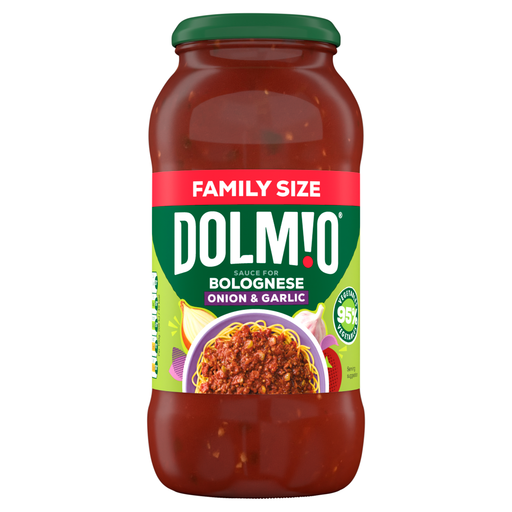
For a Bolognese-style pasta meal when you want an onion-and-garlic tomato sauce. The pack is 675g; check its serving and cooking directions when planning the meal.
 No image available
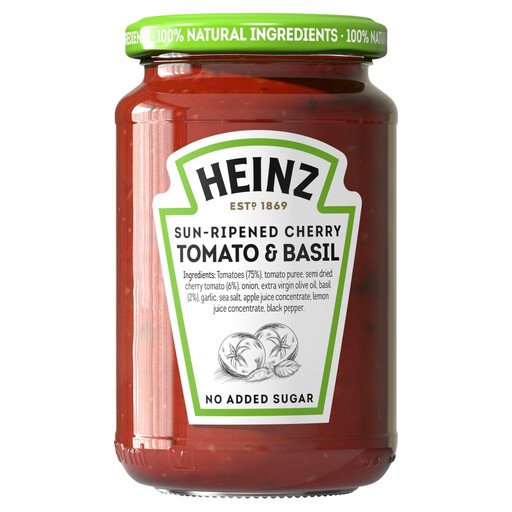
For a separate pasta meal when cherry tomato and basil suit the dish. The pack is 350g; follow its current instructions for storing and using any sauce left after opening.
 No image available
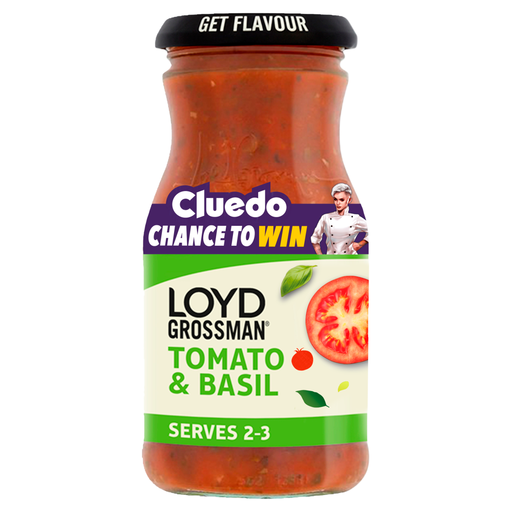
For a pasta dish when you want a tomato-and-basil sauce. The pack is 350g; check the current allergen statement and storage directions if either affects your choice.
Choose the two components separately if you want a wholewheat pasta meal. Tesco Groceries identifies its wholewheat penne as pasta made from durum wholewheat semolina, while sauce listings describe recipes such as tomato with herbs, vegetables or cheese.
Not if you need to avoid wheat or gluten: the wholewheat pasta examples from Tesco Groceries and Napolina contain wheat semolina. Look for a pasta specifically labelled gluten-free and confirm its current allergen information.
No. Marks & Spencer labels its tomato-and-basil pasta sauce vegan but warns that it is not suitable for people with a milk allergy. Check the allergen statement on the exact product rather than relying on the vegan label alone.
Follow the directions on the exact pack, including its refrigeration and use-after-opening instructions. They can differ between sauce recipes, so check them when choosing a pack size for your planned meals.