Batch-lunch planners
If you prepare several lunches at once, a ready-to-use sauce can simplify one part of the cooking. Plan the pasta portions separately and check how you will store each prepared lunch.


Choose the wholewheat pasta and sauce separately: the pasta determines whether the meal meets your wholewheat preference, while the sauce determines much of its flavour and preparation. For a packed lunch, check the pasta’s ingredients, allergens and cooking time alongside the sauce’s ingredients and the instructions for storing the finished meal.
If you prepare several lunches at once, a ready-to-use sauce can simplify one part of the cooking. Plan the pasta portions separately and check how you will store each prepared lunch.
If wholewheat pasta is your priority, select it by its ingredient label rather than by the sauce name. The NHS identifies wholewheat pasta as a wholegrain option; compare fibre figures only when the labels use the same cooked or dry basis.
If you compare branded and supermarket own-label products, read the pasta and sauce labels independently. Check ingredients, stated portion sizes and allergen information on the exact products you intend to use.
Start with the wholewheat pasta, then choose a sauce that fits your flavour preference and preparation routine. The groups below reflect which consideration consumers might put first when assembling this particular office lunch.
| Concern | What to check | Who this matters to |
|---|---|---|
| Wholewheat pasta and fibre | Check the pasta ingredients for wholewheat or wholegrain wheat. Compare fibre per 100g only on the same cooked or dry basis. | If wholewheat is the reason for making this lunch, I need to identify the pasta that supplies it rather than rely on the sauce. About 40% of consumers would put the wholewheat pasta choice first. |
| Lunch preparation | Check how the sauce is prepared and how long the chosen pasta needs to cook. | When I prepare lunches before work, I want steps that fit the time I have available. Preparing the meal with less effort would be the main concern for about 30% of consumers. |
| Ingredients and dietary fit | Read the exact pasta and sauce ingredient and allergen labels; check any vegetarian claim against everything added to the meal. | If I am packing lunch for someone with a dietary requirement, the labels on both components matter. About 30% of consumers would make ingredient and dietary fit their primary concern. |
A tomato sauce and wholewheat pasta are separately labelled products. Buying the sauce alone does not establish which pasta will go into the lunch.
Choose the pasta by its ingredients, then select the sauce for its flavour and preparation instructions.
The wholewheat pasta examples listed by Asda, Sainsbury’s and M&S contain wheat. Wholewheat is not a substitute for a product selected to meet a wheat-free or gluten-free requirement.
Check the exact pack’s ingredients and allergen statement before preparing a meal for someone who must avoid wheat or gluten.
Cooking changes pasta’s water content, so a per-100g cooked figure and a per-100g dry figure do not describe the same amount of pasta.
Use figures stated on the same preparation basis when comparing packs.
A ready-to-use Bolognese-style sauce option to pair with separately chosen wholewheat pasta.
A wholewheat spaghetti option to combine with a sauce chosen separately.
An own-label wholewheat pasta range with several shapes for sauce-based lunches.
An own-label wholewheat penne option for pairing with a separately selected sauce.
An own-label wholewheat spaghetti option for a pasta-and-sauce lunch.
A range listing wholewheat pasta alongside other pasta varieties and jarred sauces.
These sauces and pestos can provide the sauce component of a pasta lunch. Choose and check wholewheat pasta separately, then follow the exact products’ instructions when preparing and storing your lunch.
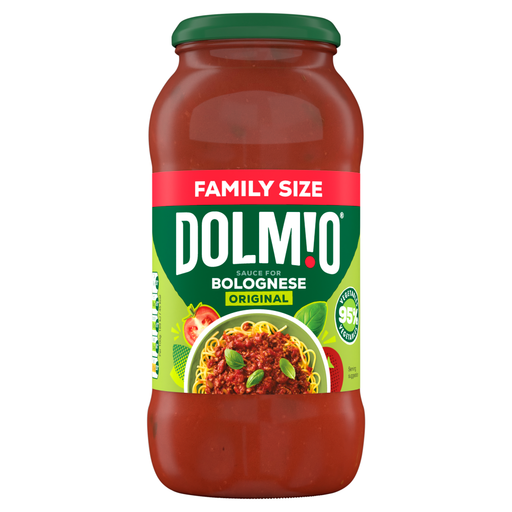 Image unavailable
A Bolognese-style sauce for pairing with pasta; this 675g jar is the sauce component only. Choose your wholewheat pasta separately and check the jar’s storage instructions when planning lunches.
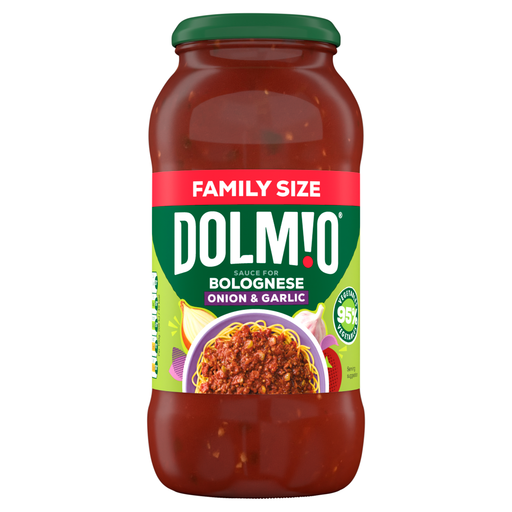 Image unavailable
An onion-and-garlic Bolognese-style sauce for a pasta lunch. The jar contains 675g of sauce, not wholewheat pasta; check the sauce ingredients and select the pasta separately.
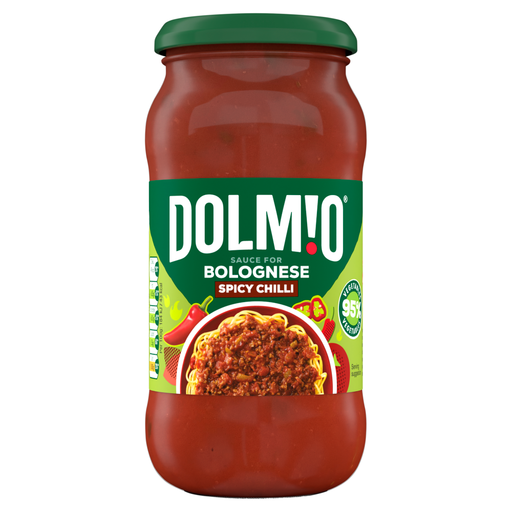 Image unavailable
A chilli-flavoured sauce for someone who wants that flavour with their pasta lunch. This is a 450g sauce jar; choose wholewheat pasta separately and check the jar’s preparation instructions.
 Image unavailable
A chilli harissa pesto option for stirring through separately cooked pasta. The jar contains 165g of pesto, not pasta; check its ingredient and allergen label before packing lunch.
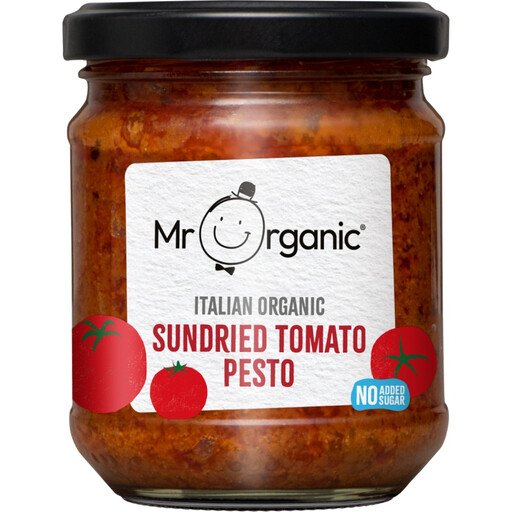 Image unavailable
A sundried tomato pesto to pair with a separately chosen wholewheat pasta. This 190g jar supplies the pesto only; read its allergen and opened-jar storage instructions on the exact product.
For this lunch, wholewheat describes the pasta, not the sauce. Choose a pasta labelled as wholewheat and a separately labelled sauce that meets your flavour and ingredient preferences.
Do not assume wholewheat pasta meets a wheat-free or gluten-free requirement: the wholewheat examples listed by Asda, Sainsbury’s and M&S contain wheat. Check the exact product’s ingredients and allergen statement when selecting an alternative.
Tesco lists the researched Dolmio Original Bolognese sauce as suitable for vegetarians, but the finished lunch also depends on what you add. Sainsbury’s preparation suggestion includes mince, so check that every addition suits the person eating it.
Compare figures on the same cooked or dry basis. Pasta absorbs water during cooking, so a per-100g cooked figure cannot be compared directly with a per-100g dry figure.
Follow the exact products’ storage and reheating instructions, and check what refrigeration and reheating facilities you can use at work. Do not assume instructions for an unopened sauce jar also describe how to handle the prepared pasta lunch.