
24/7 Customer Support

Free returns

Same-day & Next-day Delivery

Quality Guaranteed

Unlock Your Welcome Offers: FREE Delivery | Up to 80% OFF | Free 30-day JoyPlus trial
Download the APP
Finding the right noodle can make all the difference between a good home-cooked meal and a great one. If you've ever stood in an aisle staring at a wall of packets, wondering which wide Asian noodles are right for your Pad See Ew, hot pot or a comforting noodle soup, you're not alone. The variety in thickness, texture and ingredients can be daunting.
This guide is designed to help you navigate the options. As the Joybuy Product Recommendation Officer, my role is to provide clear, practical advice to help you select the right Asian pantry staples for your kitchen, ensuring your next dish is as authentic and delicious as you envision. We'll explore what to look for and highlight a few standout options for specific dishes.
Before we look at specific products, here are a few key points to consider when making your selection.
Here are our recommendations for wide Asian noodles, selected to suit some of the most popular dishes cooked in UK homes.
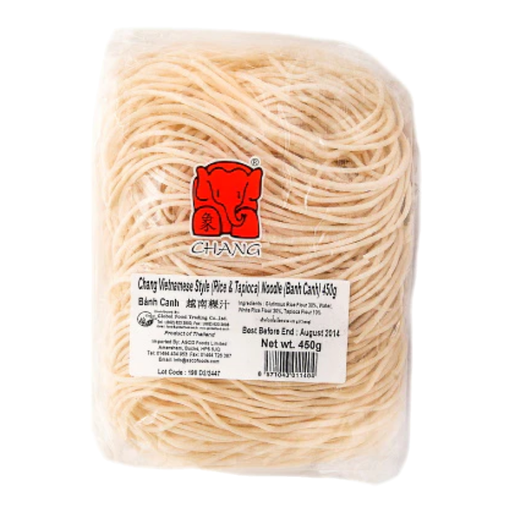
Why It Stands Out: These are not your typical rice noodles. Chang's Vietnamese Banh Canh are thick, round noodles made from a blend of rice and tapioca flour. This combination creates a distinctively soft yet satisfyingly chewy texture that is the hallmark of the traditional Vietnamese soup they are named after. They absorb the flavour of a rich broth beautifully without becoming mushy.
Pros:
Who is it for? Home cooks looking to recreate authentic Vietnamese dishes like Banh Canh, or anyone seeking a substantial, slurp-worthy noodle for rich, brothy meals.
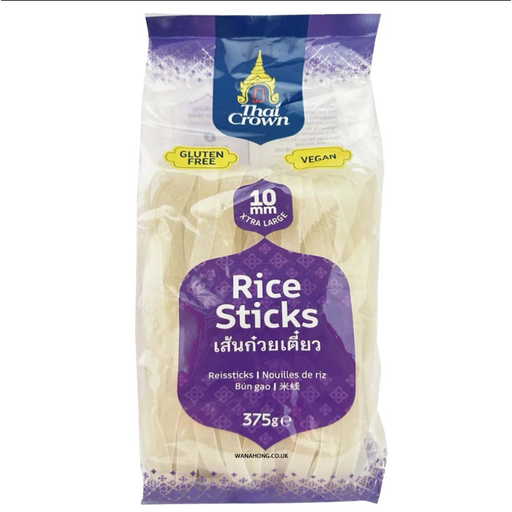
Why It Stands Out: When a recipe calls for Thai rice noodles, this is often what is meant. These extra-wide flat rice noodles (10mm) are the go-to choice for classic dishes like Pad See Ew and Drunken Noodles (Pad Kee Mao). Made simply from rice flour and water, they have a firm texture that holds up well to the high heat of a wok, and their broad surface is perfect for clinging to dark soy sauce and other seasonings.
Pros:
Who is it for? Anyone passionate about cooking authentic Thai food. If you're aiming to make a perfect Pad See Ew or a rich noodle curry, these are an excellent choice.
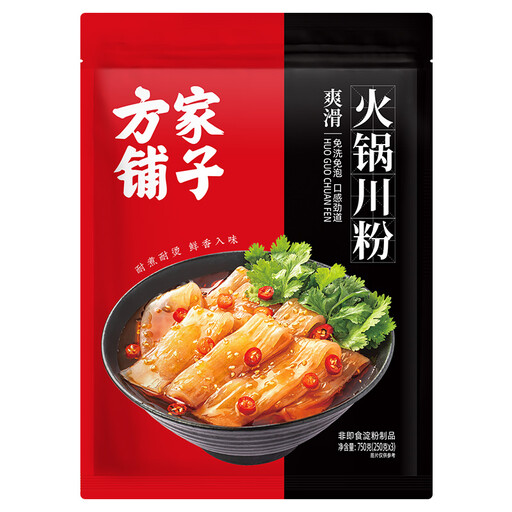
Why It Stands Out: These thick Asian noodles are made from sweet potato starch, giving them a wonderfully slippery and chewy quality that is essential for a Sichuan hot pot experience. Unlike noodles that can disintegrate in simmering broth, these Sichuan noodles become translucent and springy, absorbing the spicy, numbing flavours of the soup base without falling apart. The convenient multi-pack contains three 250g portions, ideal for multiple meals or sharing with friends.
Pros:
Who is it for? This is a must-have for hot pot enthusiasts. If you're planning a gathering around a bubbling pot of broth, these noodles will complete the experience.
Our recommendations cover some of the most popular uses for wide noodles, but the world of Asian noodles is vast. If you're searching for a different thickness, shape or ingredient profile, there are many other options to discover.
To find the perfect foundation for your next culinary adventure, we invite you to browse our full collection of white noodles.
What are the best wide Asian noodles for stir fry? For stir-frying, you need a noodle that is sturdy and won't turn to mush. Look for flat rice noodles, often labelled as "rice sticks" or "Pad Thai" noodles, in a medium to wide thickness (5mm to 10mm). Their robust structure is perfect for dishes like Pad See Ew, as they hold their shape and absorb sauce well during high-heat cooking.
Are wide Asian noodles gluten-free? It depends entirely on the ingredients. Many wide Asian noodles, such as those made from 100% rice flour (like the Thai Crown noodles) or sweet potato starch (like the Fang Jia Puzi hot pot noodles), are naturally gluten-free. However, many other varieties, including some udon and knife-cut noodles, are wheat-based. Always check the ingredient list on the packaging to be certain.
How do I prevent wide rice noodles from sticking together? This is a common challenge. After boiling the noodles until they are al dente (still with a slight bite), immediately drain them and rinse thoroughly under cold running water. This washes away excess starch, which is the primary cause of stickiness. After rinsing, toss them with a small amount of neutral oil (like vegetable or rapeseed oil) to keep the strands separated until you're ready to use them in your stir-fry or soup.