
24/7 Customer Support

Free returns

Same-day & Next-day Delivery

Quality Guaranteed

Unlock Your Welcome Offers: FREE Delivery | Up to 80% OFF | Free 30-day JoyPlus trial
Download the APP
A wide brim sun hat can make a noticeable difference on a sunny walk, fishing trip or beach holiday, but not every hat marketed for sun protection is equally practical. A brim may look generous in product images yet provide limited side coverage, while a “waterproof” fabric may be uncomfortable in warm weather if it lacks ventilation.
For UK shoppers, the right choice should balance UV protection, coverage, breathability, fit and packability. Here are the common pitfalls to avoid before buying.
Brim width is only one part of the design. A shallow brim can leave the ears and neck exposed, while an oversized brim may obstruct your view during walking or fishing. Check the stated measurement in centimetres and consider whether it covers the face, ears and upper neck when worn.
Some designs also add a sun hat with neck flap, which is useful when you spend long periods facing open water or walking in exposed areas.
A listing may describe a hat as waterproof, but this does not necessarily make it suitable for prolonged heavy rain. Nylon or polyester fabric can help protect against light showers, but stitching, seams and the brim structure also affect performance.
Treat a waterproof sun hat as useful weather-resistant outdoor headwear unless the product information clearly specifies more extensive rain protection.
A hat that fits loosely may blow away on a coastal walk, golf course or boat. Conversely, a tight fixed size can become uncomfortable after several hours. Look for a drawcord, buckle, Velcro fastening or detachable chin strap.
Care instructions matter too. Some hats can be machine washed, while others should be hand washed only. Incorrect cleaning may affect the shape, lining or water-resistant finish.
A UPF 50+ sun hat is designed to provide a high level of ultraviolet protection through the fabric, but coverage still depends on the brim and how the hat sits. A wide brim that extends around the sides can shade more of the face and neck than a narrow front visor.
The term UV protection hat refers to the intended function, not a substitute for other sun-safety measures. Sunglasses, sunscreen and shade remain useful when outdoors for extended periods.
For general gardening, travel and walking, a brim around 7–9 cm can provide a practical balance between shade and visibility. Larger designs may suit beach days or long periods in direct sunlight. A neck flap can offer additional coverage for fishing, hiking or kayaking, and some can be folded away when not required.
If you wear your hair in a ponytail, a ponytail sun hat with a dedicated opening may sit more comfortably than a conventional bucket design.
A breathable outdoor hat should include mesh panels, a ventilated crown or a moisture-managing sweatband. These features can improve airflow during gardening, hiking and other active use.
Check the head measurement rather than relying on “one size”. For example, some adjustable styles cover 56–61 cm, while other designs offer several size ranges up to 63–66 cm. A lightweight, packable sun hat is convenient for luggage, but make sure the brim can recover its shape after folding.
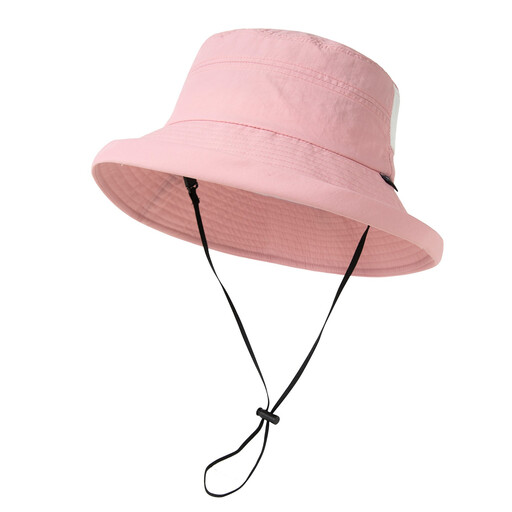
Why This Fits Their Persona: A practical option for UK holidays, gardening, casual walks and beach days, particularly for women who want a ponytail-friendly design without carrying a heavier hat.
The product information specifies UPF 50+, a waterproof outer layer, mesh lining, adjustable buckle and two head-size ranges rather than relying on a vague “one size” description.
Ponytail opening, 63.7 g listed weight, foldable construction and 30°C wash care instructions.
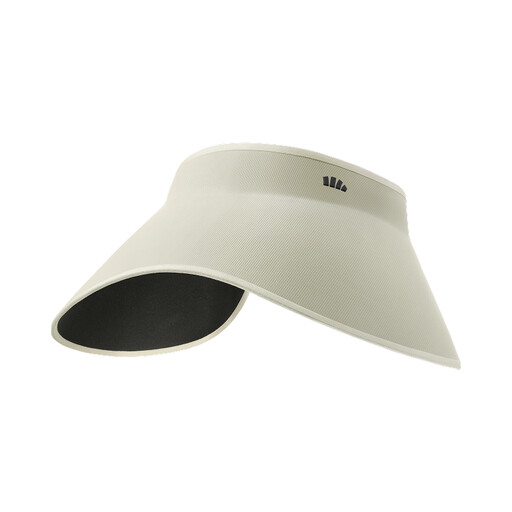
Why This Fits Their Persona: Suitable for shoppers prioritising a structured, open-top design for golf, travel, outdoor events and warm-weather walks.
Its listed 14 cm wrap-around brim gives shoppers a specific coverage measurement, while the contoured headband is designed to help the hat remain secure.
Memory soft-bone support for storage, one-piece construction and a listed weight of 4.48 oz.
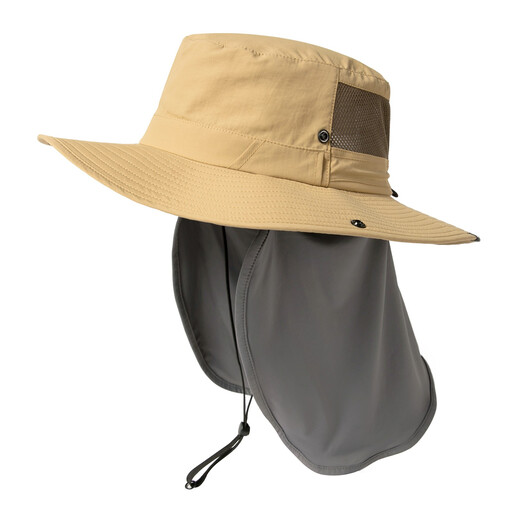
Why This Fits Their Persona: Designed for men and other outdoor users spending long periods fishing, kayaking, hiking, camping or gardening in changeable weather.
The 2-in-1 neck flap can be extended for coverage or folded into the cap, while a drawstring allows adjustment for windy conditions.
UPF 50+ and waterproof protection are listed, with breathable mesh lining, foldable construction and a 70 g listed weight.
The most useful distinction is usually fit and coverage, rather than the gender label. A women’s sun hat may include a ponytail opening and smaller size options, while a men’s sun hat may offer broader size ranges or a neck flap. Measure around the head where the hat will sit, then select an adjustable model if you are between sizes.
For travel, a foldable summer hat that can be packed without a rigid crown may be more convenient. For fishing or hiking, prioritise a chin strap, sunglass lock and neck coverage. For everyday wear, a lighter brim and breathable lining may feel less cumbersome.
We have compiled a complete, real-time list of products that fully satisfy these strict selection criteria and UK safety regulations.
UPF 50+ is a useful fabric rating to look for, but it does not cover exposed skin outside the hat’s design. Brim size, neck coverage and how securely the hat fits also affect practical protection.
Follow the product label. Some models are machine washable at 30°C, while others require hand washing only. Avoid bleach, ironing or dry cleaning unless specifically permitted, and allow the hat to dry according to the manufacturer’s instructions.
Many packable sun hats are designed to fold or roll for travel. Before packing, check whether the brim contains shaping wire or a support structure and reshape it after unpacking. A foldable design is convenient, but repeated compression may still affect the brim over time.