
24/7 Customer Support

Free returns

Same-day & Next-day Delivery

Quality Guaranteed

Unlock Your Welcome Offers: FREE Delivery | Up to 80% OFF | Free 30-day JoyPlus trial
Download the APP
From the satisfying chew of a Sichuan hot pot noodle to the slurp-worthy breadth of a Pad See Ew, wide noodles have become a staple for UK home cooks exploring authentic Asian cuisine. Yet, buying them online can be a gamble. What arrives might be a packet of disappointment—noodles that disintegrate in broth or instant kits with lacklustre flavour.
As the Joybuy Product Recommendation Officer, my role is to help you navigate the options. We will look past the marketing and focus on what truly matters. This guide will break down the common pitfalls and clarify the essential factors to check, ensuring your next bowl of broad noodles is exactly what you hoped for.
Many shoppers find that the noodles they buy don't live up to expectations. This is often due to a few recurring issues that are easy to avoid once you know what to look for.
To avoid these traps, focus on two core parameters: the noodle's material and its format. Understanding these will empower you to select the perfect flat Asian noodles for any recipe.
The ingredient list is your most reliable guide to a noodle's final texture and behaviour during cooking.
Your choice here depends on convenience versus culinary control.
Instead of a generic list, we have matched our recommendations to specific needs and cooking styles. This ensures you get a product that truly fits your lifestyle.
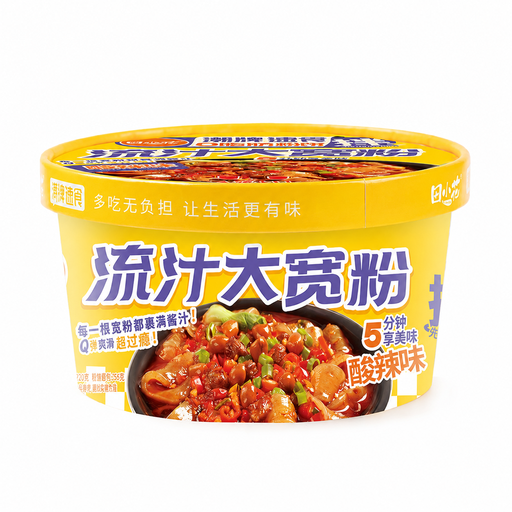
Why This Fits Their Persona: This all-in-one bowl is the definition of convenience. It requires no hob, just boiling water, making it perfect for a quick office lunch or a simple student dinner. The potato noodles provide a satisfyingly chewy texture for a fast meal.
It sidesteps the "flavour disappointment" by including separate packets for rich vinegar and spicy red oil, delivering a genuine hot and sour profile. The "preparation puzzle" is solved with simple, clear instructions for soaking and draining.
The primary advantage is its speed and simplicity. The chewy potato starch noodles offer a more interesting texture than many standard instant wheat noodles.
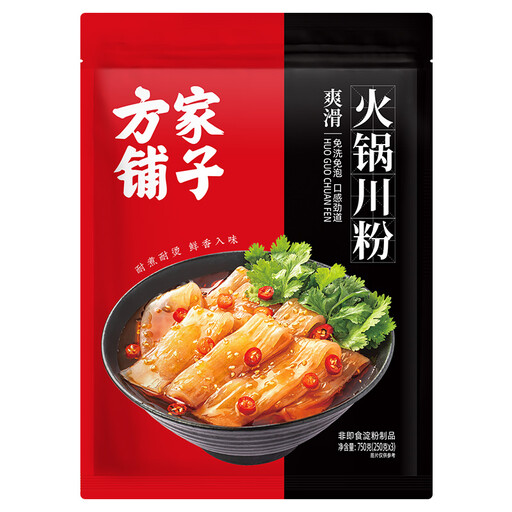
Why This Fits Their Persona: For anyone serious about recreating an authentic hot pot experience at home, these noodles are essential. They are a pantry staple, not a quick meal, providing the perfect base ingredient for communal dining or elaborate weekend cooking projects.
This product directly solves the "texture trap." Made from sweet potato starch, these noodles are specifically engineered to be boiled in a hot pot. They become wonderfully chewy and slippery, holding their integrity without turning to mush in the broth.
The authentic texture is the main draw. The convenient multi-pack format (3 x 250g) is also practical, allowing for easy portioning for multiple meals or for hosting guests.

Why This Fits Their Persona: This kit is for someone who wants to try a specific and iconic Sichuan street food flavour—creamy, nutty sesame paste (Ma Jiang) noodles—without the fuss. It's an easy entry point into regional Chinese flavours beyond the usual.
It tackles the "flavour disappointment" head-on. The inclusion of a generous sesame paste sachet provides a rich, creamy and nutty flavour that is impossible to replicate with a simple powder, offering a genuinely authentic taste experience.
The standout feature is the rich and complex sesame sauce. The non-fried wheat noodles also provide a superior chewy texture that pairs perfectly with the thick sauce.
We have compiled a complete, real-time list of products that fully satisfy these strict selection criteria and UK safety regulations.
1. How do I prevent wide noodles from sticking together when I cook them? The key is to use a large pot with plenty of rapidly boiling water. This gives the noodles space to move. Stir them gently with chopsticks or a fork immediately after adding them to the pot to separate the strands. For stir-frying, it is also a good practice to rinse the cooked noodles under cold water to remove excess starch, which is a primary cause of stickiness.
2. What is the main difference between wide rice noodles and wide wheat noodles? The primary difference lies in the core ingredient, which dictates their texture and use. Wide rice noodles (made from rice flour) are softer, smoother and more delicate. They are common in Thai and Vietnamese dishes and are often soaked rather than boiled. Chinese wide noodles made from wheat flour are generally firmer, chewier and more elastic, making them robust enough for vigorous stir-frying and hearty soups.
3. Can I use hot pot noodles for a stir-fry? It is generally not recommended. Most hot pot noodles are made from potato or sweet potato starch. Their defining characteristic is a slippery, gelatinous and chewy texture when boiled. In the high, dry heat of a wok, this texture can become gummy and sticky, and the noodles may not hold up well. It is better to use a purpose-made chewy noodle for stir fry, which is typically wheat-based.