Choose the print size around the work pupils will do most often: a compact 10 × 15 cm printer for individual activity photos, an A4 photo printer for regular lesson resources, or an A3+ printer when large wildlife displays are a recurring goal. In a small classroom, allow for paper-loading space, compatible supplies and the school’s permitted device connections as well as the printer itself.
Who is printing the photos?
Teachers making regular A4 wildlife resources
For lesson packs, labelled displays and pupil work, this group needs a practical way to print repeatedly at A4 and photo sizes. Epson lists A4 photo printing and separate paper-handling options for its ET-8500; staff should still check that the supported media fit their planned resources.
Teachers creating large nature displays
When pupils need to examine wildlife images at display size, A3+ becomes relevant. Canon specifies A3+ printing for the PIXMA PRO-200S and imagePROGRAF PRO-310, which use different ink systems and call for more permanent workspace than a compact printer.
Teachers needing pupil-ready activity prints
Individual 10 × 15 cm photos can serve image-sequencing activities or small handouts without taking over a classroom desk. Canon says its SELPHY CP1500 makes a postcard-size print in approximately 41 seconds; its small format will not serve an A4 resource or A3+ display.
What matters when choosing?
Start with the largest print size the class will use regularly, then check how often staff will print and where the machine can stay. A specialist ink system is worth considering only if the photography work calls for its particular paper and output options.
| Concern |
What to check |
Who this matters to |
| Image size and wildlife detail |
Check the maximum supported photo-paper size and whether there is room to load larger sheets. |
If pupils need to study an enlarged image or help make a wall display, print area comes before a compact footprint. Around 36% of consumers put display size and visible detail first. |
| Practicality of repeat printing |
Check compatible supplies, paper handling and the conditions behind any stated photo yield. |
For recurring lesson packs, I would want staff to manage repeated prints without constant changes of paper or supplies. Around 29% of consumers place repeat-print practicality first. |
| Quick activity prints |
Check the actual print dimensions and whether the required paper-and-cartridge packs are suitable for the planned activities. |
When each pupil needs a small wildlife image during an activity, prompt distribution matters more than enlargement. Around 21% of consumers prioritise pupil-ready prints. |
| Specialist photo output |
Check the ink system, compatible photographic media and the space needed for a fixed setup. |
A photography project may call for more control over its A3+ presentation, even if that means managing more supplies. Around 14% of consumers make specialist output their primary concern. |
Buying pitfalls
-
Buying for small prints when the lessons need larger ones
A postcard-size printer cannot be made into an A4 or A3+ printer by changing a setting. Canon’s SELPHY CP1500 serves small photos, while Epson’s ET-8500 supports A4 and Canon’s PRO-200S and PRO-310 support A3+.
Write down the largest size needed for recurring lessons or displays before choosing a format.
Otherwise, staff may need to arrange larger prints elsewhere or replace a printer that cannot produce the required size.
-
Treating a stated photo yield as a classroom guarantee
Epson’s ET-8500 yield information depends on the manufacturer’s specified ink and test conditions. Actual classroom use can differ with image coverage, paper, settings and maintenance.
Compare yield figures only when their test conditions are comparable, and plan supplies around the print sizes and frequency the class expects to use.
-
Measuring the printer but not its paper-loading space
A printer needs usable clearance as well as a place to stand. This matters particularly when loading A3+ sheets or using the rear and straight-feed options Epson lists for the ET-8500.
Measure the proposed surface and loading area, allow for safe cable routing and follow the school’s equipment risk-assessment process.
A poorly placed printer can obstruct a walkway or leave a paper feed difficult to use.
-
Assuming every wireless connection suits school devices
Wi-Fi, Bluetooth and app-led printing are different workflows. A connection shown in a printer specification does not establish that it is permitted on the devices staff intend to use.
Confirm the approved staff devices and connection method with the school before choosing a printer that depends on an app or wireless pairing.
Brands to consider for these print formats
Canon
Canon’s relevant lines span postcard-size SELPHY prints and A3+ PIXMA PRO-200S and imagePROGRAF PRO-310 photo printing.
- Canon lists approximately 41 seconds for a postcard-size SELPHY CP1500 print. Its PRO-200S uses eight dye inks, while the PRO-310 uses individual pigment inks.
- The larger-format models need room for the printer and its media. Choose between the lines by recurring print size and workflow, not by treating Canon’s colour or longevity descriptions as independent comparisons.
Epson
Epson’s ET-8500 is an A4 photo-printing route for classrooms planning repeated output at A4 and smaller photo sizes.
- Epson specifies six-colour Claria ET Premium ink, A4 and photo-size paper handling, and feeds for specialist media on the ET-8500.
- It needs a more permanent location than a compact photo printer. Epson’s photo-yield figures depend on its test conditions and should not be assumed to match classroom use.
HP
HP’s Sprocket Studio is a compact dye-sublimation option for 10 × 15 cm activity photos rather than A4 or A3+ displays.
- HP’s support specifications list 10 × 15 cm media and Bluetooth connectivity for the Sprocket Studio.
- Its fixed small-print format and mobile-led workflow need to fit both the lesson and the school’s device rules.
Joybuy product choices for classroom photo printing
These choices include small-format printers for individual wildlife-photo activities and an Epson EcoTank model to consider for larger work. Check each model’s supported print size, supplies and device workflow against the lessons planned; the pocket-size options are not substitutes for display prints.
 No image available
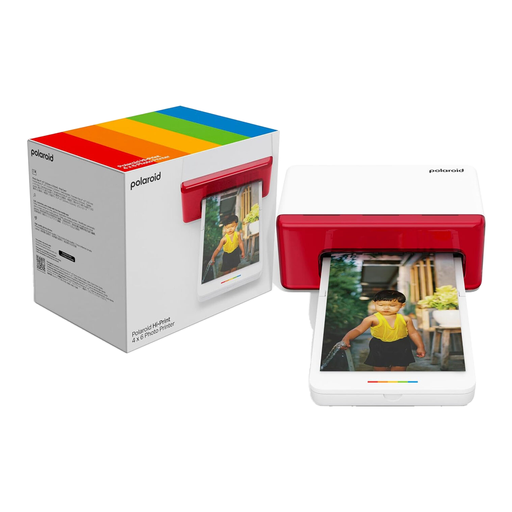
Polaroid Hi-Print Bluetooth 4x6 Photo Printer — White
Consider this for individual wildlife photos when a 4 × 6 in print is large enough for the activity. Its title specifies Bluetooth; confirm that the school permits the intended device connection and check the compatible printing supplies before buying. This format will not produce A4 or A3+ displays.
View on Joybuy
 No image available
Epson EcoTank ET-18100 Printer
For a classroom planning larger wildlife images, check that the ET-18100 supports the exact paper size and media the display requires. Measure its intended position and paper-loading clearance, and confirm suitable replacement ink and photo paper for the planned printing routine.
View on Joybuy
 No image available
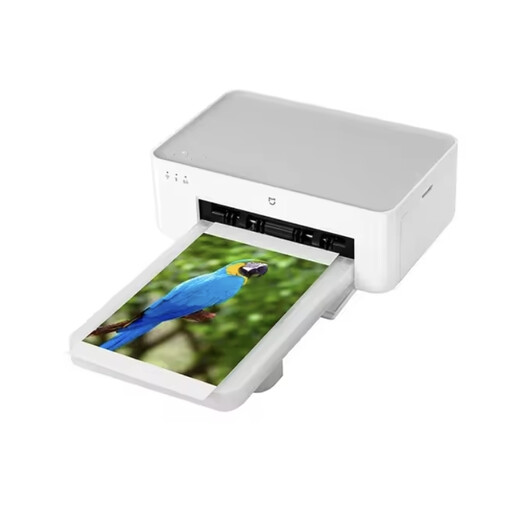
Xiaomi Portable Photo Printer 1S
This portable model is worth considering for very small, individual wildlife-photo activities rather than close study or a wall display. Confirm its print dimensions, compatible paper and whether the required device workflow is permitted at school.
View on Joybuy
 No image available
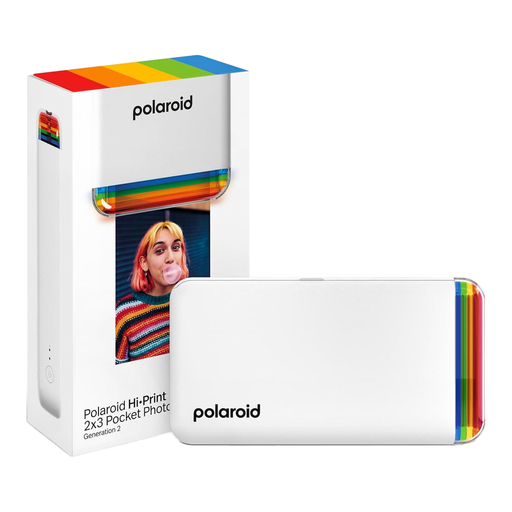
Polaroid Hi-Print 2x3 Printer Gen 2 — White
Its 2 × 3 in format may suit small individual wildlife-photo activities where pupils do not need to inspect fine detail. It cannot fill an A4 resource or A3+ display; check compatible supplies and the intended school-device connection before choosing it.
View on Joybuy
Common questions
Should a small classroom choose 10 × 15 cm, A4 or A3+ prints?
Choose the size the class needs regularly: 10 × 15 cm for individual activity photos, A4 for lesson resources, or A3+ for large displays. Canon and Epson specify models in those different formats, but a printer limited to small photos cannot produce the larger output later.
What should staff check before using a new photo printer at school?
Follow the school’s equipment approval and risk-assessment arrangements before placing and using it. GOV.UK guidance addresses schools’ health-and-safety responsibilities, while the Health and Safety Executive advises keeping electrical equipment in good condition and using risk assessment to determine inspection needs; also plan safe positioning and cable routing.
How should a classroom plan for printer supplies?
Match the exact model’s compatible ink, paper or combined paper-and-cartridge packs to the sizes and number of photos staff expect to print. Check what comes with the printer and read any manufacturer yield figure alongside its test conditions rather than assuming it predicts classroom output.
Does a photo printer change a classroom’s ventilation arrangements?
Keep the printer within the school’s normal room-ventilation and risk-management arrangements, and follow its operating instructions. Department for Education guidance addresses ventilation in education settings; it should not be read as a printer-specific assessment of any particular model.


