
24/7 Customer Support

Free returns

Same-day & Next-day Delivery

Quality Guaranteed

Unlock Your Welcome Offers: FREE Delivery | Up to 80% OFF | Free 30-day JoyPlus trial
Download the APP
A suitable window cleaner can make windows, mirrors and shower screens noticeably easier to maintain. However, product descriptions often focus on phrases such as “diamond shine” or “professional results” without explaining what matters during everyday use.
For UK households, the right choice depends on the surface, the amount of dirt, how often you clean and whether you want a simple spray or an automated window-cleaning robot. Before buying, consider these common pitfalls and practical specifications.
A streak-free window cleaner cannot compensate for too much spray, a dirty cloth or cleaning glass in direct sunlight. Excess liquid can leave residue, while fabric softener on a cloth may transfer a film to the surface.
For most ready-to-use sprays, apply a light layer and wipe with a clean, dry, lint-free cloth. A second dry cloth can help polish mirrors and glass tables.
Many glass and mirror cleaner products also mention tiles, chrome, worktops or stainless steel. That does not mean every formula is suitable for every finish. Vinegar-based products may be unsuitable for acid-sensitive materials such as marble, some natural stone and finished wood.
Always read the label and test a small, hidden area when using a multi-surface cleaner away from ordinary glass.
A window cleaning robot can reduce the need to reach high or awkward panes, but most models need continuous mains power. Their internal battery is generally intended for power-failure protection rather than cordless cleaning.
A robot also needs a suitable flat glass surface, correct positioning and a secured safety rope. It should not be left operating without supervision, particularly on exterior windows or above areas where people and pets could stand.
For routine fingerprints, grease and light grime, a ready-to-use glass cleaner in a trigger bottle is convenient. Vinegar window cleaner formulas can help cut through everyday marks, but check warnings before using them on sensitive surfaces.
If reducing packaging is important, look for concentrated refills or bulk formats. A refill product may reduce the number of trigger bottles purchased, although you will need a compatible reusable bottle and must follow the dilution instructions carefully.
Check the label for:
A 750ml spray is practical for occasional cleaning and easy to store in a cupboard. Larger formats, such as a 5-litre container, may suit larger homes, landlords or frequent cleaning, but you may need a separate spray bottle and safe storage space.
Compare the number of usable applications rather than simply choosing the largest bottle. A product that requires heavy application may run out faster and create more residue.
For an automatic window cleaner, check the minimum glass size, glass thickness, surface type and cable length. Flat, framed and frameless windows may have different requirements.
Useful specifications include:
Never use a robot on cracked or loose glass, and keep the area below clear during operation.

Why This Fits Their Persona: A straightforward ready-to-use spray for renters, first homes and occasional cleaning of windows, mirrors and glass tables.
The 750ml trigger format avoids the need to dilute concentrate or buy additional equipment. Its label lists glass and mirrors as suitable surfaces.
Ready-to-use spray; vinegar included in the formula; suitable for windows and mirrors.
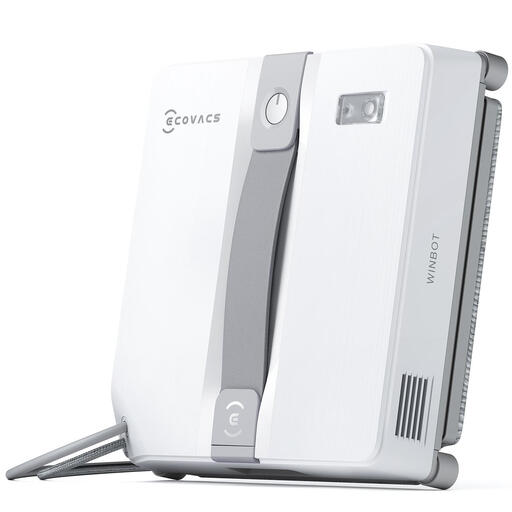
Why This Fits Their Persona: Suits households prioritising automated cleaning for narrow, high or difficult-to-reach flat windows.
The product details clearly state that it remains mains-powered, requires supervision and includes a 3.3m safety rope.
7500Pa maximum suction; ultrasonic water spray; app control; power-cut protection of approximately 30 minutes.
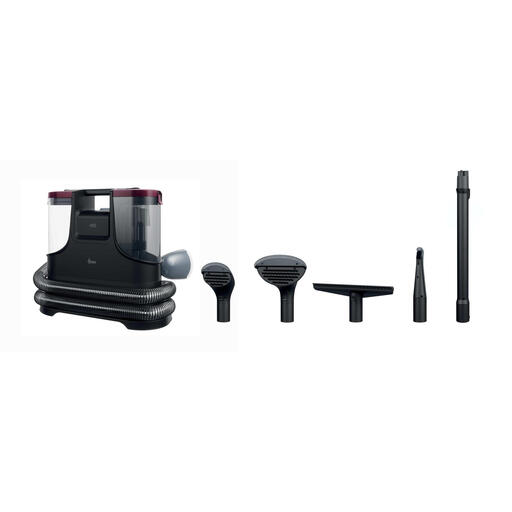
Why This Fits Their Persona: Designed for people who want one compact appliance for glass, shower screens, upholstery, carpets and car interiors.
It is not limited to a spray-and-wipe task: the appliance combines spraying, washing, brushing and vacuuming, with separate clean- and dirty-water tanks.
400W motor; up to 10kPa suction; heated water to approximately 40°C; dedicated window-cleaning accessory.
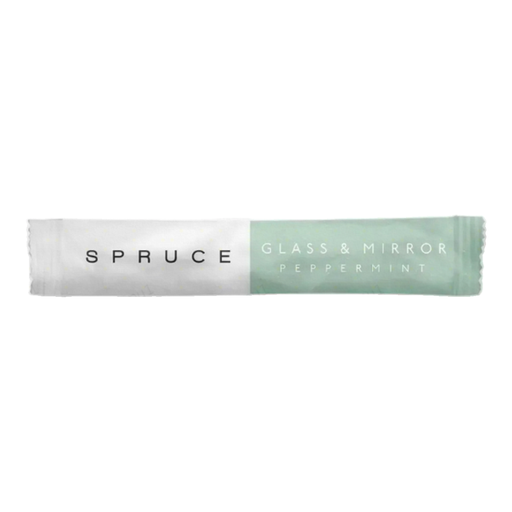
Why This Fits Their Persona: A refill-based option for shoppers aiming to reduce single-use packaging while cleaning glass, mirrors and shiny surfaces.
The product is supplied as refills rather than additional full-size spray bottles. It requires a compatible reusable aluminium bottle and water.
Three refills make 500ml each; paper packaging is home-compostable; plant-derived ingredients are listed.
We have compiled a complete, real-time list of products that fully satisfy these strict selection criteria and UK safety regulations.
Check the packaging for storage and shelf-life information. In normal household use, replace a product if its appearance, smell or consistency changes, or if the trigger becomes unreliable. Store bottles upright and away from children, heat and direct sunlight.
It is generally intended for ordinary glass and mirrors when the label says so, but it may not be suitable for acid-sensitive materials surrounding the glass. Avoid applying it to marble, some stone surfaces, finished wood or other materials listed in the warnings.
Most require a mains connection while cleaning. Their internal battery is commonly designed to provide temporary power-cut protection, not cordless operation. Check the stated protection time, cable length and safety-rope requirements before purchase.