
24/7 Customer Support

Free returns

Same-day & Next-day Delivery

Quality Guaranteed

Unlock Your Welcome Offers: FREE Delivery | Up to 80% OFF | Free 30-day JoyPlus trial
Download the APP
Buying wine by the case can reduce the cost per bottle and make entertaining easier, but a large order is only worthwhile when the wines match your taste, storage space and occasions. Whether you are planning a dinner party, stocking up for weekends or looking for a practical gift, the right wine case deals should offer clear bottle information rather than relying on vague promotional language.
This guide explains what to check before you buy wine cases online, including bottle size, grape variety, alcohol units, origin and serving suitability.
A discount can look attractive until you check the number of bottles, bottle size and delivery charges. Most standard wine cases contain 75cl wine bottles, but smaller formats may be included in mixed offers. A 187ml bottle, for example, is convenient for individual servings but is not directly comparable with a standard bottle when calculating the price per litre.
Before ordering, divide the total price by the total volume. This gives a more useful comparison between a Chardonnay case deal, a mixed case and bulk wine deals UK shoppers may be considering.
Chardonnay from Australia, France or Chile can taste quite different because climate, fermentation and oak ageing affect the final style. The same applies to Sauvignon Blanc. A French wine case may include crisp, mineral-led bottles, while an Australian wine case can offer fuller fruit flavours, although individual wines will vary.
Look for specific tasting information such as citrus, apple, peach, oak, vanilla or mineral notes. Avoid assuming that every bottle labelled with the same grape will taste alike.
Online listings occasionally include copied or mismatched text. Check the product title against the country of origin, alcohol percentage, bottle size and ingredients. The physical label remains the most reliable source at delivery, particularly for vintage, importer and nutritional details.
All listed wines should be treated as 18+ products, contain sulphites unless stated otherwise and be enjoyed responsibly. Alcohol should not be consumed during pregnancy, and you should never drink and drive.
Confirm how many bottles are included and whether each is 75cl. Standard 75cl bottles work well for dinner parties and regular home storage. Smaller formats may suit picnics, festivals or occasions where a full bottle would be unsuitable.
When comparing a white wine case, calculate:
This approach helps separate genuine value from a large-looking discount.
Alcohol percentage, or ABV, indicates the strength of the wine. UK units can be calculated using:
ABV × bottle volume in litres = approximate UK units per bottle
For example, a 75cl bottle at 13% ABV contains approximately 9.75 UK units. The UK Chief Medical Officers advise that adults should not regularly exceed 14 units per week. A case can therefore represent a considerable quantity, so consider how quickly it will be consumed and who will be drinking it.
Choose the style that fits your likely meals:
Serving temperature also matters. Most white wines are more enjoyable lightly chilled, while fuller reds are generally served cooler than room temperature in a centrally heated UK home.
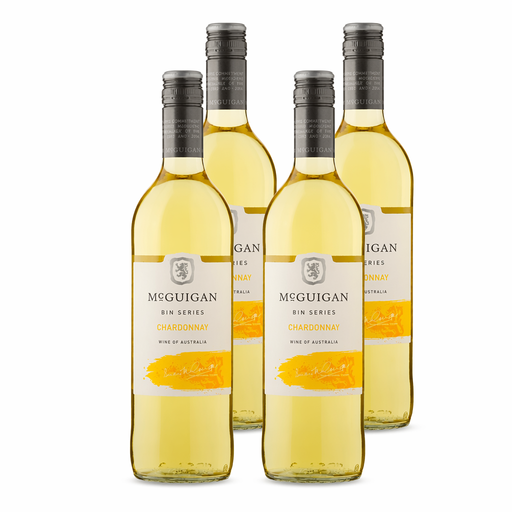
Why This Fits Their Persona: A straightforward Australian Chardonnay option for shoppers building a home supply without choosing an especially high-strength bottle. It contains 10.5% ABV and is listed as suitable for vegetarians and vegans.
The listing provides grape variety, country of origin, ABV and UK units per bottle, making price and strength easier to compare.
Australian origin; peach, citrus, vanilla and oak tasting notes; suitable for white meat dishes.
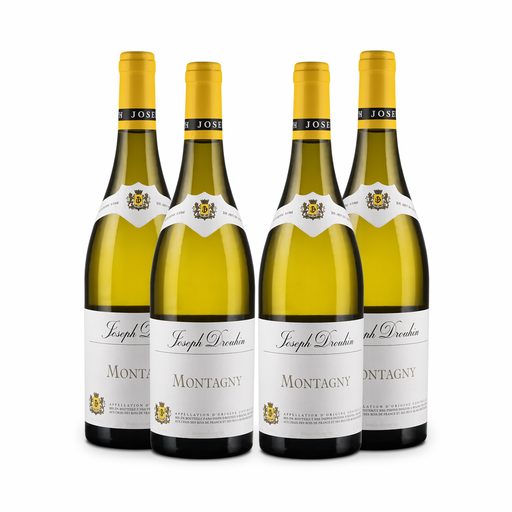
Why This Fits Their Persona: A French Burgundy Chardonnay for a formal meal, thoughtful gift or occasion where regional identity matters.
The listing identifies the appellation, grape variety, 13% ABV and approximate units per 75cl bottle rather than presenting an unspecified premium wine by the case.
French Burgundy origin; 100% Chardonnay; suggested serving temperature of 10–12°C; food pairing includes fish, shellfish and creamy pasta.
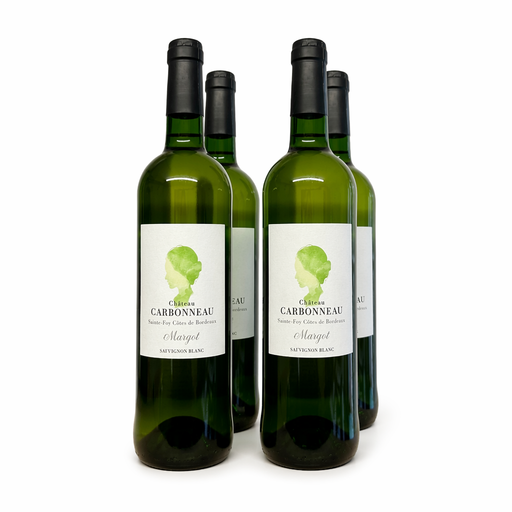
Why This Fits Their Persona: A case-sized purchase for hosts who regularly serve seafood, salads or lighter meals and want a recognisable grape-led style.
The listing states 75cl, 14% ABV, approximately 10.5 UK units per bottle and a recommended chilled serving range.
French Bordeaux origin; Sauvignon Blanc; suitable for seafood, white meat and soft cheeses.
We have compiled a complete, real-time list of products that fully satisfy these strict selection criteria and UK safety regulations.
It can reduce the per-bottle price, but not every offer represents equal value. Compare total volume, bottle count, ABV, delivery charges and the type of wine included. A case deal is more practical when you already know the style suits your household or planned event.
Keep bottles in a cool, dark and stable place, away from radiators, direct sunlight and strong odours. Follow the product listing for whether bottles should be stored upright or on their side. Refrigerate opened white wine and follow the stated consumption guidance.
A versatile Chardonnay case can work with poultry, pasta, fish and cheese. Sauvignon Blanc is a useful choice for seafood, salads and goat’s cheese. If guests have varied tastes, consider a mixed selection rather than committing to one grape variety. Always check the bottle count and allow for responsible consumption by guests aged 18 or over.