
24/7 Customer Support

Free returns

Same-day & Next-day Delivery

Quality Guaranteed

Unlock Your Welcome Offers: FREE Delivery | Up to 80% OFF | Free 30-day JoyPlus trial
Download the APP
Buying wine by the case can reduce the cost per bottle and save repeated trips to the shop, but a low headline price does not always mean good value. UK shoppers also need to consider bottle size, alcohol units, flavour style, storage and whether the case suits the occasion.
This guide explains the practical checks worth making before choosing wine case deals, followed by our top recommendations for different drinking preferences and budgets.
A case may contain different numbers of bottles, and some listings can use “75cl wine deals” prominently while placing the total bottle count less clearly. Always confirm:
A case of twelve 75cl bottles contains 9 litres of wine. Comparing this total with a six-bottle case prevents an apparently cheaper offer from being misleading.
Sauvignon Blanc, Pinot Grigio, Chardonnay and Shiraz can vary considerably by country, alcohol level, sweetness and winemaking style. For example, a Sauvignon Blanc from Spain may offer a fruit-forward, approachable profile, while a New Zealand Sauvignon Blanc may be more aromatic and sharply refreshing.
The grape name is a useful starting point, but the product description, country of origin, ABV and serving guidance provide a more realistic buying picture.
A bottle’s alcohol percentage is not the same as its total alcohol units. A 75cl bottle at 13.5% ABV contains approximately 10.1 UK units, while a lower-strength 8% bottle contains fewer units. Check the label or product page, particularly when buying wine for parties or stocking up for everyday drinking.
Most unopened wine should be stored in a cool, dark place away from direct sunlight. Once opened, reseal it and follow the product guidance; many wines are best consumed within a few days. All alcoholic products listed here are for shoppers aged 18 and over. Drink responsibly, and do not drink during pregnancy.
A standard 75cl bottle is suitable for dinners, gifts and sharing. If you are buying a red wine case deal for regular meals, calculate how quickly your household is likely to use the case. Larger cases can offer convenience, but only represent value if the style is one you will genuinely drink.
For entertaining, a mixed selection may be more practical than a large case of one variety. A combination of white, rosé and red wine allows guests to choose according to their preference.
Use ABV as a comparison point, not as a measure of quality. Lower-strength wines such as an 8% white or 9% Moscato may suit shoppers who prefer a lighter, sweeter or more casual drink. Wines around 12–13.5% ABV often have a fuller presence, but food pairing and personal taste remain important.
Look for straightforward flavour descriptions:
Wine commonly contains sulphites, which must be declared when present above the relevant threshold. Check the allergen statement if you have a sensitivity. Some products are suitable for vegetarians and vegans, but this should be confirmed on the specific listing rather than assumed from the wine style.
Nutrition information can also differ. A product page may provide estimated energy and sugar values per 100ml, helping shoppers compare lighter, sweeter or drier options.
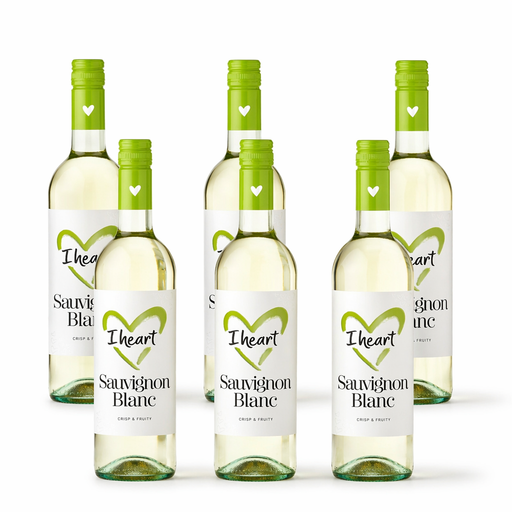
Why This Fits Their Persona: A practical Spanish white wine option for shoppers wanting an approachable case for informal meals, guests or regular chilled serving.
The listing specifies 75cl bottles, 10% ABV, Spain as the country of origin and a screw-cap closure, making key comparison details easy to check.
Citrus, green apple and tropical notes; suitable for vegetarians and vegans; recommended served chilled at 8–10°C.
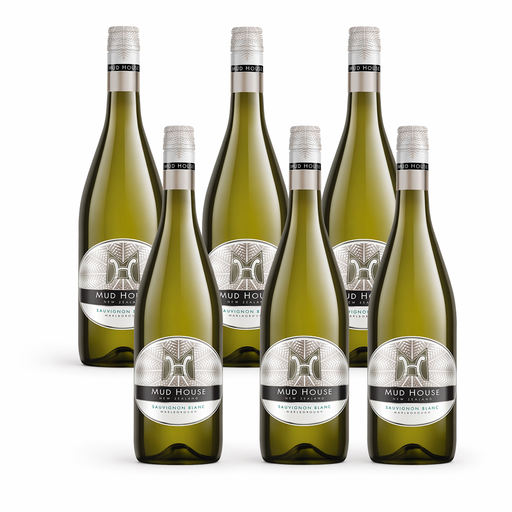
Why This Fits Their Persona: Suits buyers who look for a recognisable New Zealand style with more aromatic detail for seafood dinners, picnics or serving to guests.
The listing provides the Marlborough origin, 13.5% ABV, serving temperature and stated food pairings rather than relying only on promotional wording.
Passion fruit, lime peel and fresh herb notes; suitable for seafood, salads and goat cheese.
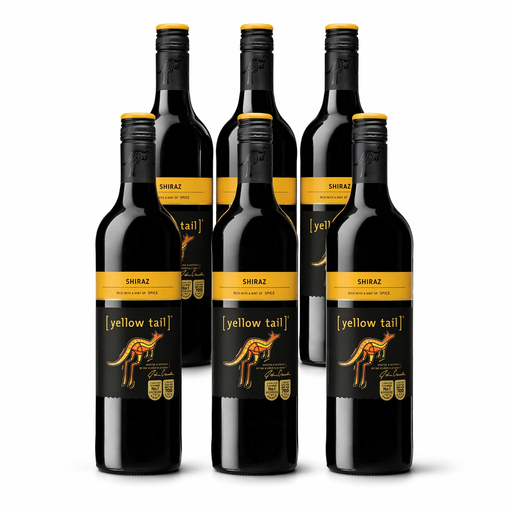
Why This Fits Their Persona: A suitable direction for households wanting a red wine case deal for grilled food, pasta, hearty cheeses and informal hosting.
The listing states the 75cl quantity, 13.5% ABV, South Eastern Australia origin and post-opening refrigeration guidance.
Dark berry notes and a smooth finish; stated pairing options include grilled meats, pasta and hearty cheeses.
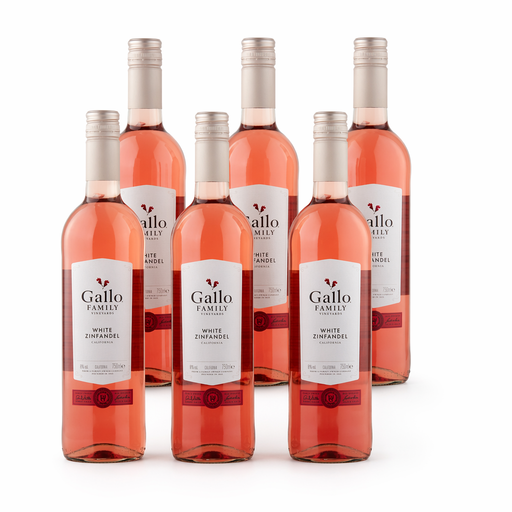
Why This Fits Their Persona: The 8% California rosé is positioned for chilled serving at dinners, celebrations and relaxed social occasions where an easy-drinking style is useful.
The product details identify the 75cl format, 8% ABV, California origin, sulphites and refrigeration guidance after opening.
Lower ABV than the other featured bottles; designed to be served chilled and paired with pasta, grilled dishes or cheeses.
We have compiled a complete, real-time list of products that fully satisfy these strict selection criteria and UK safety regulations.
There is no single standard case size. Listings may contain six, twelve or another number of bottles, so check the exact quantity and volume before ordering. A 75cl bottle contains 750ml, and the total case volume can be calculated by multiplying that figure by the number of bottles.
It can be, provided the style, ABV and quantity match your household’s habits. Crisp white wines, lighter rosés and approachable reds are often practical for meals and informal occasions. Store unopened bottles correctly and follow the product guidance after opening.
The broader bargains category may include wine case deals, discounted wine bottles, electronics and tablet deals. For any tablet purchase, compare display size, storage, operating system, connectivity, battery capacity, accessories and warranty separately from the wine criteria. Availability and delivery options should be checked on the individual product page before checkout.