
24/7 Customer Support

Free returns

Same-day & Next-day Delivery

Quality Guaranteed

Unlock Your Welcome Offers: FREE Delivery | Up to 80% OFF | Free 30-day JoyPlus trial
Download the APP
Finding worthwhile wine case deals UK shoppers can rely on is not simply a matter of choosing the largest discount. Case buying can reduce the cost per bottle, but only when the wine suits your taste, the quantity is manageable and the listing provides clear information.
Whether you are preparing for a dinner party, stocking up for weekends or looking for practical wine gifts, these checks can help you avoid common buying traps.
A case can appear affordable while containing wines you would not normally choose. Before comparing prices, calculate the cost per 75cl wine bottle and consider how many bottles you are likely to use. A mixed occasion may justify a case, while a single-person household could find a large bulk wine purchase less practical.
Terms such as “smooth”, “rich” or “crowd-pleasing” describe an intended drinking style rather than an independently verified result. Check the actual grape varieties, alcohol percentage, origin, serving guidance and food pairings.
For example, a Californian wine may range from lighter, fruit-forward rosé to a fuller Cabernet Sauvignon. These are not interchangeable choices for a meal or gift.
Vintage, alcohol percentage, ingredients and nutrition details should be checked against the bottle or the latest product listing. This is particularly important when a description contains conflicting information. Wines commonly contain sulphites, so anyone with a sulphite allergy should review the allergen statement before ordering.
All alcoholic products in the UK are restricted to customers aged 18 and over. Drink responsibly and follow current UK health guidance.
The grape blend gives you a useful starting point:
Alcohol percentage affects the style and the number of units in each bottle. The products listed range from 8% ABV for Gallo White Zinfandel to 14.5% ABV for Thelema Mountain Red and Bogle Phantom. A standard 75cl bottle can therefore contribute significantly different amounts of alcohol depending on its ABV.
Check the units per bottle where shown, particularly when buying several cases for entertaining. Avoid assuming that a sweeter-tasting or lighter-coloured wine contains less alcohol.
Most unopened wine should be kept in a cool, dark place away from heat and direct sunlight. Rosé is usually served chilled, while fuller reds are often served slightly below typical room temperature rather than warm.
Also consider how quickly you will open the bottles. Some listings recommend drinking the wine relatively soon, while others indicate that short-term storage may be suitable. Once opened, reseal wine and refrigerate rosé; follow the product’s storage instructions.
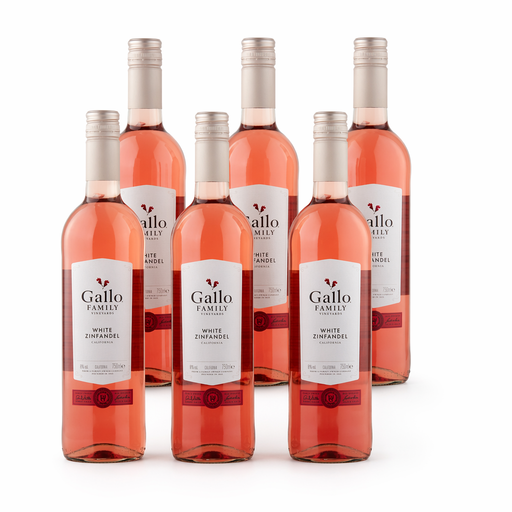
Why This Fits Their Persona: An approachable case option for new wine buyers, casual gatherings and shoppers who prefer a lighter 8% ABV rosé served chilled.
The listing identifies the Californian origin, ABV, units and sulphites, helping you assess the case before ordering rather than relying only on promotional wording.
8% ABV; suitable for chilled serving and everyday sharing plates.
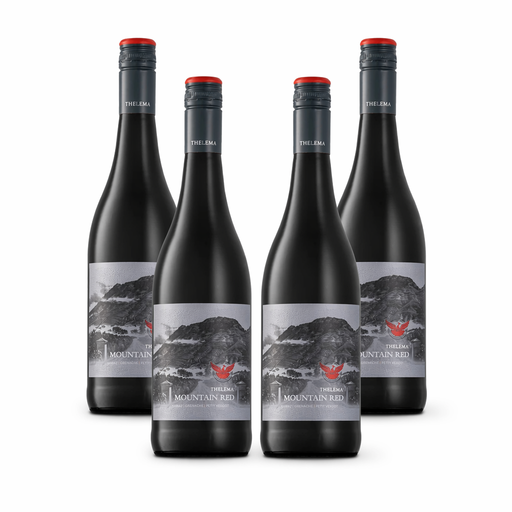
Why This Fits Their Persona: A South African red for shoppers seeking a more structured bottle for dinner parties, gifting or substantial food.
Its stated blend of Shiraz, Petit Verdot, Grenache and Cabernet Sauvignon gives more useful buying information than a vague “premium” description.
14.5% ABV; vegetarian and vegan suitable according to the listing; pairs with grilled meat and mature cheese.
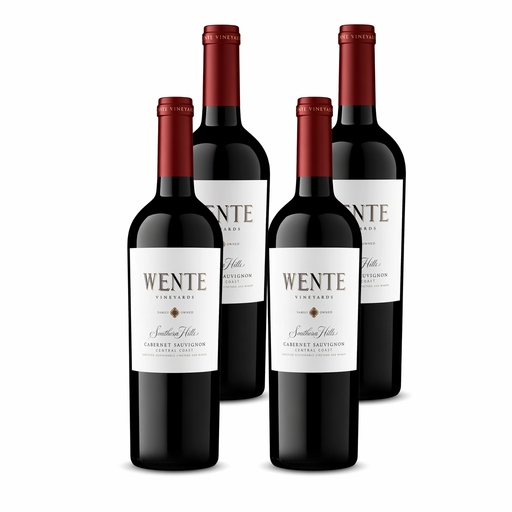
Why This Fits Their Persona: A practical case for hosts who regularly serve red wine with roast dinners, grilled meat, lamb curry or hard cheeses.
The listing gives a named Californian region, grape variety, suggested serving temperature and food pairings, making the case easier to match to regular meals.
75cl bottles; dark-fruit and oak tasting notes; stated serving range of 15–18°C.
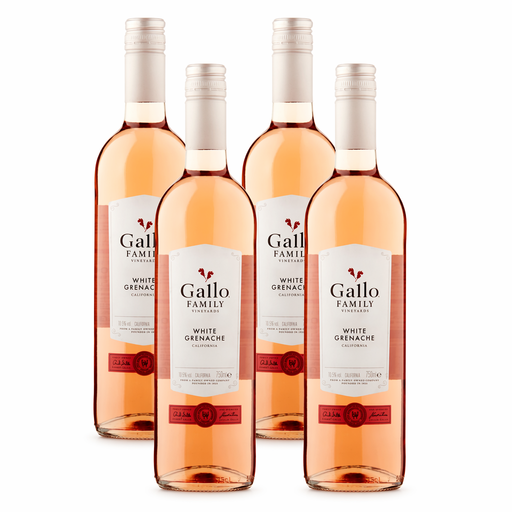
Why This Fits Their Persona: A chilled rosé case for garden gatherings, light lunches, antipasti, salads and grilled seafood.
The listing specifies strawberry and citrus notes, 9.5% ABV, US origin and sulphites, allowing a clearer comparison with other rosé options.
9.5% ABV; designed for chilled serving; stated pairings include salads and seafood.
If a full case is more than you need, individual bottles may offer a lower-commitment way to compare styles. Options include the Wente Vineyards Sandstone Merlot, with plum, black-cherry and mocha notes, and Wente Vineyards Beyer Ranch Zinfandel, which lists blackberry, fig, spice and oak characteristics.
For a fuller Californian blend, Bogle Phantom 2020 is listed at 14.5% ABV with blackberry, plum, pepper and vanilla notes. The individual Thelema Mountain Red 2020 is another option when you want to try a South African red before selecting a case.
They can reduce the cost per bottle, but compare the complete case price, delivery charges and bottle quantity. A case is only economical if you will drink or gift the contents within the recommended storage period.
Keep unopened bottles in a cool, dark, stable place away from radiators, strong light and vibration. Follow the listing’s instructions, and refrigerate rosé after opening. Check cork-sealed bottles for any specific positioning guidance.
Choose according to the menu. Cabernet Sauvignon, Merlot and fuller blends suit red meat, pasta and mature cheese, while White Zinfandel and White Grenache rosé are more suitable for lighter dishes and chilled social serving. Always check the ABV and sulphite information before purchase.
We have compiled a complete, real-time list of products that fully satisfy these strict selection criteria and UK safety regulations.