
24/7 Customer Support

Free returns

Same-day & Next-day Delivery

Quality Guaranteed

Unlock Your Welcome Offers: FREE Delivery | Up to 80% OFF | Free 30-day JoyPlus trial
Download the APP
Finding worthwhile wine deals online can be more complicated than comparing the price on a product page. A low headline price may refer to a smaller bottle, a case with limited flexibility, or an alcohol-free drink whose alcohol content needs checking carefully. The right choice depends on flavour, format, occasion and clearly stated product information.
This guide explains the main buying pitfalls and highlights practical options for dinners, entertaining, gifting and alcohol-free occasions.
A standard UK wine bottle contains 75cl, but smaller formats such as 18.7cl or 187ml are also available. A small bottle may suit an individual serving or reduce waste, but it should not be compared directly with the price of a full bottle.
For wine case deals, calculate the price per bottle and check how many bottles are included. A case can be convenient for regular hosting, but only if you are likely to use the full quantity.
Merlot, Cabernet Sauvignon, Malbec, Sauvignon Blanc, Pinot Grigio, Chardonnay and Moscato each suggest a general style, but the final taste also depends on region, alcohol content, sweetness and production method.
For example, Merlot is commonly associated with softer, fruit-led reds, while Cabernet Sauvignon often has a fuller structure. Sauvignon Blanc and Pinot Grigio are frequently chosen for crisp, refreshing white wine, whereas Moscato is typically sweeter and more fruit-forward. Treat the grape name as a starting point rather than a guarantee of taste.
Read the ABV and ingredients panel rather than relying only on front-of-bottle wording. Products described as alcohol-free may be dealcoholised wine or a sparkling grape-based drink, and the actual alcohol level can vary.
For example, McGuigan Zero Sauvignon Blanc is listed at 0.0% ABV, while Fine Sparkling Nozeco Rosé is listed at less than 0.5% ABV. These are different from a standard wine. Also check sugar content, sulphites, storage instructions and whether refrigeration is required after opening.
Check whether you are buying a single 75cl bottle, a mini bottle or a multi-bottle case. Smaller formats such as Casillero Del Diablo Reserva Sauvignon Blanc 187ml and Trivento Reserve Malbec 187ml can be useful for portion control, picnics or occasional drinking.
For larger households or regular entertaining, wine case deals can offer easier stock planning. However, compare the total number of bottles, storage space and stated shelf-life before ordering.
A bottle’s alcohol by volume (ABV) indicates the percentage of alcohol in the drink. Alcohol units depend on both ABV and volume, so a 75cl bottle at 12% ABV contains more alcohol than a 187ml bottle at the same strength.
Alcoholic products on this page are intended for adults aged 18 and over. Follow UK guidance on responsible drinking, never drink and drive, and avoid alcohol during pregnancy. Alcohol-free products should still be checked against their individual label, particularly when serving guests with specific dietary or lifestyle requirements.
Most listed wines contain sulphites, which must be declared as an allergen where applicable. Check the product page and packaging before serving anyone with a known sensitivity.
Storage also affects convenience. Still wines are generally kept in a cool, ambient location before opening, while alcohol-free products may need refrigeration after opening and consumption within a stated period. Sparkling wine should normally be served well chilled and consumed promptly after opening.
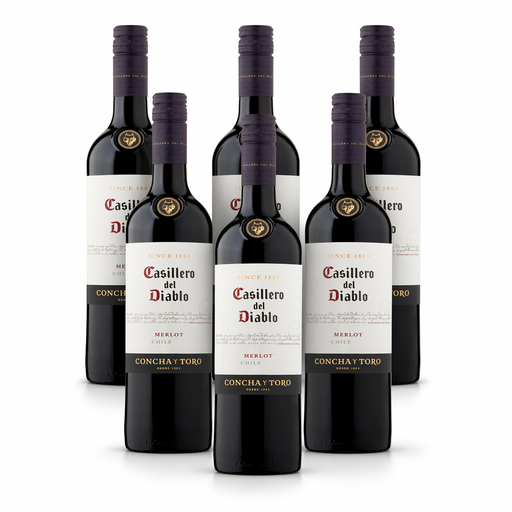
Why This Fits Their Persona: A case format suits shoppers building a practical drinks cupboard for pasta nights, casual hosting and last-minute occasions.
The listing states a 75cl bottle size, 13.54% ABV and ambient storage, making the format and strength clear before purchase.
Merlot style; suitable for pasta, grilled dishes, cheeses and sharing plates; case convenience.

Why This Fits Their Persona: A full-bodied red with stated cassis, black cherry, coffee and dark chocolate notes suits dinner hosts and shoppers seeking a more structured style.
The product page identifies the 75cl format, 12.5% ABV, Chilean Central Valley origin and sulphite allergen information.
Full-bodied Cabernet Sauvignon; stated serving temperature of 18–20°C; pairs with robust meals.
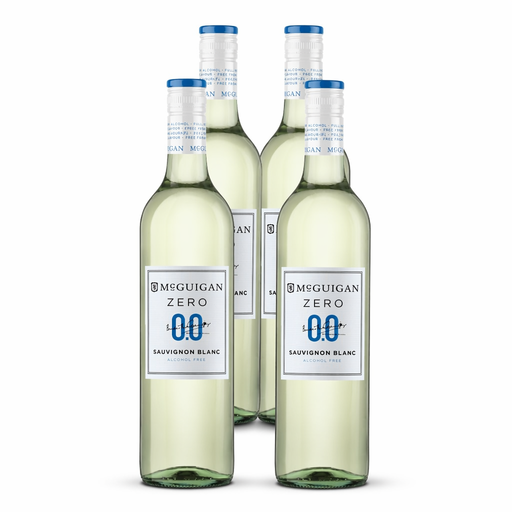
Why This Fits Their Persona: A case of alcohol-free Sauvignon Blanc works for frequent hosting, weekday meals and households where several guests prefer to avoid alcohol.
The listing states 0.0% ABV, 750ml per bottle and a three-day refrigerated consumption window after opening.
Crisp Sauvignon Blanc profile; listed notes include lime, grapefruit and passionfruit; contains sulphites.
We have compiled a complete, real-time list of products that fully satisfy these strict selection criteria and UK safety regulations.
They can reduce the per-bottle cost, but this depends on the listed case quantity, delivery charges and any active promotion. Compare the total price with the individual-bottle price and only choose a case if the style suits your likely consumption.
Storage time varies by style. Reseal still wine and follow the product guidance; alcohol-free products commonly require refrigeration and consumption within two to three days. Sparkling wine loses its carbonation more quickly, so it is generally better enjoyed soon after opening.
Check the bottle size, ABV, alcohol units, allergens, origin, storage instructions and age restrictions. For alcohol-free wine, confirm the exact stated ABV rather than relying on the product title alone.