
24/7 Customer Support

Free returns

Same-day & Next-day Delivery

Quality Guaranteed

Unlock Your Welcome Offers: FREE Delivery | Up to 80% OFF | Free 30-day JoyPlus trial
Download the APP
Navigating the world of online wine delivery can feel overwhelming. With endless options, flashy labels and persuasive marketing, it’s easy to end up with a bottle that doesn’t live up to its description or price tag. As a Joybuy Product Recommendation Officer, my role is to help you see past the hype and make choices that suit your taste, occasion and budget. Before you add to your basket, let's look at a few common pitfalls that UK shoppers encounter.
To avoid these traps, focus on objective details that tell you about the wine's true character. Here are the core parameters to consider for a smarter purchase.
The grape variety (e.g., Malbec, Chardonnay) and the region where it was grown are the two most significant indicators of a wine's flavour profile.
Labels can be confusing, but understanding these two terms will help you find a wine you'll genuinely enjoy.
When looking for prosecco delivery or champagne for sale, it's useful to know the key differences.
Here are a few recommendations matched to different needs, helping you find the right bottle for any situation.
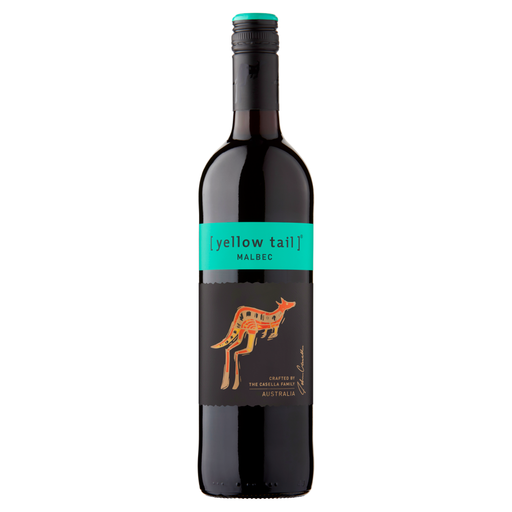
Why This Fits Their Persona: Perfect for someone who wants a reliable, affordable red for a weeknight meal or casual Friday night. It's a globally recognised brand known for consistency, taking the guesswork out of buying.
It avoids the vague "premium" label trap by being exactly what it claims to be: a straightforward, fruit-forward and easy-drinking Australian Malbec. There's no pretence, just consistency.
Offers great value and a dependable flavour profile with notes of ripe plum and blackberry. Its smooth finish makes it a crowd-pleaser.
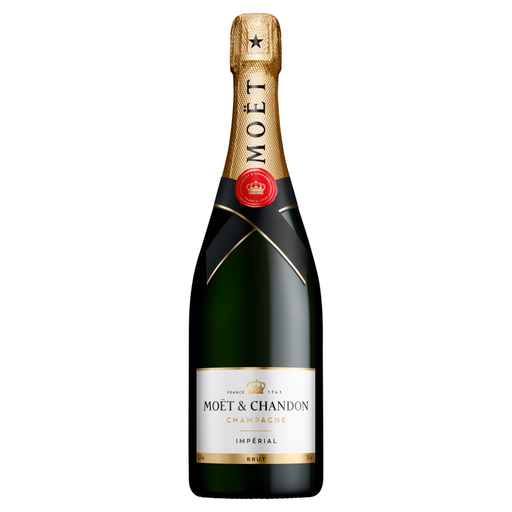
Why This Fits Their Persona: For someone hosting a special occasion like an anniversary, a promotion or a festive gathering. This is an iconic Champagne that signals celebration and quality, making it a reliable choice for toasting.
This choice sidesteps the celebrity endorsement trap. Its value is rooted in the long-standing reputation and consistent quality of a historic Champagne house, not a fleeting marketing campaign.
Delivers a balanced and elegant profile with notes of green apple, citrus and brioche. The fine bubbles and refined finish make it a universally appreciated choice for celebrations.

Why This Fits Their Persona: Ideal for those who want to enjoy the celebratory feel of sparkling wine without the alcohol. It's a sophisticated choice for designated drivers, expectant mothers or anyone practising mindful consumption.
This avoids the occasion mismatch trap for non-drinkers. Instead of offering a simple soft drink, it provides a genuine, celebratory alternative that allows everyone to feel included in the toast.
This is a true non-alcoholic sparkling wine with a balanced profile of summer berries and a crisp finish. The elegant presentation ensures it feels just as special as its alcoholic counterparts.
We have compiled a complete, real-time list of products that fully satisfy these strict selection criteria and UK safety regulations.
The main differences are origin, grapes and production method. Champagne comes exclusively from the Champagne region in France and gets its bubbles from a secondary fermentation in the bottle, giving it complex, yeasty notes. Prosecco is from Italy, made with the Glera grape, and is carbonated in large tanks, which results in a lighter, fruitier and more floral profile.
Before opening, store wine in a cool, dark place away from direct sunlight and temperature fluctuations. A cupboard or cellar is ideal. For wines with a real cork, storing them on their side keeps the cork moist. After opening, reseal the bottle tightly. White and rosé wines should be refrigerated and consumed within 3-5 days. Red wines can be stored in a cool, dark place or refrigerated and are typically good for 3-5 days. Sparkling wines lose their fizz quickly; use a proper sparkling wine stopper and consume within 1-3 days.
Yes, the market for non-alcoholic sparkling wine has improved significantly. The key is to look for products that are crafted to be alcohol-free from the start or have had the alcohol carefully removed, rather than just being sweetened grape juice. Options like the Kylie Minogue Alcohol Free Sparkling Rosé are designed to mimic the complexity and refreshment of traditional sparkling wine, offering balanced notes of fruit and acidity, making them an excellent alternative.