
24/7 Customer Support

Free returns

Same-day & Next-day Delivery

Quality Guaranteed

Unlock Your Welcome Offers: FREE Delivery | Up to 80% OFF | Free 30-day JoyPlus trial
Download the APP
Choosing the right wine glasses can feel surprisingly complex. Walk into any homeware store or browse online, and you are met with a dizzying array of shapes, materials and price points. While it is tempting to simply pick the set that looks the nicest, a little knowledge can save you from common purchasing mistakes and genuinely improve your wine-drinking experience.
As the Joybuy Product Recommendation Officer, my role is to help you navigate these choices. We will look past the marketing hype and focus on the practical details that determine a good wine glass, ensuring you find a set that suits your home, your lifestyle and your favourite bottle.
Many of us have bought glassware that ends up gathering dust. This is often due to a few common traps that are easy to fall into.
To avoid these pitfalls, focus on a few core parameters. Getting these right means you will have glassware you love to use, whether for a quiet night in or hosting a dinner party.
The material of your glass affects its appearance, weight and resilience.
crystal wine glasses are also dishwasher safe wine glasses.The shape of the bowl is functional, not just aesthetic. It is designed to manage aeration, concentrate aromas and control the temperature of the wine.
large wine glasses to allow for ample swirling.champagne flutes is designed to preserve carbonation. The narrow surface area minimises the exposure to air, keeping the bubbles lively for longer. The shape also directs the aromas straight up towards the nose.Consider how you will use and care for your glasses. If you entertain frequently or dislike hand-washing, practicality is key. Look for features like titanium-reinforced stems or proprietary technologies like SON.hyx or Sparkx, which indicate enhanced break resistance. Always check if a set is described as dishwasher safe for easy cleanup. For those with a growing collection, a dedicated wine storage rack is not just a stylish piece of furniture; it is a practical way to keep your glasses organised and safe from accidental knocks.
Based on these practical considerations, here are a few options from our catalogue, matched to different needs and lifestyles.

Why This Fits Their Persona: This user hosts friends and family regularly. They need glassware that is stylish enough for a dinner party but robust enough for frequent use and easy cleanup. This set of four is perfect for small gatherings.
It directly counters the fragility trap. Made from durable, lead-free crystal and being fully dishwasher safe, these glasses are designed for real-world use, not just for display.
The elegant optic design adds a touch of sparkle and sophistication, while the generous 570ml capacity is ideal for serving red wine. It combines style with everyday practicality.
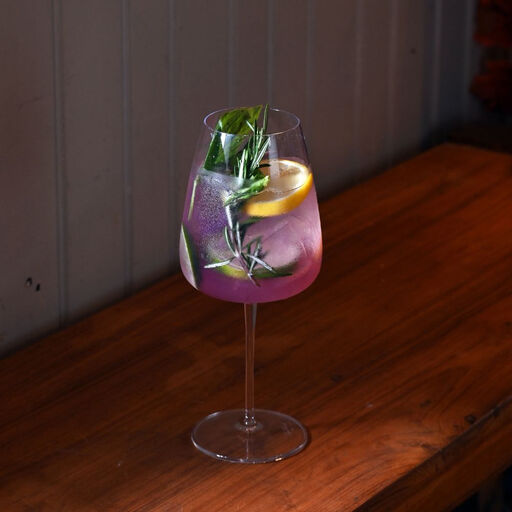
Why This Fits Their Persona: This person appreciates the finer details. They understand that a bold Bordeaux or Cabernet needs room to breathe and want a glass specifically designed to enhance that experience.
This choice debunks the "one-size-fits-all" myth. Its tall, tapered shape and very large 700ml capacity are specifically proportioned to aerate full-bodied red wines, unlocking their full aromatic potential.
Made with SON.hyx high-tech lead-free crystal, it offers exceptional brilliance and break resistance. It is a premium, purpose-built glass that remains practical as it is also dishwasher safe.
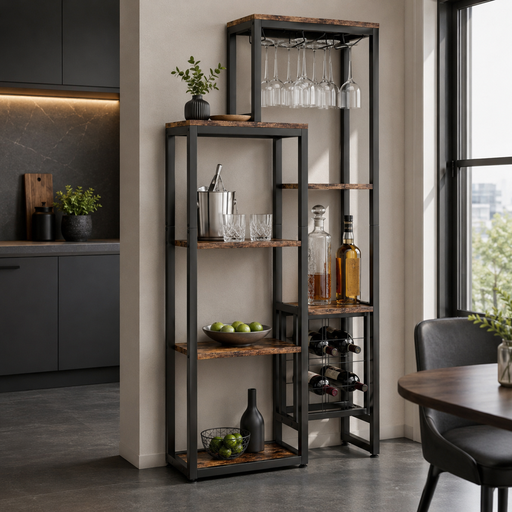
Why This Fits Their Persona: This user values both function and form. They have a collection of wine and glasses but need a stylish, space-efficient way to store them that complements their modern or industrial-style home decor.
It solves the unstated problem of storage. Improperly stored glasses are prone to dust and breakage. This rack provides a secure, organised home for both bottles and stemware, preventing clutter and damage.
This is a 3-in-1 unit, combining a wine bottle rack, a hanging glass holder and open shelves for accessories. Its industrial design is highly versatile and adjustable feet ensure stability on uneven floors.
We have compiled a complete, real-time list of products that fully satisfy these strict selection criteria and UK safety regulations.
The main difference lies in the composition. Standard glass is typically thicker and less brilliant. Modern lead-free crystal contains minerals that increase its refractive index, making it sparkle more. It can also be spun thinner while retaining strength, allowing for a very fine rim that feels less intrusive when you sip.
It depends on the product. While traditional, delicate leaded crystal should always be hand-washed, many modern lead-free crystal wine glasses are specifically engineered for durability. Brands often use proprietary treatments (like reinforced stems) and advanced formulations to make their crystal strong enough for a dishwasher cycle. Always check the manufacturer's care instructions before purchasing.
For most households, a wine glasses set of 4 or 6 is a great starting point. This covers use for your immediate family and small get-togethers. If you entertain larger groups, you might consider buying two sets or building your collection over time with specialised glasses for red, white and sparkling wines.