Coffee drinkers without a machine
If you have a mug and hot water at home, work or while travelling, compare bags that steep in the mug with filters that sit on top of it. The brewing steps differ even though both make one cup.


Choose a pyramid coffee bag if you specifically want to steep that shape of bag in a mug: Raw Bean says its 12 g pyramid bags should steep for 3–4 minutes. Standard coffee bags offer another mug-brew option, while a Rombouts one-cup filter sits on the cup for a pour-through brew; check the format, caffeine choice and disposal instructions before buying.
If you have a mug and hot water at home, work or while travelling, compare bags that steep in the mug with filters that sit on top of it. The brewing steps differ even though both make one cup.
If the bag shape matters to you, check the exact product rather than relying on the words “coffee bag”. Raw Bean describes its pyramid bags as containing 12 g of coffee per bag, with a 3–4 minute steep.
Look for an explicitly labelled decaf variant. Raw Bean lists a decaf pyramid bag, while M&S lists individually wrapped decaffeinated coffee bags; check the label of the particular pack you choose.
Start with how you want to brew the cup, then compare the flavour description, decaf option and disposal directions on the exact pack.
| Priority | What to check | Your needs |
|---|---|---|
| Brew format | Check whether the product is a pyramid bag, a standard coffee bag or a cup-mounted filter. Raw Bean gives a 3–4 minute steep for its pyramid bags; Rombouts instructs users to set its one-cup filter on a stable cup and pour in hot, not boiling, water to the line. | I want to make one hot cup without a coffee machine. Would I rather leave a bag to steep or pour water through a filter? |
| Flavour | Read the particular blend’s roast and tasting notes. Percol describes milk-chocolate and walnut notes for Rich Americano; tasting notes describe the brand’s intended profile, not how every cup will taste. | For a winter mug, I might prefer chocolate or nut notes to a lighter-sounding blend. |
| Caffeine | Check that the exact variant is labelled decaf if that matters to you. A roast name or flavour description does not identify a decaf product. | I would like the mug-brew routine later in the day, but want to choose the caffeine option deliberately. |
| Wrapping | Check the pack count and whether bags are individually wrapped. M&S describes its decaffeinated bags as individually wrapped; do not assume the same packaging across other products or pack sizes. | If I carry a bag to work or keep one for a trip, individual wrapping may matter more to me than it does for a pack kept at home. |
| Disposal | Read separate instructions for the used bag or filter and its wrapping. Rombouts says its used one-cup filter can be home-composted or put with food or green waste; follow the product directions and local collection rules. | I want to know where each part goes after brewing, rather than assume the bag, filter and packaging share one disposal route. |
A standard steeping bag and a filter that rests on a cup call for different brewing steps. Neither name, on its own, confirms a pyramid-shaped bag.
Check the stated format and preparation directions on the exact product before buying.
Terms such as “rich” or “chocolatey” describe a flavour profile, not whether the coffee is decaffeinated.
Choose an explicitly labelled decaf variant if that is the option you want, and check its pack label.
A claim about a used bag or filter does not necessarily cover its individual envelope or outer packaging.
Read the instructions for each component and check the collection rules where you live.
A pyramid-bag option with caffeinated and decaf products in the range.
A string-and-tag coffee-bag option rather than a confirmed pyramid-bag format.
Its Original One Cup Filter sits on a cup so water can pass through the coffee.
Tesco Groceries lists several Taylors coffee-bag variants, including Decaffe, Flying Start and Italian.
Its decaffeinated coffee bags offer an individually wrapped, single-serve bag format.
These coffee bags and cup-mounted drip or filter products offer ways to make a single cup without a coffee machine. Check the individual pack if a pyramid-shaped bag is essential.
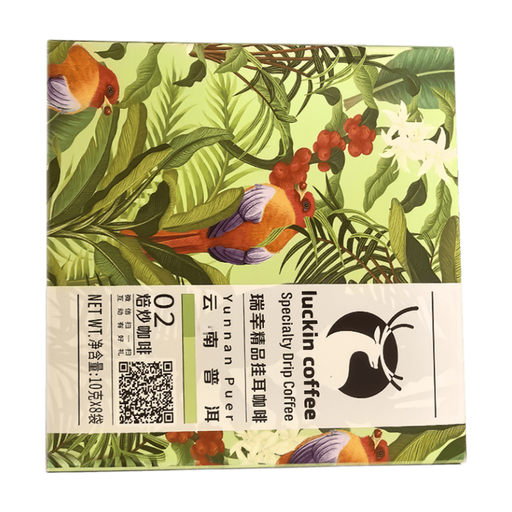 No image available
A drip-coffee option for a single cup when you want to pour water through coffee rather than steep a bag. The named pack contains eight 10 g bags; check the pack if pyramid construction is essential.
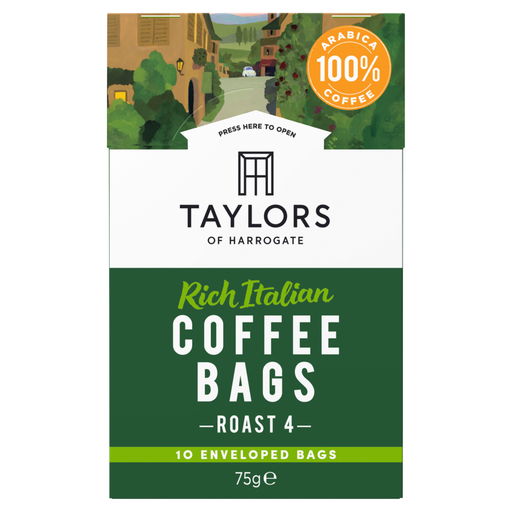 No image available
A coffee-bag option for a mug brew without a machine. This is the 75 g Rich Italian product; check its preparation directions and bag shape on the pack if those details affect your choice.
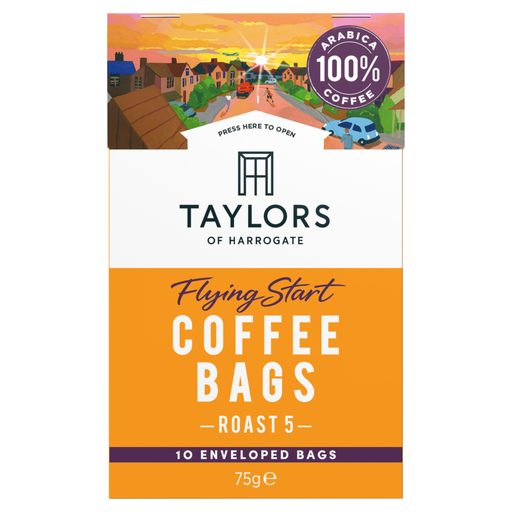 No image available
Another 75 g coffee-bag choice for making a single mug without a machine. Check the pack’s hot-drink preparation guidance and confirm the bag shape if you specifically want a pyramid bag.
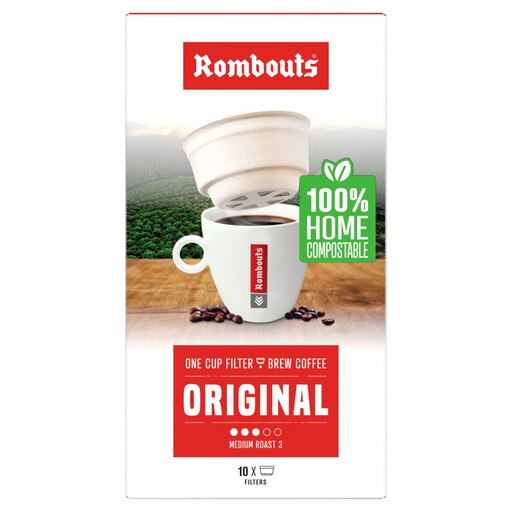 No image available
Choose this 70 g one-cup filter product if you prefer a pour-through brew to a steeping bag. Rombouts directs users to place its Original filter on a stable cup and pour hot, not boiling, water up to the line; check the pack’s separate disposal instructions.
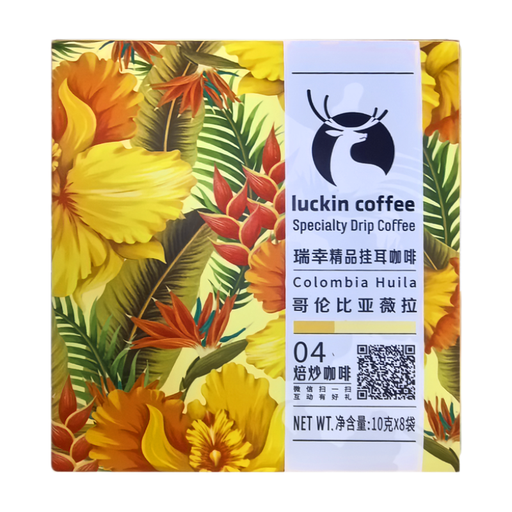 No image available
A single-cup filter-coffee option for a pour-through brew. The named Colombia Verla Series 2.0 pack contains eight 10 g bags; check the brewing directions and bag construction if you want a particular format.
No. Raw Bean explicitly describes its cited bags as pyramid-shaped; Percol lists string-and-tag coffee bags, and Rombouts Original is a filter that sits on a cup. Check the exact format rather than using “coffee bag” as a shape description.
Raw Bean says to steep one of its pyramid bags in a mug of hot water for 3–4 minutes, then remove it. Follow the directions on the particular pack you buy.
Rombouts Original sits on a stable cup while hot, not boiling, water passes through the filter; its directions say to pour to the marked line. A coffee bag steeps in the mug before removal.
No. NHS pregnancy guidance sets a limit of 200 mg of caffeine a day from all sources; choosing a decaf coffee bag does not replace checking the particular product and accounting for other food and drinks.
Follow the instructions for the exact product and your local collection rules. Percol directs users to the local-authority food-waste route for its bag, string and tag; Rombouts says its used one-cup filter can be home-composted or disposed of with food or green waste. Check wrapping separately.