Households making tea with milk
If tea accompanies toast, biscuits or a substantial winter breakfast, look at everyday black tea and English Breakfast blends described as full-bodied. Brew according to the pack before deciding how much milk to add.


For tea with milk alongside a substantial breakfast or baking, start with an everyday black tea or English Breakfast blend described as full-bodied. Choose Earl Grey when you want a citrus note instead; an explicitly labelled decaf blend addresses caffeine timing, while a hard-water blend is worth considering if your tap water changes the cup you make.
If tea accompanies toast, biscuits or a substantial winter breakfast, look at everyday black tea and English Breakfast blends described as full-bodied. Brew according to the pack before deciding how much milk to add.
If you want the tea to bring a citrus note to cakes or other sweet food, Earl Grey is a different choice from an unflavoured breakfast blend. Twinings describes its Earl Grey as delicate, with citrusy bergamot.
For an evening cup or another occasion when caffeine matters, compare packs explicitly labelled decaf rather than assuming ordinary black tea has been decaffeinated. Tea also contributes to total caffeine intake.
Choose the flavour and caffeine profile first, then check whether your water, brewing routine or sourcing preferences point to a more specific pack.
| Priority | What to check | Your needs |
|---|---|---|
| Tea with milk | Look for an everyday black tea or English Breakfast blend described as full-bodied. Check the pack’s brewing directions and add milk after brewing when making tea in a mug. | I want a black-tea cup to drink with milk alongside toast, biscuits or a hearty breakfast. |
| Citrus flavour | Check whether the blend is Earl Grey and how its flavourings are described. Twinings describes its Earl Grey as delicate, with citrusy bergamot. | For cakes or other sweet food, I would rather have a noticeable citrus note than an unflavoured breakfast tea. |
| Caffeine | Check the exact pack for a decaf label. If you need to account for caffeine intake, include tea alongside other caffeine-containing foods and drinks. | An evening cup calls for an explicitly labelled decaf option rather than an assumption about ordinary black tea. |
| Hard water | Consider a blend specifically labelled for hard water if minerals in your tap water affect the tea you make. Yorkshire Tea says hard-water minerals can make tea taste darker and thicker. | My usual brew changes with the water at home, so a water-specific blend may be relevant. |
| Sourcing and materials | Check the exact pack for the organic or Fairtrade designation you want, as well as any tea-bag material and disposal instructions. Clipper lists an Organic & Fairtrade English Breakfast product. | I want to choose by the labels and materials on the particular box I buy, not by a claim about an entire brand range. |
| Brewing routine | Follow the directions for your chosen pack rather than applying one timing to every blend. ASDA’s listing for PG Tips Original, for example, gives a one-to-two-minute brew before adding milk. | I want a preparation method that fits the tea I have chosen, whether I make it in a mug or a teapot. |
An unflavoured everyday blend, citrusy Earl Grey and tea made for hard water address different preferences or conditions. Pack size alone will not tell you which flavour you are choosing.
Decide whether you want a fuller black-tea profile, a citrus note or a blend for your water before comparing pack sizes.
Yorkshire Tea notes that milk cools the water, while tea brews in very hot water. Adding it early changes the brewing conditions before you have judged the blend.
When brewing in a mug, add hot water to the bag, follow the pack’s brewing directions, then add milk to taste.
A standard black tea is not a decaf tea. The NHS also identifies tea as a caffeine source in its pregnancy guidance, which concerns total daily intake rather than tea alone.
Choose a pack explicitly labelled decaf when that distinction matters, and check caffeine information in the context of everything else you drink or eat.
Ingredients, certifications and packaging details matter when choosing for a specific dietary or materials preference.
Check the delivered pack for its ingredients, allergen information, certification labels, brewing directions and disposal instructions.
Its range includes standard tea, Gold, decaf and a blend specifically labelled for hard water.
Its English Breakfast and Earl Grey products offer different black-tea flavour directions.
Clipper lists an Organic & Fairtrade English Breakfast tea for shoppers interested in that combination of labels.
Tetley Original is an everyday black-tea option, including the 420-bag pack listed by ASDA Groceries.
PG Tips Original is an everyday tea-bag option with pack-specific brewing guidance.
Typhoo describes its Original tea as a smooth, full-bodied everyday blend.
These options cover everyday black tea, citrus-flavoured Earl Grey, decaf tea and a hard-water blend for different winter tea occasions. The Clipper option combines an everyday black-tea style with a decaf label.
 No image available
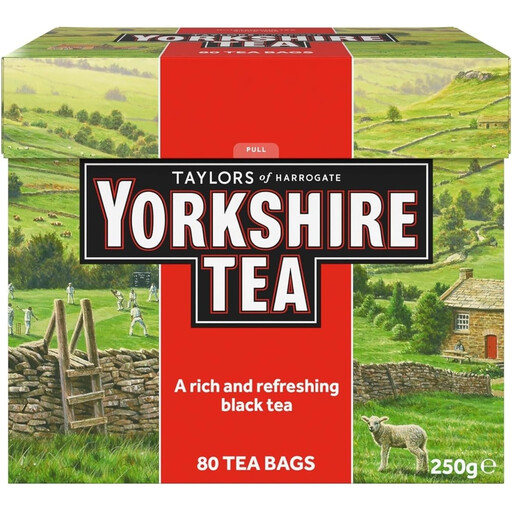
Consider this everyday Yorkshire Tea option if you want black tea with milk alongside breakfast or baking. The pack title specifies 80 tea bags and 250g; check the pack if caffeine timing affects your choice.
 No image available
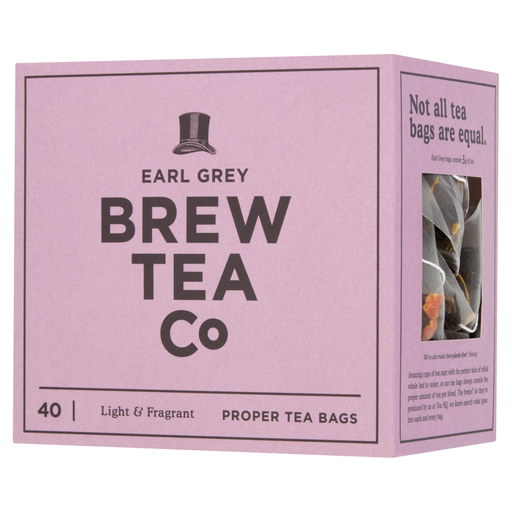
Choose the Earl Grey route if you want a flavoured tea rather than an unflavoured breakfast blend with sweet food. The title specifies 40 tea bags and 120g; follow the pack’s brewing directions.
 No image available
This explicitly decaffeinated tea is an option when caffeine timing matters. The title specifies 80 tea bags and 250g; check the pack’s caffeine information if you need to account for a particular amount.
 No image available
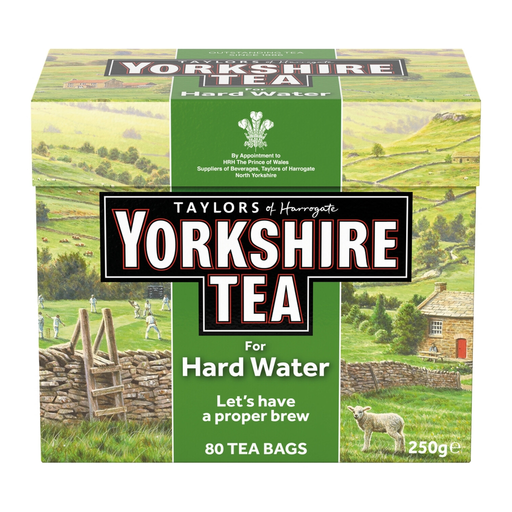
Consider this condition-specific blend if hard water affects the tea you make at home. Its title specifies 80 tea bags and 250g; the hard-water designation alone does not make it a better choice where that condition is irrelevant.
 No image available
This labelled decaf option brings together an everyday tea style and organic and Fairtrade designations. The title specifies 80 tea bags and 277g; check the exact pack for the certifications and brewing directions you need.
Start with an everyday black tea or English Breakfast blend described as full-bodied. Twinings describes its English Breakfast as having body, while Clipper describes its English Breakfast as an Assam and Ceylon blend; when making tea in a mug, brew it in hot water before adding milk.
Choose Earl Grey if you want a citrus note in the tea. Twinings describes its Earl Grey as delicate with bergamot; choose an unflavoured everyday or English Breakfast blend instead if that flavour is not what you want.
Follow the directions on the particular pack, because they are not the same for every tea. ASDA Groceries’ listing for PG Tips Original, for example, gives one to two minutes before adding milk; that timing should not be assumed for another blend.
An explicitly labelled decaf tea is the relevant choice if you want to distinguish your evening cup from ordinary caffeinated black tea. If you are tracking caffeine intake, account for other foods and drinks too; the NHS identifies tea as a caffeine source in its pregnancy guidance.
Water conditions can affect the cup: Yorkshire Tea says minerals in hard water can make tea taste darker and thicker. If that matches what happens with your tap water, a tea explicitly labelled for hard water is an option to consider.