What should you check before choosing?
Decide whether you want ginger to lead the flavour, a mix of spices, or a rooibos-based drink; then check the exact blend’s ingredients and serving directions.
| Priority |
What to check |
Your needs |
| Ginger profile |
Compare disclosed ginger percentages only for the named blends: Twinings Spiced Ginger lists 70%, Clipper Ginger & Turmeric 65%, and Yogi Tea Ginger Orange with Vanilla 41%. Also read the other ingredients; percentage is not a taste test. |
I want ginger to stand out beside rich winter food, rather than choosing on the word “warming” alone. |
| Type of spice |
Clipper lists turmeric, cinnamon and black pepper alongside ginger. Pukka describes Three Ginger as a blend of ginger, galangal and turmeric. For a different base, teapigs Spiced Winter Red combines rooibos with orange peel, cinnamon and cloves. |
Would I prefer layered root spices, or a rooibos drink with familiar winter-spice notes? |
| Later-day drinking |
Check the caffeine statement on the exact pack. teapigs calls Spiced Winter Red naturally caffeine free; Yogi Tea makes the same statement for Ginger Orange with Vanilla. Do not apply either statement to every blend from those brands. |
After dinner, I want to choose a drink whose caffeine status is clear. |
| Ingredients and warnings |
Read the full ingredient panel and any product warning. Twinings Spiced Ginger and Yogi Tea Ginger Orange with Vanilla contain liquorice; both warn that people with hypertension should avoid excessive consumption. |
If a botanical ingredient or warning affects my choice, I need to spot it before buying a larger pack. |
| How you will serve it |
Follow the chosen blend’s own infusion instructions. If you want milk, teapigs specifically describes Spiced Winter Red as suitable with or without it; that serving suggestion does not extend to every herbal infusion. |
Sometimes I want a spiced drink with milk; at other times, a ginger infusion made with water is what I have in mind. |
Brand and blend references
These named blends illustrate different ways to make a winter-spiced drink; a brand reference does not mean that its product appears in the Joybuy selection below.
Twinings
Spiced Ginger is a 20-bag ginger-led infusion with cinnamon and cloves.
- Twinings lists 70% ginger root, 15% liquorice root, 10% cinnamon and 5% cloves in this blend.
- Because it contains liquorice, Twinings warns that people with hypertension should avoid excessive consumption.
Clipper
Organic Ginger & Turmeric Infusion combines ginger with several other spices and botanicals.
- Clipper lists 65% ginger root, 12% turmeric, 12% lemongrass, 8% cinnamon and 1% black pepper.
- The ingredient percentages describe the blend, not a directly comparable measure of flavour intensity after brewing.
Pukka
Three Ginger takes a multi-root approach rather than centring its name on one spice.
- Pukka describes a blend of ginger root, galangal and turmeric with spicy notes.
- Choose it for that combination of roots, rather than assuming its ginger proportion matches a blend with a stated percentage.
teapigs
Spiced Winter Red is a rooibos-based alternative to a ginger-led infusion.
- teapigs describes the blend of rooibos, orange peel, cinnamon and cloves as caffeine free and suitable with or without milk.
- Its rooibos-and-winter-spice profile is a different choice from a blend selected principally for ginger.
Yogi Tea
Ginger Orange with Vanilla is a citrus-and-ginger option labelled naturally caffeine free.
- Yogi Tea lists 41% ginger and orange peel among the ingredients of this named blend.
- It contains liquorice, and Yogi Tea warns that people with hypertension should avoid excessive consumption.
Joybuy ginger and herbal drink options
These options cover ginger tea bags, an instant ginger drink and a hibiscus-and-ginger tea. Compare their formats and check each product’s ingredient panel if you want to match a particular spice profile or avoid a sweetened drink.
 No image available
Twinings Lemon & Ginger Tea Bags, 20 pack
A tea-bag option when you want ginger with lemon alongside winter food. Check the ingredient list and brewing directions if a particularly ginger-led cup matters to you.
View on Joybuy
 No image available
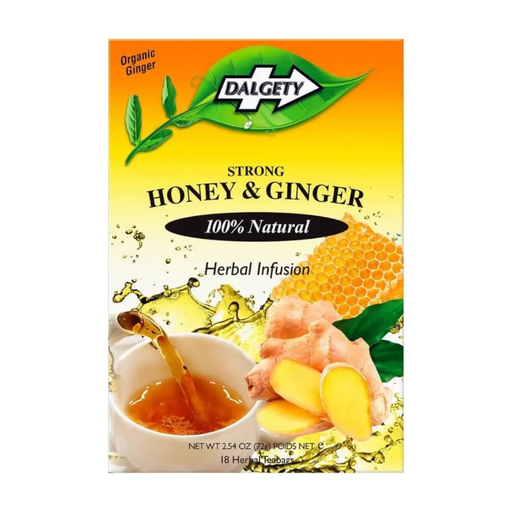
Dalgety Honey & Ginger Tea, 72g
The named honey-and-ginger combination is worth considering if you want that profile rather than plain ginger. Read the ingredient and nutrition panels if sweetening matters to your choice, and follow the pack’s preparation directions.
View on Joybuy
 No image available
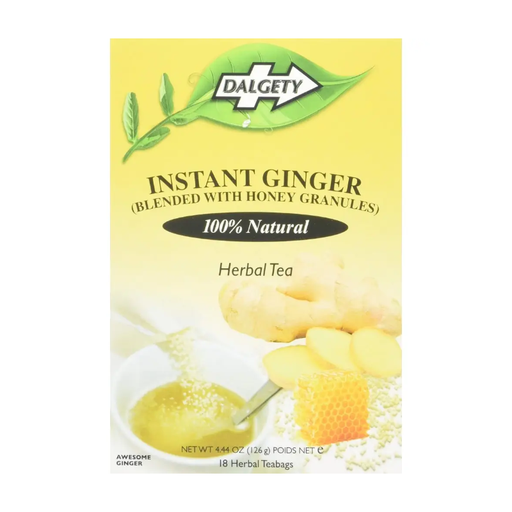
Dalgety Instant Ginger Tea, 126g
Choose this format if an instant ginger drink appeals more than steeping a tea bag. Check the preparation instructions, ingredients and nutrition panel to see whether it suits the drink you want with food.
View on Joybuy
 No image available
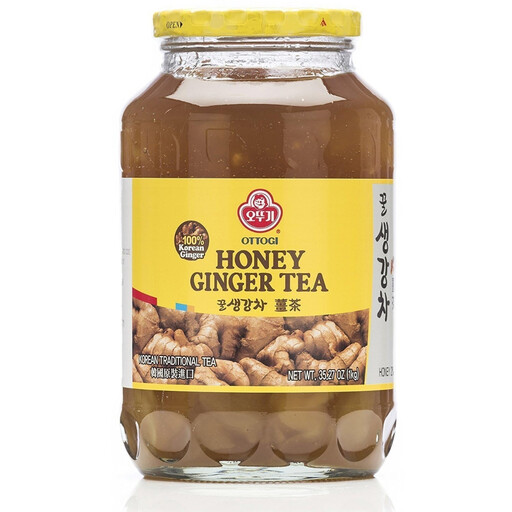
Otoki Ginger Tea, 1kg
The 1kg ginger tea format may appeal if you expect to make the drink regularly. Before choosing it for evening use, check its caffeine statement, ingredients and preparation directions on the exact product.
View on Joybuy
 No image available
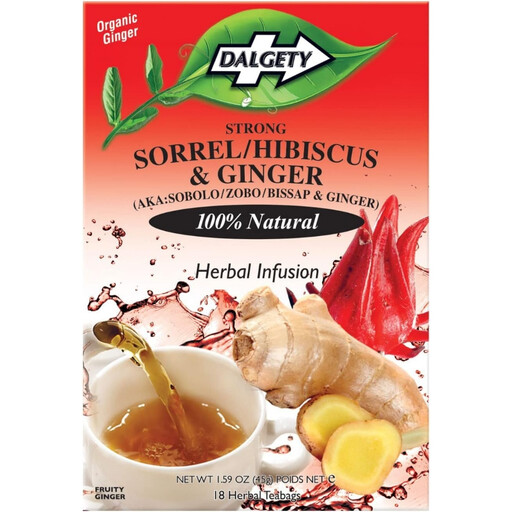
Dalgety Sorrel, Hibiscus & Ginger Tea, 45g
Consider this 45g tea if sorrel and hibiscus interest you as well as ginger. If a predominantly ginger-led cup is essential, check the ingredient list rather than judging its strength from the name.
View on Joybuy
Questions about strong herbal tea
Does more ginger in the blend mean a stronger-tasting tea?
Not necessarily: an ingredient percentage is not a measure of flavour in the finished cup. Twinings lists 70% ginger root in Spiced Ginger, Clipper lists 65% in Ginger & Turmeric, and Yogi Tea lists 41% in Ginger Orange with Vanilla. Use those figures to compare the named formulations, then consider their other ingredients and brewing instructions.
How should I brew a ginger herbal tea for a fuller flavour?
Start with the instructions for the exact blend and adjust only as they allow. Pukka Herbs gives a general infusion range of 5–10 minutes depending on the herbs in a blend, so one timing should not be assumed to suit every ginger tea.
Can a caffeine-free winter-spice tea be served with milk?
Yes, for a blend whose maker suggests it: teapigs describes its rooibos-based Spiced Winter Red as naturally caffeine free and suitable with or without milk. Check the exact product rather than assuming every ginger or fruit infusion has the same serving suggestion.
What should I check in a herbal tea if I have hypertension?
Check the ingredients for liquorice and read the product warning. Twinings Spiced Ginger and Yogi Tea Ginger Orange with Vanilla both contain liquorice and warn that people with hypertension should avoid excessive consumption.
Can I use a strong herbal tea to treat a symptom?
Choose it as a beverage, not a replacement for clinical care. Guy’s and St Thomas’ NHS Foundation Trust notes that herbal products may interact with conventional medicines; if you take prescribed medicines and are considering a herbal product for a symptom, ask the clinician or pharmacist involved in your care.


