
24/7 Customer Support

Free returns

Same-day & Next-day Delivery

Quality Guaranteed

Unlock Your Welcome Offers: FREE Delivery | Up to 80% OFF | Free 30-day JoyPlus trial
Download the APP
As a new or expectant parent, you quickly learn that nappy changes are a frequent, and often messy, part of your daily routine. Traditional changing mats, with their cold surfaces and fabric covers that require constant washing, can add to the workload. A modern wipe clean changing mat offers a practical solution, designed to make changes quicker, more hygienic and more comfortable for your baby.
This guide is designed to help you navigate the options available. We will explore the key features to look for, from materials to design, helping you find a mat that not only simplifies clean-ups but also supports your baby's comfort and well-being.
When selecting a changing mat, moving beyond the basic flat models can make a significant difference. Here are a few key considerations for UK parents.
The material of a changing mat directly impacts comfort and hygiene. Many modern options are now crafted from a high-quality foam baby changing mat material, such as PU (polyurethane) foam. Unlike cold, hard PVC, this material is warm to the touch, which helps prevent your baby from being startled during a nappy change. Furthermore, these mats are typically designed with a seamless, non-porous surface. This is a crucial feature for hygiene, as it leaves no crevices for germs to hide and allows for a simple, effective wipe-down after each use.
A baby's comfort is paramount, especially for a newborn changing mat. Some designs incorporate features specifically to help with common issues like reflux. An anti reflux changing mat features a gentle incline, which elevates your baby’s head and upper body. This position can help ease discomfort associated with colic and reflux. Additionally, look for mats with raised, cushioned sides. These act as a safety barrier to stop your baby from rolling and help to contain any unexpected messes, keeping the surrounding area clean and dry.
A changing mat can be more than just a surface for nappy changes. A sturdy, comfortable mat can also serve as a dedicated space for bonding. Look for a mat that is suitable as a tummy time mat, providing a supportive surface for your baby to strengthen their neck and back muscles. A lightweight and portable changing mat is also a great advantage, allowing you to easily move it from the nursery to the living room or take it with you when visiting family, ensuring you always have a clean, familiar space for your baby.
Based on features that prioritise hygiene, comfort and practicality, here are our recommendations.
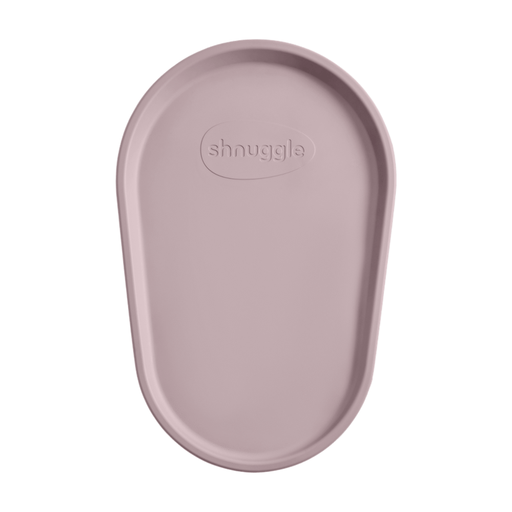
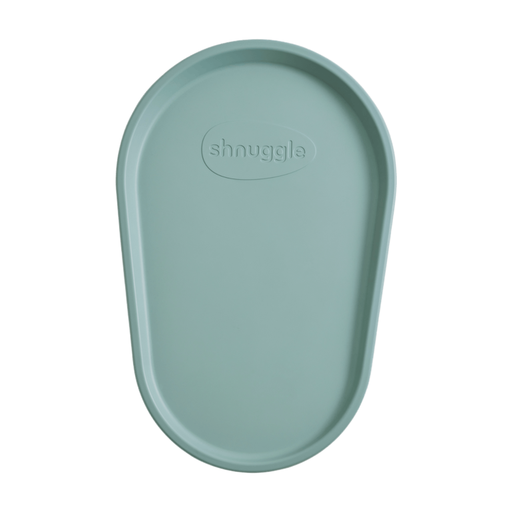
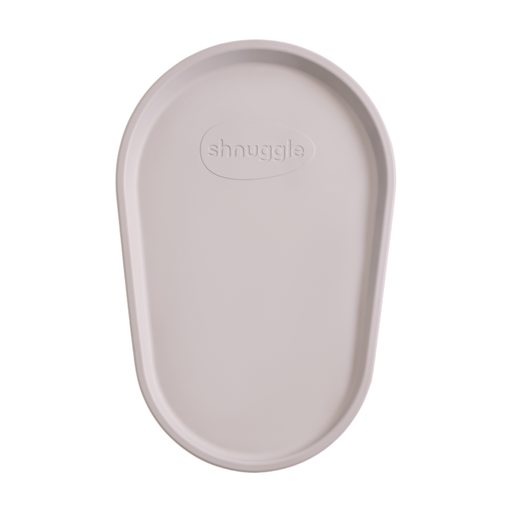
A comfortable changing experience is just one piece of the puzzle. Keeping your little one cosy and happy in soft, gentle clothing is just as important. For bottoms that are easy to pull on after a nappy change and are kind to delicate skin, explore our curated collection of baby essentials.
Discover our range of soft trousers for babies
Yes, high-quality foam changing mats are designed with newborn safety in mind. Look for models made from non-toxic, baby-safe PU foam that provides a firm yet cushioned surface. Always ensure the mat is placed on a flat, stable surface and never leave your baby unattended during use.
Cleaning is straightforward. After each use, simply wipe the surface with a soft cloth, warm water and a mild soap. Avoid using bleach or abrasive cleaning agents, as these can damage the waterproof surface. Allow the mat to air dry completely before its next use.
An anti reflux changing mat with a gentle incline can help by keeping the baby's head slightly elevated during and after changes, which may ease discomfort. According to Shnuggle, their design helps to ease colic and reflux. However, it is important to remember that a changing mat is not a medical device. If you have concerns about your baby's health, always consult a GP or health visitor.