
24/7 Customer Support

Free returns

Same-day & Next-day Delivery

Quality Guaranteed

Unlock Your Welcome Offers: FREE Delivery | Up to 80% OFF | Free 30-day JoyPlus trial
Download the APP
A wired gaming headset can deliver dependable game audio and voice chat without battery charging or wireless pairing. However, choosing the right model is not simply a matter of comparing driver size or spotting phrases such as “surround sound” and “noise cancelling”.
For UK gamers, the main buying risks are usually incorrect platform compatibility, uncomfortable designs and microphones that perform poorly in busy rooms. The following guide explains which specifications matter and matches several options to different types of user.
A headset may have a 3.5mm plug but still require a suitable controller, adapter or separate PC splitter. A single TRRS connection is generally suitable for devices with a combined headphone and microphone socket, while desktop PCs with separate audio and microphone ports may need a splitter.
USB models create a different limitation. A USB gaming headset may work well with a Windows computer but not necessarily with a console controller, mobile phone or Nintendo Switch in handheld mode. Always check the product’s listed compatibility before ordering.
Some headsets provide stereo audio while supporting software-based spatial technologies such as Windows Sonic, Dolby Atmos, DTS Headphone:X or Sony 3D Audio. Availability can depend on the platform, game, operating system and additional software or purchases.
A surround sound gaming headset is therefore not automatically delivering the same experience on every device. Look for clear information about whether the feature is built into the hardware or enabled through a compatible platform setting.
A heavy headset, tight headband or shallow ear cushions can become uncomfortable during a long session. Similarly, a microphone without a convenient mute function can be frustrating during multiplayer gaming or online meetings.
Features such as a flip-to-mute microphone, padded headband and over-ear cushions are practical rather than decorative. Check the weight, cushion material, microphone position and cable length before focusing on lighting or appearance.
For flexible use, a 3.5mm gaming headset is often the simplest option. It can connect to compatible PC, console, mobile and tablet sockets, with no charging required. A longer cable may be useful for desktop gaming, while a shorter cable can be easier to manage with a controller or handheld console.
Check whether the headset includes:
For multiplayer chat, a dedicated boom microphone generally gives more direct voice pickup than a basic in-line microphone. A noise-cancelling gaming headset may use passive isolation around the ears, microphone noise reduction or active noise cancellation. These are different features.
Microphone noise reduction aims to reduce unwanted sound in your outgoing voice signal. Active Noise Cancellation, or ANC, primarily reduces ambient sound that reaches your ears. Neither feature guarantees perfect voice clarity in every room.
An over-ear gaming headset should surround the ears without pressing against them. Synthetic leather cushions can help with sound isolation and bass response, while fabric or memory foam may feel more breathable for extended wear.
Weight is also worth comparing. For example, the Nacon RIG 300 PRO HN is listed at 233g, while the Logitech ASTRO A10 Gen 2 is approximately 246g without its cable. A lightweight gaming headset may be preferable for long gaming, study or work sessions, but headband adjustment and cushion depth remain important.
Look for objective details such as:
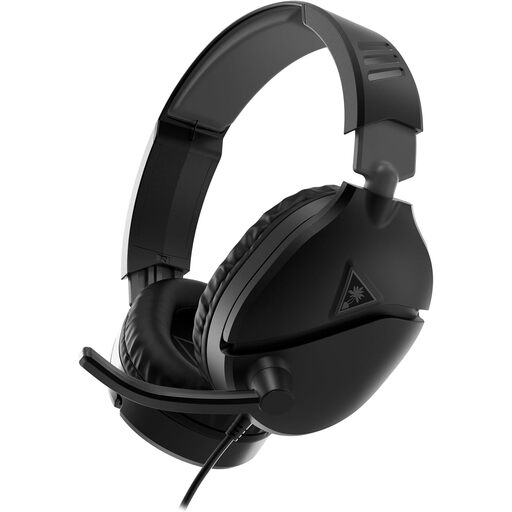
Why This Fits Their Persona: A straightforward choice for UK gamers beginning multiplayer play across PC and consoles, with a 3.5mm connection and included PC splitter.
It clearly uses a universal 3.5mm connection rather than relying on wireless pairing or charging.
40mm speakers, lightweight construction, flip-to-mute microphone and compatibility with PC, PlayStation, Xbox, Nintendo Switch and mobile devices.
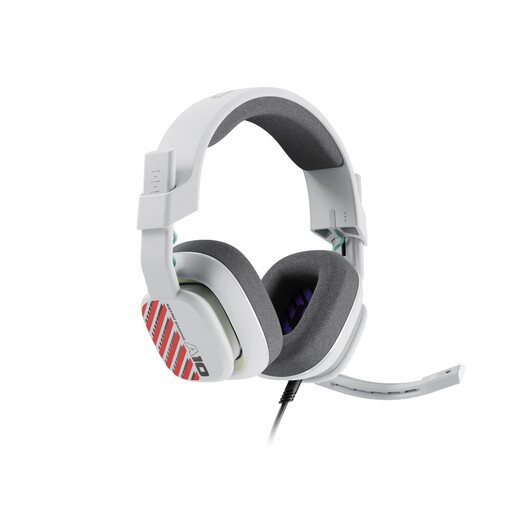
Why This Fits Their Persona: Suitable for frequent players who value a durable-feeling design, replaceable cushions and stable audio across several gaming platforms.
Its specifications identify the actual 3.5mm connection, removable cable and replaceable ear cushions instead of focusing only on audio labels.
32mm dynamic drivers, flip-to-mute microphone, approximately 246g weight and compatibility with PlayStation, Xbox, PC, Mac and Nintendo Switch.
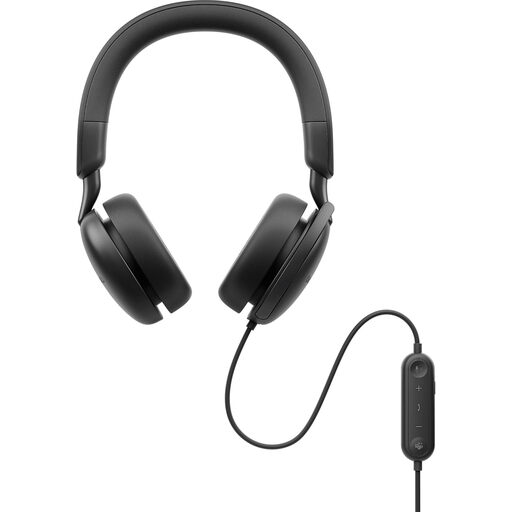
Why This Fits Their Persona: A practical option for users combining gaming, remote work and video calls in a shared home office or open-plan environment.
The listing distinguishes ANC for incoming sound from its AI-based microphone noise reduction, making the intended office use clearer.
USB-C wired connection with USB-A adapter, 40mm drivers, flip-to-mute boom microphone, transparency mode and replaceable memory foam cushions.
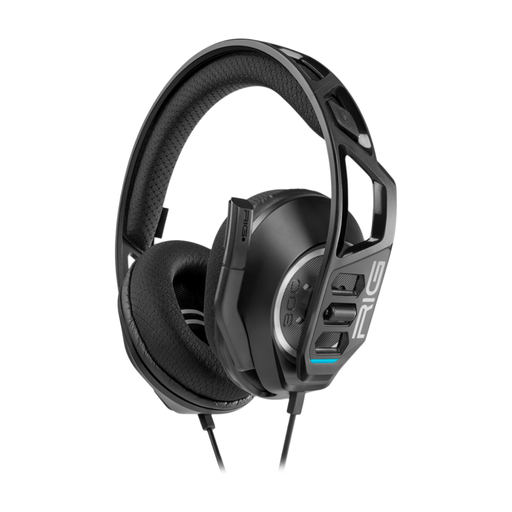
Why This Fits Their Persona: Well suited to Switch users, commuters and players who move between consoles, laptops and mobile devices.
Its 4-pole 3.5mm connection and stated platform list make compatibility easier to verify before purchase.
233g weight, 40mm drivers, memory foam ear cushions, passive noise isolation and a flip-to-mute boom microphone.
We have compiled a complete, real-time list of products that fully satisfy these strict selection criteria and UK safety regulations.
Many models work with both consoles through the controller’s 3.5mm headset socket. Check the product listing for the exact console generation and whether a PC splitter or additional adapter is needed.
They can be, provided the fit is appropriate. Compare the listed weight, earcup depth, headband padding and material. Take regular breaks and avoid using excessive volume for extended periods.
A standard 3.5mm headset does not require charging. USB models draw power from the connected device, although features such as lighting or active noise cancellation may depend on the available USB connection and software support.