
24/7 Customer Support

Free returns

Same-day & Next-day Delivery

Quality Guaranteed

Unlock Your Welcome Offers: FREE Delivery | Up to 80% OFF | Free 30-day JoyPlus trial
Download the APP
Wired headphones remain a practical choice for UK shoppers who want a direct connection, dependable call quality and no routine charging. From 3.5mm headphones for laptops and consoles to USB-C earphones for newer smartphones, the range is broad—but product descriptions can make similar-looking models seem interchangeable.
Before buying, it is worth checking the connection, wearing style, microphone design and volume controls rather than relying on phrases such as “premium sound” or “studio quality”. The right choice depends on whether you need wired earphones for commuting, over-ear headphones for home listening or wired headsets for work and gaming.
A 3.5mm connector is not the same as USB-A or USB-C. Some modern phones and tablets have no analogue headphone socket, while some USB-C ports support charging and data but may have limited audio compatibility.
Check:
A wired connection can reduce pairing issues, but it does not remove the need to confirm port compatibility.
“Noise cancelling” may refer to different things. A boom microphone with noise-reduction technology is designed to help your voice sound clearer on calls. Passive isolation comes from ear cups or ear tips physically reducing outside sound. Active noise cancellation uses powered electronics and may require a battery.
Many wired models listed as noise-cancelling headsets focus on microphone noise reduction or passive isolation rather than active cancellation. Read the specification carefully if you need quieter listening on a train or in a shared office.
Driver size, frequency range and Hi-Res labels do not determine comfort or sound quality on their own. Poorly fitting ear tips can weaken bass and affect call performance, while tight headbands can become uncomfortable during long study or gaming sessions.
For in-ear headphones, look for several tip sizes and an angled or ergonomic housing. For over-ear headphones, check ear-cup dimensions, padding, headband adjustment and overall weight. These details often have a greater effect on everyday use than a high-sounding marketing description.
Start with the device you use most. A fixed 3.5mm wired headset is versatile across many laptops, phones, tablets, handheld consoles and controllers, provided the port is present. A four-pole TRRS plug can carry stereo audio and microphone signals through one connection, although device support can vary.
USB models process audio digitally and can offer simple plug-and-play use on computers. The Logitech H540, for example, uses USB-A and is specified for Windows, macOS and ChromeOS. USB-C earphones are convenient for compatible phones and tablets, but check whether your device supports audio output through USB-C before ordering.
For long calls or online learning, adjustable headbands, padded cushions and a reasonable cable length can make a noticeable difference. A detachable cable may also simplify storage or replacement.
If you need headphones with microphone support, check whether the microphone is in-line, built into the cable or positioned on a boom. Boom microphones are generally easier to position near the mouth, while in-line microphones are less obtrusive for commuting.
Useful controls include volume adjustment, play/pause, call answer and microphone mute. On gaming headsets, a flip-to-mute microphone can be convenient during matches. Remember that microphone noise cancellation usually improves voice pickup; it does not necessarily make the listener’s surroundings quieter.
For children, consider a volume-limited design rather than relying only on parental supervision. The Lexibook Unicorn headphones in this selection specify an 85 dB volume limit, a 3.5mm connection and suitability from age four. Parents should still supervise use, keep listening sessions sensible and follow the product’s warnings.
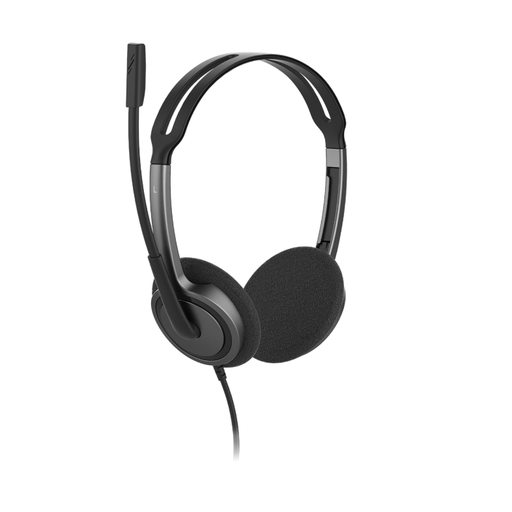
Why This Fits Their Persona: A straightforward option for home working, online learning and everyday calls where simple 3.5mm plug-and-play operation matters.
Its compatibility, 1.8m cable and clear specification reduce uncertainty around setup and desk use.
72.5g stated weight, adjustable headband, rotating noise-reducing microphone and 2-year warranty.
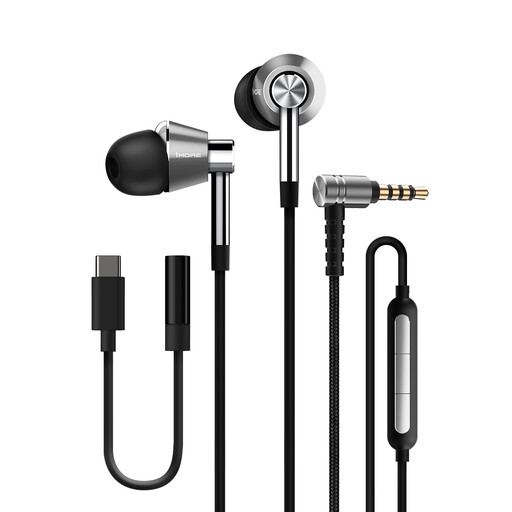
Why This Fits Their Persona: Suitable for listeners prioritising a detailed wired in-ear design, included fit options and an integrated microphone for calls.
Nine sets of ear tips help address the common fit problem that can affect bass response and call pickup.
Two balanced armatures plus a dynamic driver, in-line controls, MEMS microphone and travel accessories.
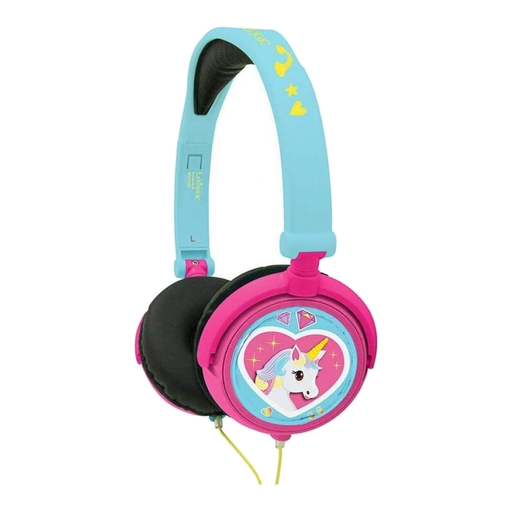
Why This Fits Their Persona: Designed for children aged four and above, school bags, holidays and devices with a 3.5mm headphone jack.
The listed 85 dB volume limit provides a clear specification to check instead of relying on vague child-safe wording.
Adjustable headband, lightweight portable construction and standard 3.5mm compatibility.
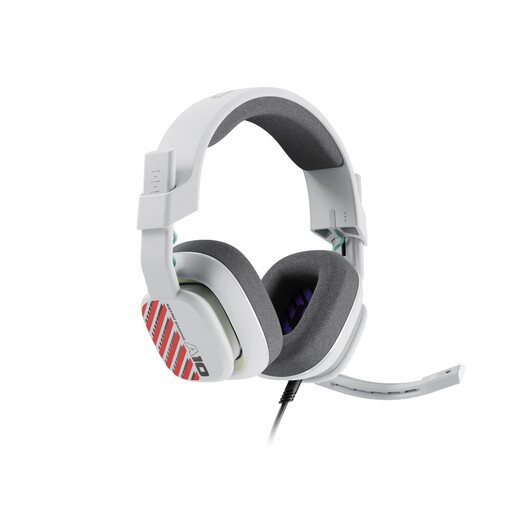
Why This Fits Their Persona: A wired gaming headset for PlayStation, Xbox, PC, Mac and Nintendo Switch users seeking a stable connection and boom-mic controls.
The specified 3.5mm connection avoids wireless pairing and battery dependence, while platform compatibility is clearly listed.
32mm dynamic drivers, flip-to-mute unidirectional microphone, closed-back over-ear design and replaceable cushions.
We have compiled a complete, real-time list of products that fully satisfy these strict selection criteria and UK safety regulations.
Wired headphones usually have no rechargeable battery, so they do not need charging or battery replacement. Their main long-term wear points are the cable, plug, ear tips, cushions and microphone joint. Avoid pulling the cable, store earphones without tight bends and disconnect by holding the plug rather than the wire.
For USB headphones, running costs are generally limited to the electricity used by the connected device. Some models include lighting or additional electronics, which may draw more power than a basic analogue headset. If portability is important, a detachable cable or compact USB-C earphone design can reduce replacement costs and simplify storage.
Only if the phone has a suitable 3.5mm socket or compatible USB-C audio output. If using an adapter, check whether it supports audio and microphone signals, not just charging.
They can avoid battery ageing, but cable and connector damage remain common failure points. Careful storage, strain relief and replaceable cables or cushions may help extend usable life.