
24/7 Customer Support

Free returns

Same-day & Next-day Delivery

Quality Guaranteed

Unlock Your Welcome Offers: FREE Delivery | Up to 80% OFF | Free 30-day JoyPlus trial
Download the APP
In a world saturated with wireless gadgets, the humble wired headset remains the go-to choice for those who prioritise reliability, zero-latency audio and uninterrupted power. Whether you're a competitive gamer, a remote professional on back-to-back calls, or a student needing to focus, a solid wired connection is dependable.
However, the market is filled with options that look great on the box but fail to deliver. Many UK buyers find themselves disappointed by flimsy construction or misleading technical claims. Before you make a purchase, it's crucial to understand the common pitfalls that lead to wasted money and frustration.
As your Joybuy Product Recommendation Officer, my role is to help you navigate these choices. Here are the key issues to watch out for:
To avoid these traps, focus on a few core parameters that define a quality wired headset. Understanding these will ensure you get a product that meets your needs for performance and longevity.
The connector is your headset's lifeline. The choice between a 3.5mm jack and a USB plug depends entirely on your primary devices.
For anyone using their headset for communication, the microphone is just as important as the speakers. Look for a noise cancelling headset microphone, which uses technology to isolate your voice from ambient sounds like keyboard clicks or background chatter.
A boom microphone (an adjustable arm) is generally better than an inline mic (built into the cable) for voice clarity, as it can be positioned closer to your mouth. A "flip-to-mute" function is a highly practical feature, allowing you to instantly mute yourself by simply flipping the microphone arm up.
The physical design dictates both comfort and sound quality.
We've selected a few models that align with specific user needs, helping you find a reliable match while avoiding the common purchasing traps.
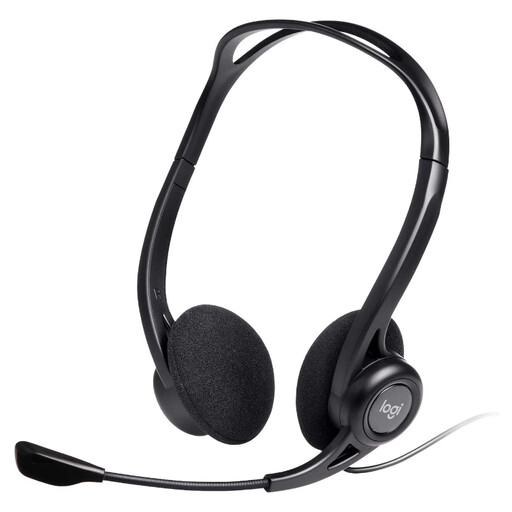
Why This Fits Their Persona: This headset is purpose-built for the UK professional working from home or in an office. It prioritises call clarity and ease of use, with a long 2.4-metre cable that allows for movement during calls.
Its USB-A connector provides a simple, driverless setup on any PC or Mac, completely avoiding the 3.5mm splitter maze. It also clearly specifies a noise-cancelling microphone, setting accurate expectations.
Features convenient in-line controls for volume and mute. The adjustable boom mic ensures your voice is captured clearly during important meetings.
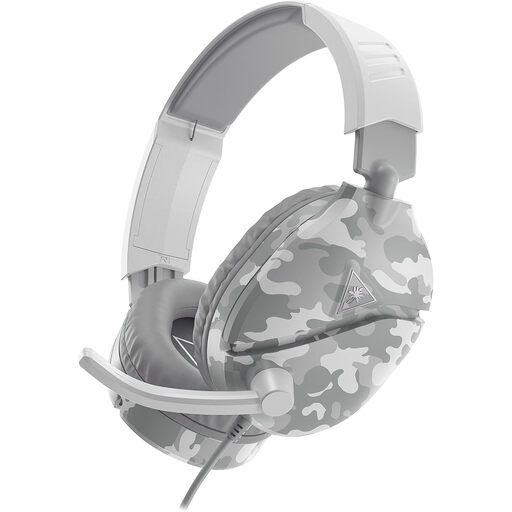
Why This Fits Their Persona: Perfect for the UK gamer who switches between a PlayStation, Xbox and PC. Its 3.5mm connection plugs directly into modern controllers and devices, offering a single, reliable audio solution for all their gaming needs.
The over-ear design with synthetic leather cushions provides good passive noise isolation, avoiding the vague "noise-cancelling" claims of lesser models. Its build is from a reputable gaming brand, designed to withstand long gaming sessions.
Features a high-sensitivity flip-to-mute microphone for clear chat and instant privacy. The 40mm speakers are optimised for gaming audio, delivering crisp highs and deep bass.
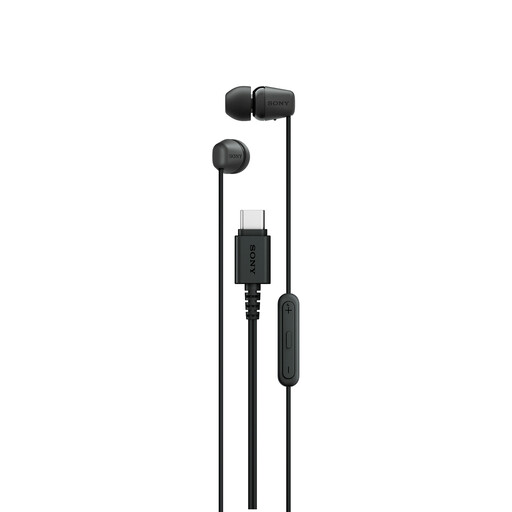
Why This Fits Their Persona: An ideal choice for anyone with a modern smartphone or tablet that has ditched the 3.5mm jack. These are lightweight, portable and provide a direct, high-quality digital connection for music and calls on the move.
The dedicated USB-C connector eliminates any compatibility guesswork or the need for fragile adapters. The cable is designed for daily use, addressing the primary failure point of many cheap earbuds.
Offers simple plug-and-play functionality with a built-in microphone and in-line controls for managing calls and audio. The ergonomic in-ear design is comfortable for extended listening.
We have compiled a complete, real-time list of products that fully satisfy these strict selection criteria and UK safety regulations.
It depends on your PC. Many modern desktop and laptop PCs have a single, 4-pole 3.5mm combination port (marked with a headset icon) that accepts both audio output and microphone input from a single plug. However, older or custom-built gaming PCs often have two separate 3-pole ports: one for headphones (usually green) and one for the microphone (usually pink). If your PC has two ports, you will need a "Y-splitter" cable to use a headset with a single 3.5mm plug.
With proper care, a well-made wired headset should last for several years. The lifespan is primarily determined by its build quality. Look for models with durable materials, such as a flexible metal-reinforced headband and a thick or braided cable. The most common points of failure are the cable connections, so avoid wrapping the cord too tightly or putting stress on the plugs.
Both have their advantages. A 3.5mm headset offers greater versatility, as it can be plugged into console controllers, PCs and mobile devices. A USB headset can offer more consistent audio quality as it bypasses the motherboard's potentially noisy onboard audio and it can power extra features like virtual surround sound or RGB lighting without needing separate power. For competitive PC gamers, a USB connection is often preferred for its reliability, while console gamers will find the 3.5mm jack more convenient.