What matters when choosing
Check fit and isolation first, then decide whether tuning, long-wear comfort or a dependable connection is your main remaining priority. The right balance depends on which of those needs you would put first during the flight.
| Concern | What to check | Who this matters to |
|---|
| Cabin-noise isolation |
Try the supplied tip sizes for a secure, comfortable seal; assess any isolation claim for the exact model. |
If cabin noise makes bass notes difficult to follow, I want a seal that helps without continually raising the volume. Roughly 29% of consumers put isolation and listening level first. |
| Balanced tuning |
Look for a flat or balanced tuning description, and listen to a familiar track if you can. |
When working out a chord, I would rather hear the relationships between notes than choose an earphone for prominent bass. Around 29% of consumers place that tonal balance first. |
| Long-wear fit |
Consider tip options, shell fit and whether the cable can route comfortably over the ear. |
For hours of listening, I need a stable seal that does not become painful. Approximately 24% of consumers prioritise sustained comfort and fit. |
| Connection and upkeep |
Match the source plug and any adapter; if the cable detaches, check its exact connector type. |
If I am relying on one travel kit, I want its connection tested and any spare cable to fit the model. Roughly 18% of consumers make connection and serviceability their primary concern. |
Wired earphones on Joybuy
These wired in-ear choices offer different source connections and fit options for travel listening. Check the seal and your audio source before relying on any of them for working out chords in a noisy cabin.
 No image available
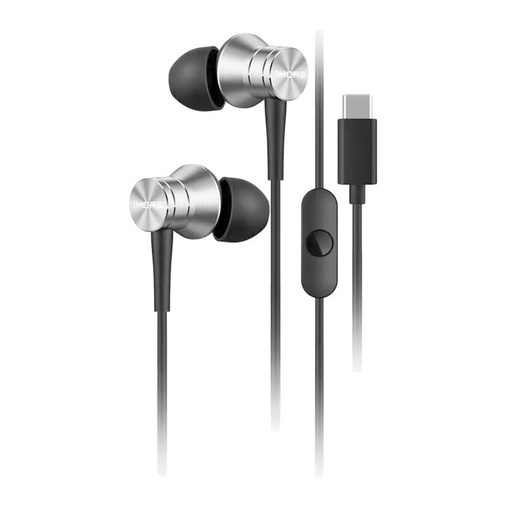
1MORE Piston P10 Type-C wired earphones, silver
Consider these for chord listening from a compatible Type-C audio source. Check the fit before relying on the earphones to reduce cabin noise, and confirm the connection you would use for seat-back audio.
View on Joybuy
 No image available
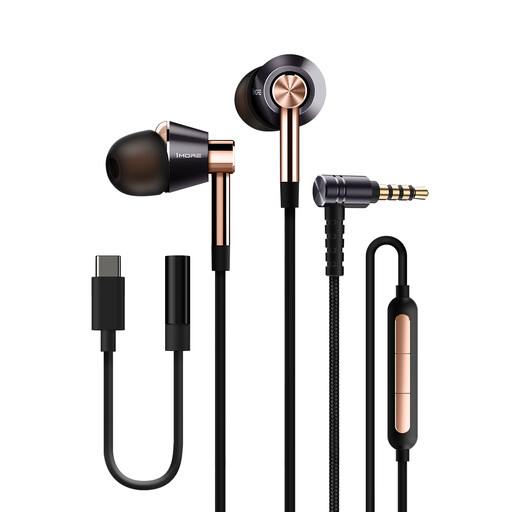
1MORE E1001 Triple Driver wired earphones, gold
These are a wired in-ear option for trying to follow musical detail while travelling. The product name specifies a triple-driver design, but that alone does not establish how clearly chords will come through; confirm the source plug and assess the fit and tuning for your needs.
View on Joybuy
 No image available
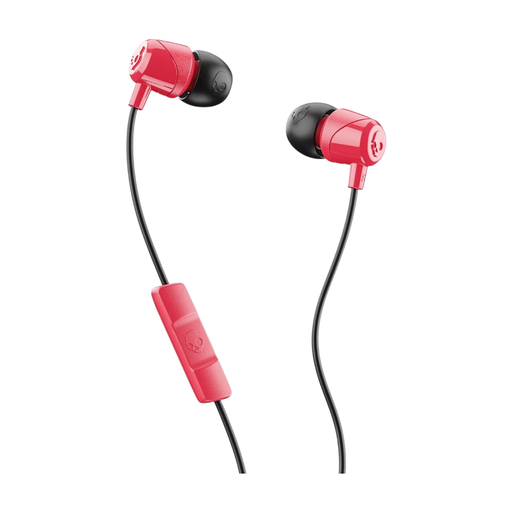
Skullcandy Jib 3.5 mm wired earphones, red
These suit a travel kit with a compatible 3.5 mm headphone output. If identifying chord roots is the priority, check whether their fit and sound balance let you follow the bass line clearly in cabin noise.
View on Joybuy
 No image available
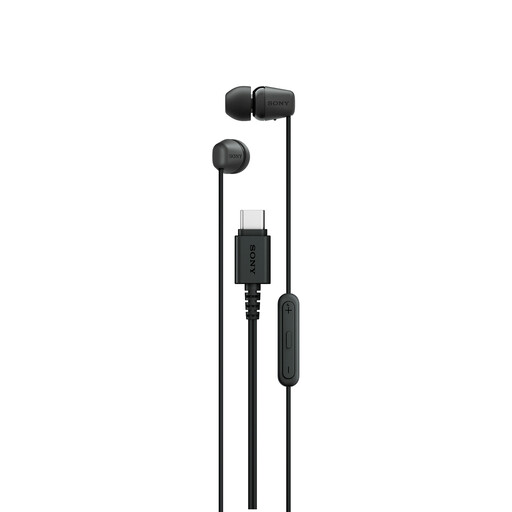
Sony IER-EX15C USB-C wired earbuds, black
These are an option for listening from a compatible USB-C audio source. Before choosing them for a long flight, check whether the fit gives you a comfortable seal and whether your intended seat-back connection can use USB-C audio.
View on Joybuy
Frequently asked questions
Do I need active noise cancellation to work out chords on a flight?
No: active noise cancellation is not a requirement for chord listening. A well-fitted passive in-ear monitor can reduce outside sound; Etymotic claims 35–42 dB of passive attenuation for its ER2SE, but your seal and comfort still matter. Choose a tuning that lets you follow note relationships rather than assuming isolation alone will do the job.
Why do bass notes become harder to follow when an ear tip is loose?
A loose tip can reduce low-frequency response, making bass notes and chord roots less distinct. Shure notes this effect in its SE215 guide. Try the supplied tip sizes and follow the maker’s fitting instructions without forcing a tip into your ear.
Will a wired IEM work with both my phone and the plane’s entertainment system?
It will work with both only if each audio output matches the earphones’ plug or a suitable adapter. For example, Sennheiser specifies a 3.5 mm plug for the IE 200, while a device without that headphone output needs a compatible audio connection. Check the seat-back connector separately and test your adapter before travelling.
What should I check before packing wired earphones for a flight?
Check your airline’s current cabin instructions as well as the connections needed for your listening device and seat. GOV.UK advises travellers that airlines can apply different restrictions to electronic devices, so confirm the rules for your complete travel setup rather than assuming every flight has the same requirements.
Should I turn up the volume when cabin noise hides part of a song?
Try improving the ear-tip seal before increasing the volume. The World Health Organization advises well-fitted headphones in noisy situations to reduce the need to turn sound up; for a long session, take breaks and use listening-level monitoring if your device provides it.


