Shared-room detail listeners
If someone else is using the bedroom while you follow solos, accompaniment and rhythmic interplay, a comfortable seal and passive isolation matter more than simply turning up the volume.


Choose a wired in-ear monitor that seals comfortably before comparing its published isolation figures: a dependable seal can reduce bedroom distractions without relying on higher volume, but no attenuation figure guarantees your personal result. Then decide whether a stated flatter tuning suits your close study of instrumental lines, or whether a musician-oriented design better matches your fit and cable preferences; check the plug against your playback device before buying.
If someone else is using the bedroom while you follow solos, accompaniment and rhythmic interplay, a comfortable seal and passive isolation matter more than simply turning up the volume.
If you replay passages to examine phrasing and instrumental balance, consider the exact model’s stated tuning rather than assuming that stronger bass will make musical detail easier to judge.
If you study repeatedly, prioritise a stable fit and tip options you can wear without persistent pressure; a published isolation figure cannot tell you whether a housing will suit your ears.
For jazz study in a shared bedroom, work out whether distraction, tonal presentation or wearing comfort is your main obstacle, then check the connection to your study device.
| Concern | What to check | Who this matters to |
|---|---|---|
| Passive isolation and seal | Compare supplied tip sizes and materials, and check the seller’s terms for trying the fit. | If nearby activity interrupts a solo, I want a comfortable seal before I consider more volume. Around 36% of consumers put shared-room isolation first. |
| Tonal presentation | Check the exact model’s stated tuning direction; a frequency-response range alone does not establish how it sounds. | When I replay a passage to follow individual lines, I care most about a presentation suited to close analysis. Roughly 29% of consumers prioritise that tonal question. |
| Long-session comfort | Look at housing shape, cable routing and tip choices, and stop using a fit that causes pain or persistent irritation. | For repeated study sessions, I need the earpieces to stay put without uncomfortable pressure. Around 21% of consumers place wearing comfort first. |
| Device and cable compatibility | Confirm the supplied plug, your device’s audio output and any detachable-cable connector before ordering accessories. | If my study device lacks a matching socket, I need to resolve that connection before the earphones are useful to me. About 14% of consumers make compatibility their primary concern. |
Shure explains that isolation varies with ear-canal shape, sleeve choice, earphone model and fit. A poor seal can leave distractions audible and alter perceived bass.
Check the seller’s return terms, try the supplied tip sizes and judge isolation only once the fit is comfortable.
Sound isolation for music study does not establish that an in-ear monitor is suitable protection against hazardous noise.
Choose protection appropriate to the hazardous-noise setting rather than relying on an ordinary listening IEM.
Louder listening does not fix an uncomfortable or poorly sealed earpiece. Royal Free London NHS Foundation Trust advises limiting listening volume and time.
Try to improve the seal or reduce background noise, use only the volume needed to hear comfortably and take breaks.
A wired model still needs an audio connection that matches your phone, tablet, laptop or other playback device. A detachable replacement cable must also have the right connector for the earpieces.
Check the supplied plug and device output before ordering, including whether a compatible audio adapter is needed.
An adapter or compatible replacement cable may be an additional item to obtain.
These model lines illustrate different fit, isolation and tuning questions; their published specifications are not guarantees of personal comfort or sound preference.
The wired SE215 is a single-driver monitor with over-ear routing, a detachable MMCX cable and supplied foam and flex sleeves.
Etymotic positions the wired ER2SE around a flat frequency response and passive isolation.
The wired IE 100 PRO is a dynamic-driver model specified for monitoring use.
The Pro X10 is a compact single-balanced-armature musician monitor.
These wired in-ear earphones are options for private jazz study. Check the seal, playback-device connection and sound preference rather than assuming either is a flat-reference monitor.
 No image available
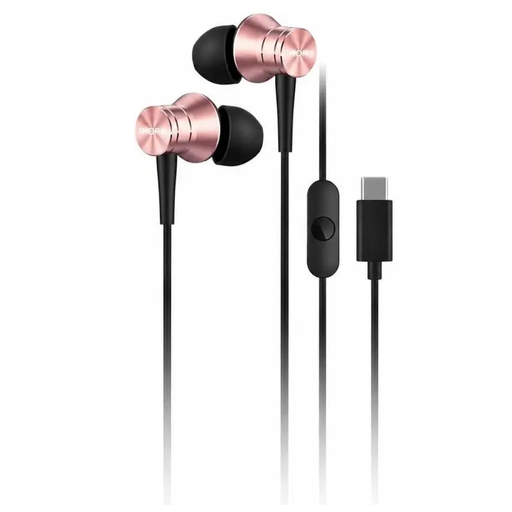
For private listening to jazz recordings, consider this wired in-ear option if its fit works for you.
Its Type-C connection requires a device that supports USB-C audio output. Check the bundle contents and whether its sound suits close analysis before buying.
 No image available
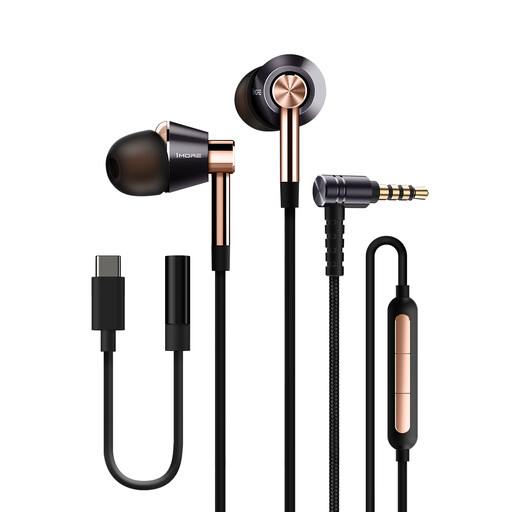
For studying jazz in a shared room, consider this wired in-ear option if you can establish a comfortable seal.
Check its plug against your study device and assess its fit and tuning for your listening goal; the model name alone does not establish a flat response.
No. A model that seals comfortably may be more useful to you than one with a higher published figure but a poor fit. Shure notes that ear-canal shape, sleeve choice, model and fit all affect isolation.
A good seal can reduce the temptation to raise volume over room noise, but it does not make loud or prolonged listening risk-free. Royal Free London NHS Foundation Trust advises keeping music at no more than 60% of maximum volume and limiting headphone use to an hour at a time.
Only if its supplied plug matches an audio output your device supports. Check the exact connector and any adapter requirement; for example, a Type-C earphone needs a device that supports USB-C audio output.
Do not treat an ordinary listening IEM as protection for hazardous noise. Shure says its sound-isolating earphones are not intended as hearing-protection devices; use protection appropriate to the setting instead.
Contact the trader promptly and keep your order details. The UK Consumer Rights Act 2015 provides a short-term right to reject goods that do not conform to the contract when its conditions apply; a retailer’s policy on change-of-mind returns for opened in-ear products is a separate question.