Cable-free aim practisers
If a cable gets in the way of flicks or tracking, a rechargeable 2.4 GHz mouse keeps it off the desk during play. Allow for a USB receiver and periodic charging, then assess the mouse’s shape and weight for your grip.


Limited wall sockets do not automatically make a wired mouse the right choice: check whether the constraint is a mains socket or a computer USB port. Choose rechargeable 2.4 GHz wireless if you want cable-free aim practice and can charge periodically; consider dual-wireless with Bluetooth if preserving a USB port matters outside shooter sessions, or wired if avoiding all battery upkeep matters more. Your available ports, grip comfort and the battery-life figure at your chosen polling rate still affect the decision.
If a cable gets in the way of flicks or tracking, a rechargeable 2.4 GHz mouse keeps it off the desk during play. Allow for a USB receiver and periodic charging, then assess the mouse’s shape and weight for your grip.
If you need a port for another device, a dual-wireless mouse can use Bluetooth with a compatible laptop outside shooter sessions. Its separate 2.4 GHz mode still needs a receiver when you choose that connection for play.
A wired mouse avoids both charging sessions and replaceable batteries. It needs a computer USB port throughout use, so check that its cable can be routed clear of your aiming area.
Check mains sockets and computer USB ports separately. Then decide whether unrestricted mouse movement, a free USB port or avoiding battery upkeep matters most to your practice setup.
| Concern | What to check | Who this matters to |
|---|---|---|
| Cable-free aiming | Look for a dedicated 2.4 GHz mode and check battery life at your intended polling rate. | I want space for wide flicks without a cable crossing the desk, and I can charge between sessions. Around 31% of consumers would put cable-free movement first. |
| USB-port availability | Count usable USB ports and check Bluetooth compatibility if you want a connection without the mouse receiver. | My laptop ports are needed for other devices, though I still want a separate connection option for shooter practice. Roughly 31% of consumers would prioritise preserving a USB port or switching between devices. |
| Charging interruptions | Check whether the mouse uses replaceable batteries and which conditions apply to its runtime claim. | I would rather replace a battery than stop to recharge, even if that means keeping spares and disposing of used batteries properly. Around 23% of consumers would make avoiding charging their primary concern. |
| Wired simplicity | Check for an available computer USB port and enough cable clearance for your usual mouse movements. | I want to practise without monitoring a battery, and I can accommodate a cable on my desk. Roughly 15% of consumers would put battery-free wired use first. |
A 2.4 GHz wireless mouse uses a receiver at the computer, while a rechargeable mouse also needs a suitable USB connection for charging. Going wireless does not necessarily free a USB port.
Count your computer’s USB-A and USB-C ports. If those are scarce, check whether a dual-wireless mouse and your computer support Bluetooth for the times you do not need its 2.4 GHz mode.
Razer rates the Viper V3 Pro for up to 95 hours at 1,000 Hz but up to 17 hours at 8,000 Hz. The longer figure should not be used to plan sessions at the higher setting.
Compare runtime figures at the polling rate you expect to use, and decide whether the charging interval fits your practice routine.
A shorter interval can mean more frequent charging between sessions.
SteelSeries offers Bluetooth and a separate 2.4 GHz mode on the Rival 3 Wireless. Bluetooth can save a USB port on a compatible computer; the 2.4 GHz mode uses the mouse receiver.
Decide which mode you intend to use for shooter practice, and confirm that your computer supports the required connection.
UK government consumer guidance says electrical products and batteries marked with the crossed-out wheelie-bin symbol should be recycled rather than put in household rubbish.
Use an appropriate battery collection point for removable batteries and check local electrical recycling or retailer take-back options for the mouse.
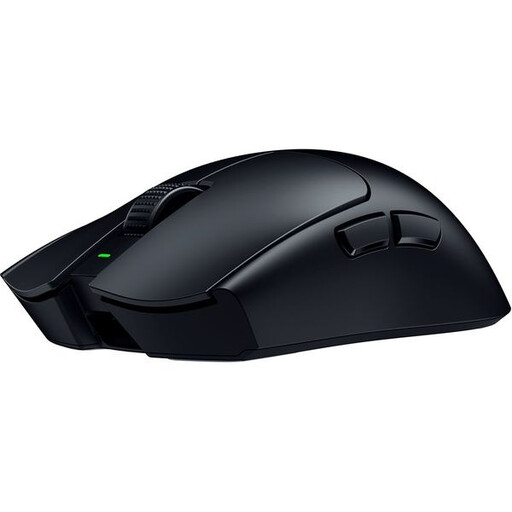
The Viper V3 Pro is a rechargeable option for cable-free practice, with wired and 2.4 GHz-dongle modes.
The G PRO X SUPERLIGHT 2 is a rechargeable LIGHTSPEED wireless option for buyers who can accommodate a receiver and periodic USB charging.
The Rival 3 range illustrates two different upkeep choices: a battery-powered dual-wireless model and a wired model without battery maintenance.
These mice offer wireless options for aim practice, including rechargeable models and a replaceable-battery option. Compare their connection and charging arrangements against the ports available on your computer.
 No image available
Consider this model if you want cable-free practice but can use a receiver and charge the mouse periodically.
Razer lists the black model at 54 g, with wired and 2.4 GHz-dongle modes. Its rated runtime is up to 95 hours at 1,000 Hz or up to 17 hours at 8,000 Hz.
Check that its shape suits your grip and that a computer USB port is available for the receiver.
 No image available
This is an option if you want to preserve a laptop USB port with Bluetooth at some times and use a receiver connection at others.
Check that your computer supports the connection you plan to use. The 2.4 GHz receiver needs a USB port, and replaceable batteries bring a different upkeep routine from recharging.
Confirm the battery and any converter contents before choosing this configuration.
 No image available
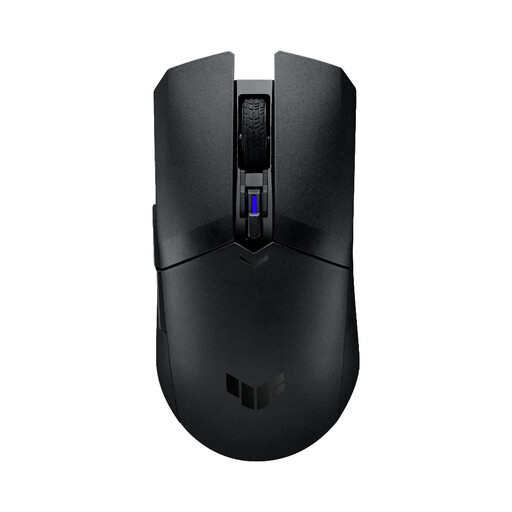
Consider this rechargeable mouse if you want a cable-free aiming area and space for its charging base.
The product name specifies 56 g, 2.4 GHz and wired modes, and an 8 kHz polling-rate option. Its receiver needs a computer USB port.
Check the charging-base and cable arrangement, your grip fit and the exact maximum DPI before purchase.
 No image available
This model suits a setup where you want to switch between wireless use and a USB-C wired connection, with room for a charging dock.
Its product name specifies Bluetooth, 2.4 GHz and USB-C modes. The 2.4 GHz connection needs a receiver and computer USB port.
Check that the dock arrangement suits your desk and confirm the exact weight and hand fit before choosing it.
 No image available
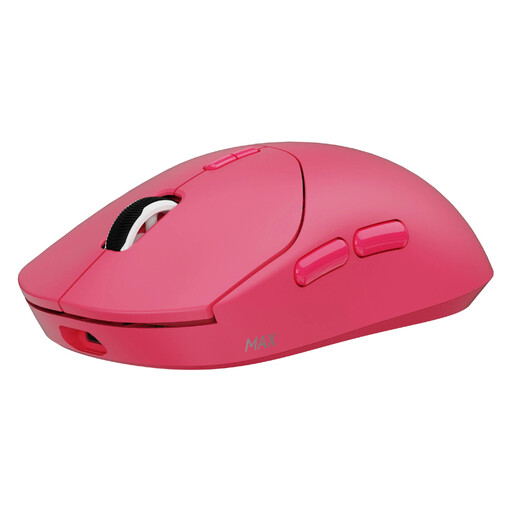
Consider this rechargeable wireless model if keeping a cable off the aiming area is your priority.
The product name lists 53 g and an 8 kHz wireless polling-rate option. Its battery claim is up to 750 hours under the stated 1,000 Hz low-power conditions, which require a driver update.
Confirm the receiver connection, computer compatibility and runtime at the setting you intend to use.
No: a wired mouse is useful if you want no battery upkeep, but it still uses a computer USB port. If ports rather than wall sockets are scarce, check whether a compatible dual-wireless mouse could use Bluetooth when you do not need its separate 2.4 GHz receiver mode.
Yes, Razer lists both wired and 2.4 GHz-dongle wireless modes for the Viper V3 Pro. Check that the cable and available computer port suit your charging and wired-use setup.
Not automatically: a higher setting can substantially shorten rated battery life on a rechargeable mouse. Razer rates the Viper V3 Pro for up to 95 hours at 1,000 Hz but up to 17 hours at 8,000 Hz, so plan charging around the setting you actually expect to use.
Use an appropriate electrical recycling route for the mouse and a battery collection route for removable batteries. UK government consumer guidance says electrical products and batteries marked with the crossed-out wheelie-bin symbol should not be put in household rubbish; check local collection or retailer take-back options.