
24/7 Customer Support

Free returns

Same-day & Next-day Delivery

Quality Guaranteed

Unlock Your Welcome Offers: FREE Delivery | Up to 80% OFF | Free 30-day JoyPlus trial
Download the APP
Choosing wireless Bluetooth earbuds and headphones involves more than comparing prices and star ratings. A low-cost pair may look attractive but disappoint on call quality, comfort or battery performance. Meanwhile, a premium model may include features you rarely use.
For UK commuters, home workers, students, travellers and fitness users, the right choice depends on where and how the headphones will be used. The following guide highlights common buying traps, explains the specifications that matter and matches selected products to different listening needs.
A listing may advertise 40, 55 or 75 hours of playback, but the figure may include multiple recharges from the case or may apply only with noise cancellation switched off. Earbuds usually quote listening time per charge and a separate total figure with the charging case.
Before buying, check:
A pair described as having long battery life may still need frequent charging if your daily routine involves calls, commuting and music throughout the day.
ANC headphones use microphones and electronic processing to reduce external sound, particularly steady low-frequency noise such as train or aircraft engine rumble. ENC call noise cancellation, on the other hand, is generally designed to help the microphone separate your voice from surrounding sound during calls.
ENC can improve voice pickup without providing the same listening isolation as active noise cancellation. If you want quieter music during a train journey, look for ANC. If your priority is clearer calls from a busy office, multiple microphones and ENC may be more relevant.
Passive fit also matters. In-ear wireless headphones with well-fitting ear tips can block some sound without using battery power, while over-ear Bluetooth headphones rely on cushioned earcups to create a seal.
An IP rating should be treated as a specific protection classification, not a general guarantee that a product can be used anywhere. For example, IPX5 typically refers to resistance against water jets, while IPX7 refers to temporary immersion under defined laboratory conditions.
Even waterproof wireless earphones should not be charged while wet. Sweat, rain, salt water and chlorinated water can affect long-term durability. Always check the product instructions and close charging ports or covers properly.
Bluetooth 5.4 headphones can offer efficient, modern connectivity, but the version alone does not guarantee better sound or stronger range. Also check whether the product supports multipoint pairing, low-latency playback or wired listening.
Multipoint is useful if you move between a laptop and phone. Low-latency modes may help with gaming and video, although performance depends on both the headphones and the source device. Bluetooth 6.0 appears on some newer products, but compatibility and actual supported codecs remain more important than the number alone.
Terms such as Hi-Fi stereo sound, “deep bass” and “high-definition decoding” describe intended audio positioning rather than a universal listening result. Consider whether the listing states:
Audiophile wireless headphones may offer wider codec support, EQ adjustment or lossless USB audio. However, the phone or computer must also support the relevant feature for it to work.
For earbuds, examine the shape, supplied ear tips, stem or semi-in-ear design and charging-case size. Touch-control earbuds are convenient, but accidental taps can occur when adjusting them or wearing gloves.
For over-ear headphones, look for the weight, headband construction, earcup padding, folding mechanism and pressure around the ears. A lightweight model may be more comfortable for commuting, while deeper cushions can be preferable for extended study or travel sessions.
Also check the control layout. Physical buttons can be easier to operate in cold weather, whereas touch controls offer a smooth surface and quick access to playback or calls.
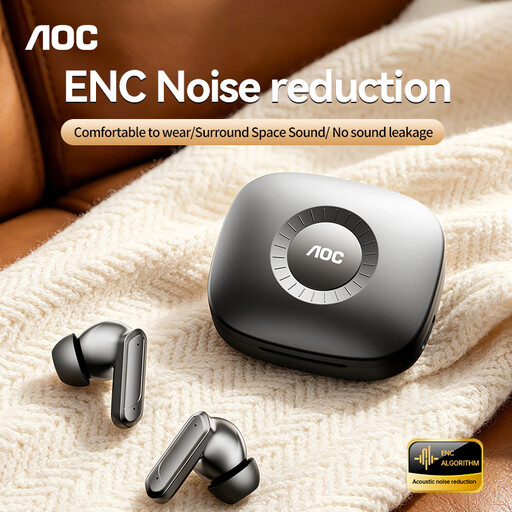
Why This Fits Their Persona: A practical starting point for commuting, study, everyday music and routine calls without moving to a larger over-ear design.
The listing separates ENC call noise cancellation from general noise cancellation and states Bluetooth 5.4 and Type-C charging, making key specifications easier to assess.
Hi-Fi high-definition decoding, touch controls, 3D surround sound and a stated 20-hour standby figure.
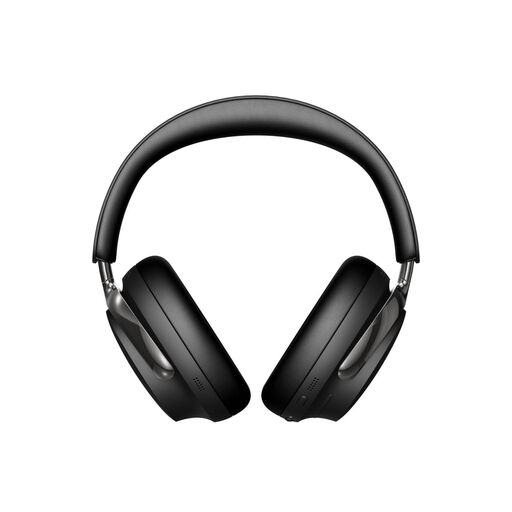
Why This Fits Their Persona: Suited to listeners prioritising advanced noise control, comfortable over-ear construction and detailed music for travel or home listening.
The specification lists separate listening modes, multipoint pairing and battery figures for standard and immersive audio use.
USB-C charging, included audio cable, carry case, adjustable app controls and a stated up-to-30-hour Quiet/Aware battery figure.
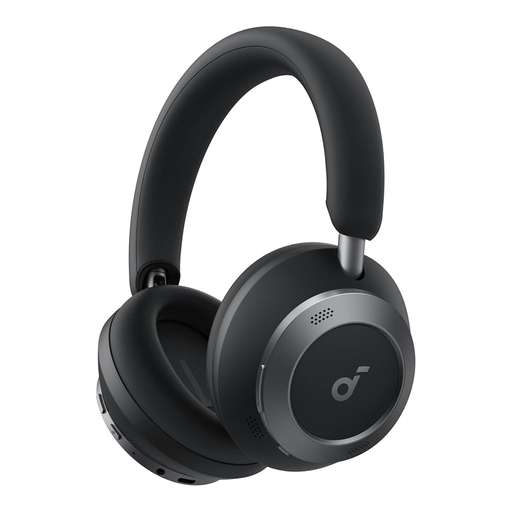
Why This Fits Their Persona: A travel-focused option for long-haul journeys, extended work sessions and users who value folding portability.
Its listing provides separate battery figures with ANC on and off, rather than presenting one unexplained total.
Up to 40 hours with ANC, up to 60 hours without ANC, rapid charging and a foldable FlexiCurve structure.
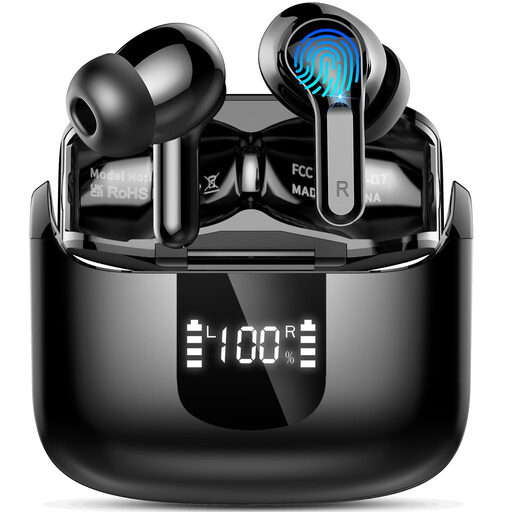
Why This Fits Their Persona: Suitable for users looking for in-ear wireless headphones with water resistance, USB-C charging and extended case-supported listening.
The listing identifies four ENC microphones and an IPX7 rating separately, helping shoppers distinguish call features from water protection.
Bluetooth 5.4, USB-C charging, Hi-Fi stereo sound, touch controls and a stated 48-hour total battery figure.
We have compiled a complete, real-time list of products that fully satisfy these strict selection criteria and UK safety regulations.
Before ordering, confirm that the listing includes clear manufacturer or importer information, usage instructions and relevant conformity markings where applicable. A product should also provide battery and charging guidance. Do not use headphones at high volume for extended periods, and avoid noise-isolating modes when cycling, driving or walking near traffic.
For a better fit, allow time to adjust ear tips or the headband. Clean earbuds and earcups with a soft, dry cloth, keep charging contacts free from debris and store earbuds in their case when not in use.
They can be convenient for buses, trains and walking, particularly when they have a secure fit and transparency mode. ANC can reduce steady transport noise, but users should remain aware of announcements and surrounding hazards.
Battery capacity gradually reduces with charging cycles. Careful storage, moderate volume and avoiding heat or moisture can help preserve day-to-day performance. Earbuds may also require replacement sooner than over-ear headphones because their small batteries are integrated into compact housings.
They need electricity for charging, but the household cost is generally modest. The more relevant running considerations are battery ageing, replacement availability, charging-cable compatibility and whether the headphones can also be used with an audio cable when the battery is empty.