
24/7 Customer Support

Free returns

Same-day & Next-day Delivery

Quality Guaranteed

Unlock Your Welcome Offers: FREE Delivery | Up to 80% OFF | Free 30-day JoyPlus trial
Download the APP
Wireless earbuds can make commuting, video calls, exercise and everyday listening more convenient, but headline specifications do not always tell the whole story. A low price may hide a poor fit, while an impressive battery figure may refer to the charging case rather than the earbuds themselves.
This guide explains the specifications that matter, the common buying traps to avoid and which models may suit different UK lifestyles.
Active noise cancellation (ANC) reduces selected external sounds for the wearer by producing an opposing sound signal. It can be useful on trains, buses and aeroplanes, particularly for steady low-frequency noise.
However, environmental noise cancellation (ENC) and microphone noise reduction are mainly intended to improve what the other person hears during a call. A product may include one, the other or both. Neither guarantees complete silence in every environment, and performance depends on the earbud seal, background noise and microphone design.
“Up to 35 hours” or “up to 50 hours” generally includes several recharges from the charging case. Check the separate figure for the earbuds themselves. Battery performance can also change when ANC, high volume, spatial audio or gaming modes are enabled.
A useful comparison is:
In-ear wireless earphones need a secure seal to produce consistent bass and passive noise isolation. A loose fit can make ANC less effective and may encourage higher volume levels.
Also check whether the stated water-resistance rating applies to the earbuds, charging case or both. For example, an IP54 or IP55 rating on the earbuds does not automatically make the case water resistant. Do not use earbuds while driving or cycling where awareness of surrounding sounds is necessary, and keep volume at a comfortable level.
For everyday UK use, look at the full battery specification rather than a single headline number. Models such as the HUAWEI FreeBuds 6i list up to 8 hours from the earbuds and up to 35 hours with the case. The product information also states that a 10-minute charge can provide up to 4 hours of playback under stated conditions.
USB-C charging is now a practical convenience because the same cable may work with a phone, tablet or laptop. Still, check whether a cable is included. The Apple AirPods 4 listing, for example, specifies USB-C charging but states that a USB-C cable is not included.
If you need noise-cancelling earbuds for commuting or travel, look for clearly stated ANC modes and a transparency or ambient mode. Transparency allows outside sound through, which is useful when listening for platform announcements or speaking to someone.
ANC performance is influenced by:
Some products provide published figures, such as the HUAWEI FreeBuds 6i’s stated average full-range cancellation of up to 27dB. Treat these figures as model specifications rather than a guarantee of identical results for every listener.
For earbuds for calls, prioritise microphone count, call noise reduction and a stable fit. Call quality can still vary in wind, crowded streets and enclosed spaces.
Most Bluetooth earbuds pair with Android phones, iPhones, tablets and laptops, but advanced functions may be limited by the device or companion app. Dual-device connection is useful if you switch between a work laptop and personal phone.
Bluetooth version numbers can indicate newer connectivity features, but they do not alone determine sound quality. If you are considering Hi-Res audio earbuds, check the supported codec on both the earbuds and your phone. A high-resolution codec is only useful when the source device and music service support it.
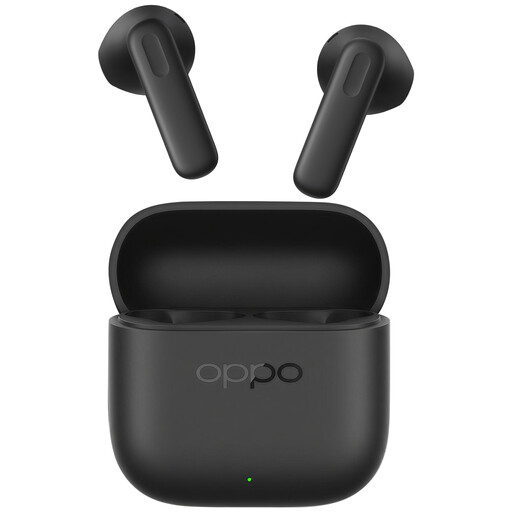
Why This Fits Their Persona: A straightforward option for shoppers wanting true wireless earbuds for music, calls and daily travel without focusing on advanced features.
The listing identifies Bluetooth 5.4, USB-C charging and a charging case, making the core specification easier to check before purchase.
Bluetooth 5.4 connectivity, touch controls and a compact USB-C charging case.

Why This Fits Their Persona: Suitable for users already invested in Apple devices and wanting convenient switching, ANC and hands-free controls.
The listing separates up to 5 hours of listening from over 30 hours with the case and identifies the USB-C cable limitation.
ANC, Adaptive Audio, Conversation Awareness, Spatial Audio and Find My integration.
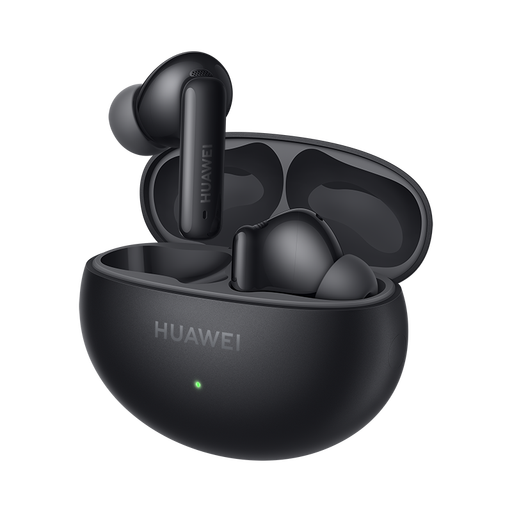
Why This Fits Their Persona: Designed around adaptive noise control, fast charging and extended case battery life for regular train journeys, flights and busy offices.
It provides separate earbud and case battery figures, three ear-tip sizes, dual-device connection and an IP54 rating for the earbuds.
Up to 8 hours per charge, up to 35 hours with the case, Intelligent Dynamic ANC 3.0 and Hi-Res certification.
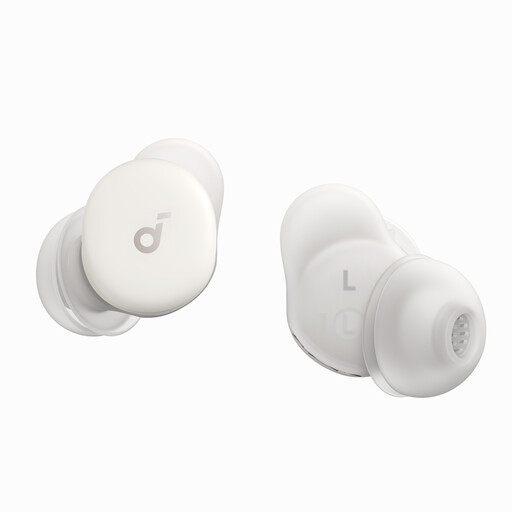
Why This Fits Their Persona: A specialist choice for people seeking in-ear wireless earphones designed around sleep, side sleeping and household noise.
Its listing describes a slimmer profile, soft silicone ear tips, adaptive noise cancellation and app-based controls rather than presenting it as a general-purpose sports model.
Sleep-focused fit, snore-masking feature, soundscape controls and USB-C charging.
We have compiled a complete, real-time list of products that fully satisfy these strict selection criteria and UK safety regulations.
Yes, provided they fit securely and offer the controls you need. ANC earbuds can reduce some steady background noise, while transparency mode helps you remain aware of announcements and nearby activity. Avoid using ANC at a volume that prevents awareness of important surroundings.
Battery capacity gradually declines with charging cycles, and practical lifespan depends on use, storage and care. Keep the charging contacts clean, avoid heat and moisture, and return the earbuds to their case when not in use. Do not continue using a product if the battery or case becomes unusually hot, swollen or damaged.
They need occasional electricity for charging, but the ongoing cost is generally small. The more relevant consideration is whether the charging case, cable and replacement accessories suit your routine. A model with fast USB-C charging or long case battery life may be more convenient for frequent travel, even if its purchase price is higher.