
24/7 Customer Support

Free returns

Same-day & Next-day Delivery

Quality Guaranteed

Unlock Your Welcome Offers: FREE Delivery | Up to 80% OFF | Free 30-day JoyPlus trial
Download the APP
Wireless earbuds can make daily listening more convenient, but product pages often focus on headline features rather than practical limitations. A low price may conceal short playback, an uncomfortable fit or unclear charging information. Meanwhile, terms such as “noise cancellation” and “Hi-Fi” do not automatically tell you how a pair will perform on a crowded train or during a work call.
This guide explains what UK shoppers should check before buying Bluetooth earbuds, followed by tailored recommendations for different listening habits.
“Long battery life” may refer to the charging case, standby mode or combined use rather than continuous playback from the earbuds. These figures are not interchangeable. For example, some compact models provide only a few hours of music playback per charge, while the case adds further recharges.
Check whether the stated figure covers:
If you travel regularly, look for long-battery-life earbuds with a clearly stated per-charge figure and a case that can be recharged easily.
Noise reduction can describe several different technologies. Active noise cancellation (ANC) uses microphones and electronic processing to reduce external sound, while environmental noise cancellation (ENC) usually focuses on improving microphone performance during calls. Passive isolation comes from the earbud seal itself.
A pair advertised as “call noise reduction” may not reduce the sound reaching your ears during a commute. If train, aircraft or office noise is your main concern, confirm that the product specifically lists ANC and check whether battery figures change when ANC is enabled.
Traditional in-ear wireless earphones can provide a stable seal, but not every ear shape suits the same nozzle or ear tip. A poor fit can cause discomfort, reduce bass response and make ANC less effective. Open-ear earbuds avoid inserting into the ear canal, although they generally allow more surrounding sound through.
For exercise or outdoor use, consider the retention method as carefully as the audio specification. Clip-on designs, ear hooks and flexible frames can stay in place more reliably than loose-fitting earbuds during movement.
Bluetooth 5.3 and Bluetooth 5.4 are common in current wireless earbuds, while some newer products list Bluetooth 6.0 or 6.1. A newer version can support improvements in efficiency and connectivity, but your phone, tablet or laptop also affects the final experience.
For ordinary UK commuting and home use, a stated range of around 10 metres in standard conditions is generally practical. Walls, crowded wireless environments and the connected device can reduce this distance. Check whether advanced functions are limited to a particular operating system or phone range. Apple AirPods are designed to integrate closely with Apple devices, while Samsung Galaxy Buds4 Pro offer additional Galaxy-related features.
Most modern charging cases use USB-C, making it easier to share a cable with a phone, tablet or laptop. Confirm whether a cable is included: some products provide a case but no charging lead.
Pay attention to the difference between:
Battery figures are normally manufacturer specifications and can vary with volume, codec, call use and ANC. Treat “up to” as a maximum under stated conditions rather than a guaranteed everyday result.
An IP rating is more useful than vague wording such as “waterproof”. The first number relates to solids and dust, while the second relates to water protection. For example, IPX5 indicates resistance to water jets under specified conditions, not suitability for swimming. The Samsung Galaxy Buds4 Pro specification lists IP57, but the charging case may have different protection and prolonged immersion should still be avoided.
No matter which sports earbuds you choose, dry the charging contacts before placing them in the case and follow the supplied care instructions.
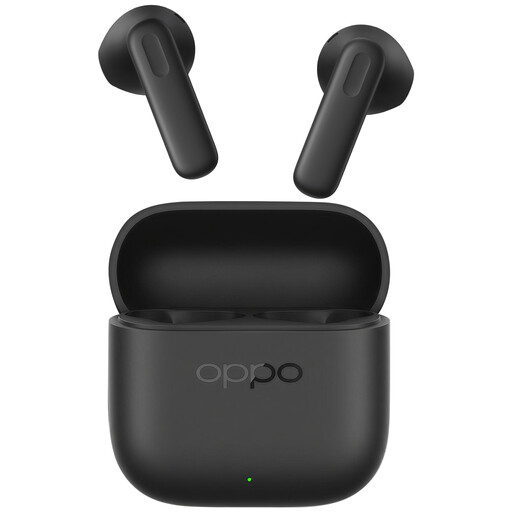
Why This Fits Their Persona: A straightforward option for music, podcasts and everyday calls without paying for features they may not use on every journey.
The specification clearly identifies Bluetooth 5.4, a dynamic driver and USB-C charging rather than relying only on broad “wireless” wording.
Bluetooth 5.4, touch controls, a compact case and stated USB-C fast-charging support.
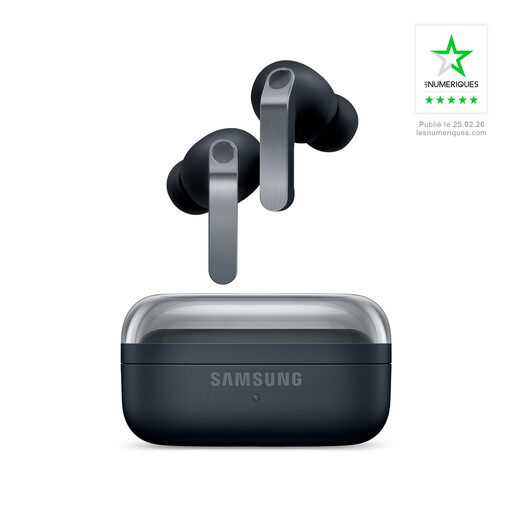
Why This Fits Their Persona: Suited to Samsung Galaxy users who want premium audio features, adaptive ANC and detailed call-related specifications for commuting or work.
Its specification separates ANC-on and ANC-off battery figures, and identifies an IP57 rating rather than using an unsupported waterproof description.
Dual speakers and amplifiers, adaptive ANC, six microphones, Bluetooth 6.1 and up to 30 hours with the case when ANC is off.
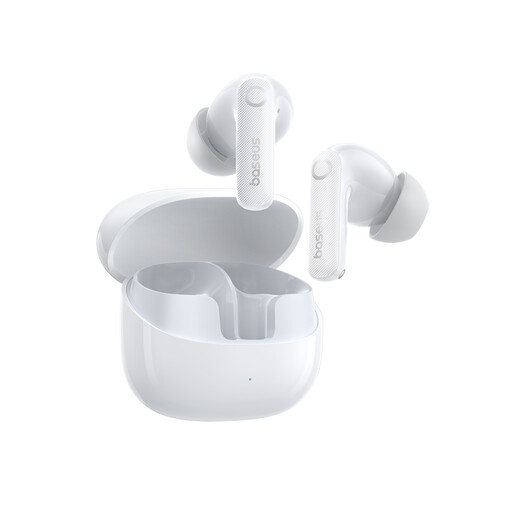
Why This Fits Their Persona: A practical match for frequent travellers and heavy listeners who prioritise extended playback, ANC and hands-free calls.
The product information states separate playback conditions, including approximately 11 hours at 50% volume, rather than presenting only a vague standby claim.
Lists adaptive hybrid ANC, LDAC support, six microphones, USB-C charging and up to 55 hours with the case under stated conditions.
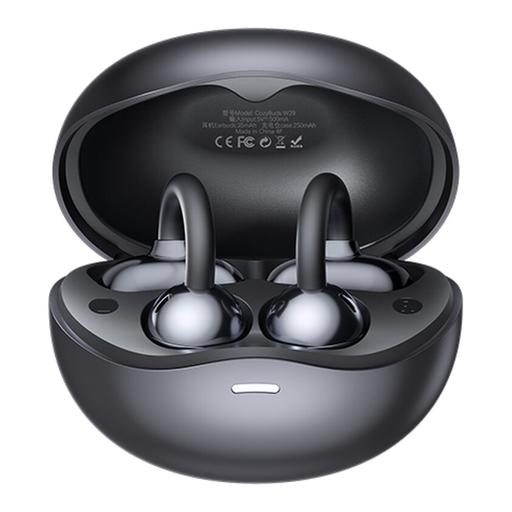
Why This Fits Their Persona: Designed for walkers, runners and commuters who want to hear announcements, traffic and conversations while listening.
The open-ear clip-on design does not depend on a traditional in-ear seal, helping address discomfort and fit concerns during movement.
Bluetooth 5.4, clip-on retention, touch controls, built-in call features and up to 6.5 hours on a single charge.
Your phone ecosystem can influence convenience. Apple AirPods 4 with Active Noise Cancellation support features such as automatic switching, Spatial Audio and USB-C charging, with up to five hours of listening per charge and over 30 hours with the case according to the supplied product information. Apple AirPods Pro 3 add a MagSafe charging case and multiple ear tip sizes, but buyers should check compatibility and included accessories before ordering.
Samsung Galaxy Buds4 Pro are particularly relevant to Galaxy owners because some features depend on Samsung devices and the Galaxy Wearable app. Other Bluetooth earbuds should pair with a wider range of phones, although advanced codec, gesture or assistant functions may vary.
Before paying, check:
We have compiled a complete, real-time list of products that fully satisfy these strict selection criteria and UK safety regulations.
Many wireless earbuds include built-in microphones, but call quality depends on microphone placement, noise processing, wind and the phone network. If calls are important, look for a stated microphone count or ENC/voice-processing feature, and consider whether the earbuds fit securely enough to maintain a consistent connection.
Battery capacity naturally reduces over time, and the usable lifespan depends on charging habits, heat, moisture and physical wear. Keep the case away from extreme temperatures, avoid exposing non-water-resistant models to rain and follow the manufacturer’s charging instructions. Replace damaged or swollen products immediately and dispose of them through appropriate WEEE recycling facilities.
No. Open-ear earbuds are designed to leave the ear canal open, so surrounding sound remains audible. This can suit outdoor walking, cycling or commuting, but it also means music may sound less isolated in busy places. Choose in-ear noise-cancelling earbuds if reducing background noise is the priority, and always keep volume at a sensible level.