
24/7 Customer Support

Free returns

Same-day & Next-day Delivery

Quality Guaranteed

Unlock Your Welcome Offers: FREE Delivery | Up to 80% OFF | Free 30-day JoyPlus trial
Download the APP
Wireless earbuds can make commuting, calls, workouts and everyday listening more convenient, but product listings often prioritise impressive-sounding features over practical details. A high Bluetooth version does not guarantee comfort, while a large battery figure may refer to the charging case rather than the earbuds themselves.
This guide from the Joybuy Product Recommendation Officer focuses on the details that matter when comparing wireless earbuds, Bluetooth earbuds, specialist listening devices and compact digital voice recorders for use in the UK.
A listing may advertise 48 or 55 hours, but this usually includes several recharges from the case. Check the earbud playtime on one charge, the case capacity and whether features such as ANC reduce the stated duration.
For example, active noise cancellation can use more power than standard listening. If you need long-battery-life earbuds for a full working day, compare both figures rather than relying on the largest number in the headline.
Traditional in-ear headphones create a seal inside the ear canal. This can improve passive noise isolation, but some users find silicone tips uncomfortable during long calls or exercise. Semi-in-ear, open-ear, clip-on and bone-conduction earphones offer different approaches.
Open-ear earbuds allow more environmental sound through, which can be useful near roads, on busy high streets or when listening for railway announcements. However, they may sound less isolated in noisy surroundings.
Bluetooth 5.4 earbuds can offer modern connectivity, but connection quality also depends on the phone, software and surrounding wireless traffic. Similarly, IPX5 or IPX7 ratings describe resistance under specified test conditions; they do not mean every product is suitable for swimming or prolonged submersion.
Noise cancellation also needs careful interpretation. ANC reduces certain external sounds, particularly steady low-frequency noise, while ENC generally refers to microphone processing for calls. Neither should be treated as a guarantee of complete silence or perfect voice quality.
Match the construction to your routine:
Check the following before ordering:
A compact case is convenient for a handbag or coat pocket, but a larger case may provide more additional charges. Consider whether you can recharge during a train journey, at work or between exercise sessions.
For exercise or outdoor use, examine the IP rating, fit security and microphone arrangement. Water-resistant wireless earphones can handle sweat or splashes within their stated rating, but charging ports and cases should be kept dry.
For work and study, microphone noise reduction, touch controls and multipoint support may be more useful than extra bass. If you need to capture meetings, lectures or interviews, a dedicated digital voice recorder may be more appropriate than relying on an earbud microphone.
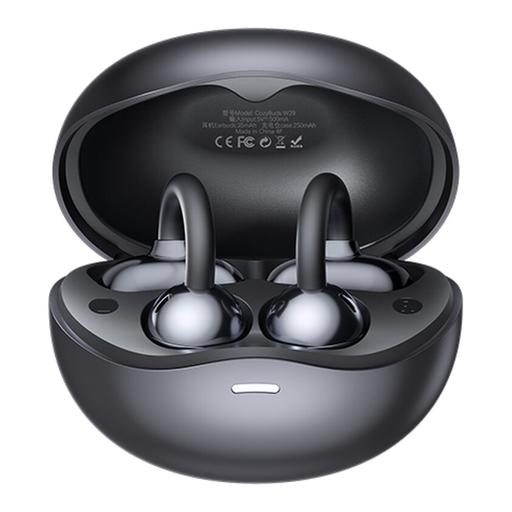
Why This Fits Their Persona: The open-ear clip-on format suits first-time buyers, commuters and users who find conventional in-ear designs uncomfortable.
Its clip-on design does not depend on a tight ear-canal seal, while the open construction supports awareness of surrounding sounds.
Bluetooth 5.4, up to 6.5 hours on one charge, touch controls and a lightweight ear clip.
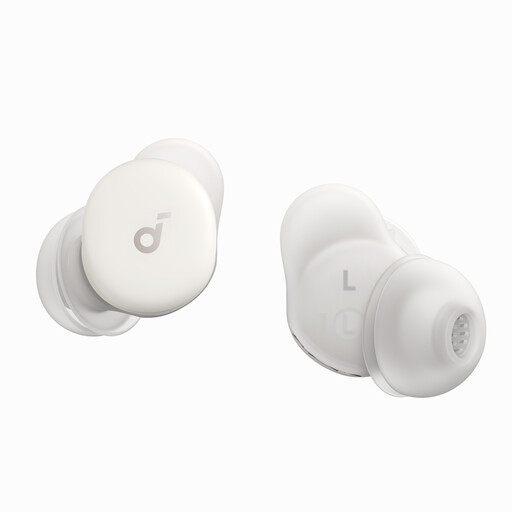
Why This Fits Their Persona: Designed for users prioritising a slimmer in-ear profile, personalised audio and sleep-focused controls at home.
The product is positioned around sleep use, with a slimmer profile and soft silicone ear tips rather than a general-purpose fit.
Smart ANC, snore-masking audio, app controls, sleep reminders and USB-C charging.
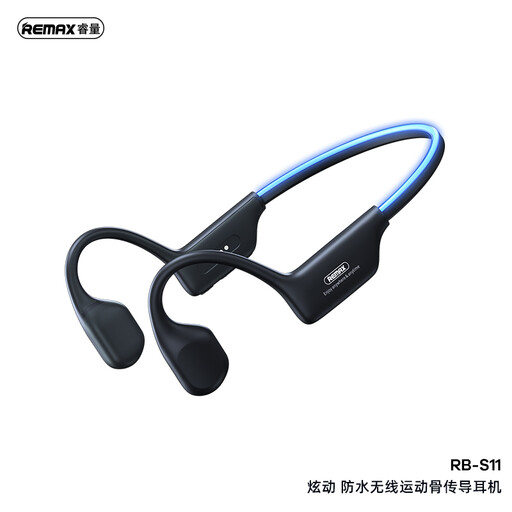
Why This Fits Their Persona: Runners, cyclists and outdoor users can listen while keeping their ears open to traffic, conversations and announcements.
The open-ear bone-conduction format avoids claiming full isolation, and its IPX5 rating clearly indicates resistance to sweat and splashes rather than swimming.
Bluetooth 5.3, IPX5 water resistance, flexible titanium frame, microphone and up to 6 hours of playtime.
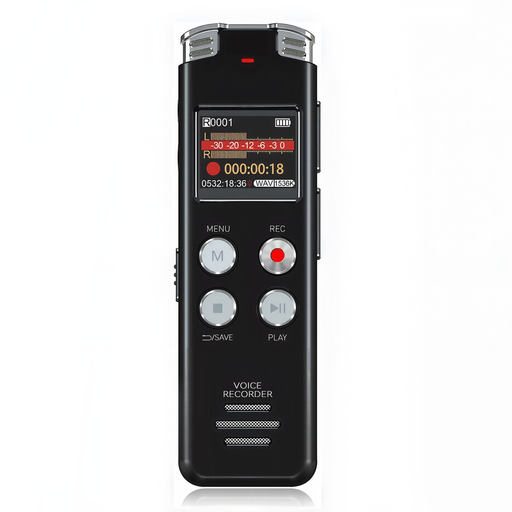
Why This Fits Their Persona: A dedicated recorder is more suitable than wireless earbuds when the priority is saving lectures, meetings, interviews or spoken notes.
It avoids using a music-listening product for recording work, with one-touch operation, timestamp file management and voice-activated recording.
128GB storage, up to 35 hours of continuous recording, USB-C transfer, LCD screen and WAV support up to 1536kbps.
We have compiled a complete, real-time list of products that fully satisfy these strict selection criteria and UK safety regulations.
They can be, but the right design depends on your route. Noise-cancelling earbuds may help with steady train or bus noise, while open-ear earbuds can make it easier to hear announcements and surrounding activity. Avoid using headphones in situations where full awareness is required, and keep volume at a comfortable level.
Battery capacity gradually declines with use, and the practical lifespan depends on charging habits, storage and physical wear. Keeping the case and charging contacts clean, avoiding heat and storing earbuds in their case can help maintain reliable operation. Check the warranty and replacement availability before buying.
They do not require a subscription or regular consumables, but their batteries need charging. Electricity use is generally small; the more significant consideration is eventual battery wear. USB-C charging and a case with several additional charges can reduce the need for frequent top-ups during the day.