
24/7 Customer Support

Free returns

Same-day & Next-day Delivery

Quality Guaranteed

Unlock Your Welcome Offers: FREE Delivery | Up to 80% OFF | Free 30-day JoyPlus trial
Download the APP
Wireless earbuds can make commuting, working, exercising and taking calls more convenient. However, a low price or a long list of features does not always mean a suitable purchase. The right pair depends on where you use them, how they fit, how often you charge them and whether their specifications match your phone and routine.
Active noise cancellation (ANC) uses microphones and electronic processing to reduce surrounding sound that you hear, such as train rumble or office noise. Environmental noise cancellation (ENC) generally refers to microphone processing designed to make your voice clearer during calls.
These functions are not interchangeable. A pair of noise cancelling earbuds may reduce background noise for music but still provide only modest call performance. If you regularly join meetings or make calls outdoors, check the microphone configuration and call-related specifications rather than relying on the phrase “noise reduction” alone.
Battery figures are normally maximum or stated-use estimates. ANC, higher volume, phone calls, codec selection and temperature can affect actual playback time. Also check whether the figure refers to one charge of the earbuds or the combined total with the charging case.
For example, a specification such as “up to 35 hours” may include several case recharges. If you need long listening between sockets, look for both single-charge endurance and total case capacity.
A poor seal can reduce bass and passive isolation, while an insecure fit can make sports earbuds uncomfortable or easy to lose. In-ear wireless headphones should include suitable tip options where possible.
Water-resistance ratings also need careful reading. An IP54 or IP55 rating on the earbuds does not automatically protect the charging case. Sweat, rain and splashes may be manageable for rated earbuds, but charging should take place only when the equipment is dry. No earbuds should be used while driving or in situations where awareness of traffic and other hazards is essential.
For commuting, flights or shared workspaces, active noise cancellation earbuds can be useful. Adaptive systems may adjust their processing as the surroundings change, but performance varies with fit and the type of noise. Low-frequency sounds such as engine rumble are often a different challenge from voices and sudden sounds.
If you walk near roads or cycle, consider transparency or ambient modes and keep the volume moderate. Noise control should support convenience, not remove awareness when safety depends on hearing what is around you.
Bluetooth earbuds should pair with your phone, tablet or laptop without unnecessary reconnection. Bluetooth 5.3 and Bluetooth 5.4 describe the connection standard, but they do not alone guarantee better sound or range.
Check whether the product supports two-device connection, app features or special functions tied to a particular phone ecosystem. For example, the HUAWEI FreeBuds 6i lists dual-device connection and audio sharing with compatible HUAWEI phones. Features such as automatic switching may be limited when used with other devices.
Look for:
For regular exercise, an IP rating is useful, but it is not a substitute for careful cleaning and drying. For sleep earbuds, a slim profile and soft tips may matter more than maximum volume or bass output.
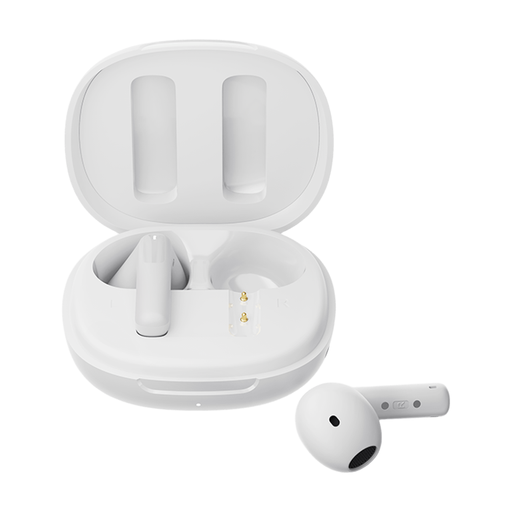
Why This Fits Their Persona: A straightforward option for first-time buyers who want everyday true wireless earbuds for music, podcasts and occasional calls without prioritising advanced controls.
The supplied guidance clearly covers volume limits, cleaning, storage and avoiding use while driving or in situations requiring focus.
Compact true wireless format; dry-cloth cleaning and case storage are simple to maintain.
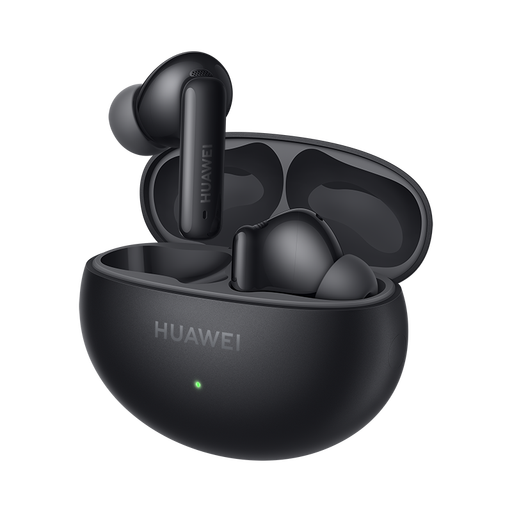
Why This Fits Their Persona: A practical match for commuters and frequent listeners seeking ANC, multiple controls and extended case-supported playback.
The listing separates ANC from call features and specifies three ear-tip sizes, helping buyers check fit instead of relying on generic comfort claims.
Up to 8 hours on the earbuds and up to 35 hours with the case; IP54 is specified for the earbuds only.
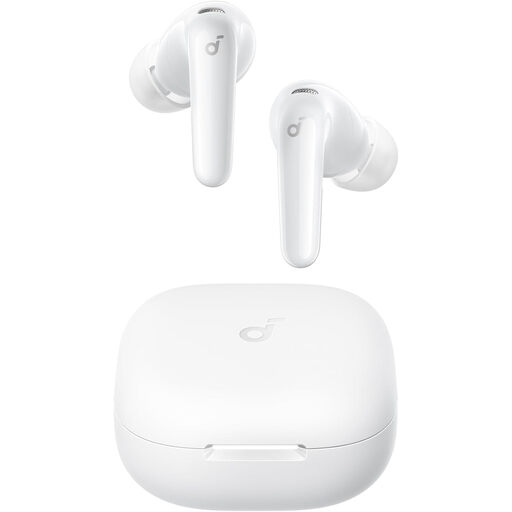
Why This Fits Their Persona: Suited to listeners who move between commuting, calls, gaming and exercise and want several advertised modes in one pair.
Its specifications distinguish ANC-off and ANC-on battery figures and identify IP55 as applying to the earbuds, not automatically the case.
Up to 10 hours per earbud with ANC off, 50 hours with the case, Bluetooth 6.1 and six microphones for call noise reduction.
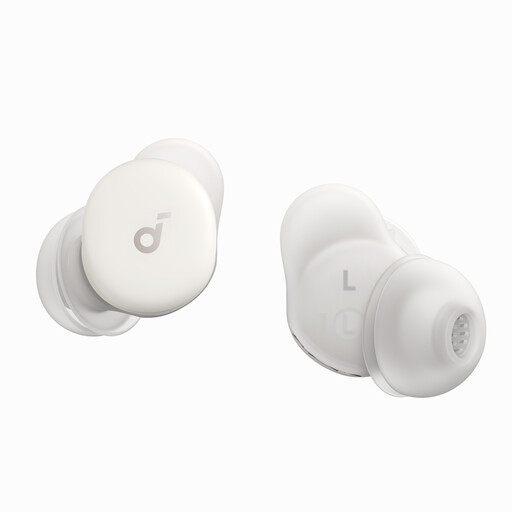
Why This Fits Their Persona: Designed for people specifically seeking sleep earbuds with a slimmer in-ear profile, soundscapes and smart snore-masking features.
The product is positioned around sleep use rather than general listening, with soft tips, a lightweight profile and app-based controls specified.
Smart active noise cancellation and snore masking; the app includes soundscapes, reminders, alarms and sleep reports.
We have compiled a complete, real-time list of products that fully satisfy these strict selection criteria and UK safety regulations.
They can be, but call quality depends on microphone placement, wind handling, software processing and your surroundings. Look for a specified microphone system or call noise-reduction feature if calls are a priority. Before relying on earbuds for work, check how clearly your voice is transmitted in a quiet room and outdoors.
The rechargeable batteries gradually lose capacity with use, while physical durability depends on charging-port care, drops, moisture and cleaning. Store the earbuds in their case, avoid extreme heat, keep charging contacts dry and follow the supplied battery warnings. A replaceable-battery design is uncommon in compact true wireless earbuds, so warranty and retailer support are worth checking before purchase.
Electricity use for USB-C charging is generally small, but the practical running cost includes replacement tips, cables and eventual battery or product replacement. Quick charging can reduce waiting time, while a larger case battery may reduce how often you need access to a socket. Choose the features you will actually use rather than paying for unused modes.