
24/7 Customer Support

Free returns

Same-day & Next-day Delivery

Quality Guaranteed

Unlock Your Welcome Offers: FREE Delivery | Up to 80% OFF | Free 30-day JoyPlus trial
Download the APP
Choosing wireless earbuds in the UK is rarely just a case of picking the model with the longest battery claim or the most impressive-sounding feature list. Comfort, safety, water resistance, microphone performance and device compatibility can make a larger difference to everyday use.
Whether you need true wireless earbuds for commuting, noise-cancelling earbuds for travel, Bluetooth earbuds for work or open-ear earbuds for running, a few common buying traps are worth avoiding.
A product may advertise a long standby period, but this is not the same as continuous playback. Check whether the figure applies to the earbuds alone or includes the charging case. Battery performance can also vary with active noise cancellation, call use, volume and codec settings.
For example, a pair offering eight hours from the earbuds and several additional charges from the case may be more useful than a vague “long battery life” statement.
Active noise cancellation (ANC) uses microphones and electronic processing to reduce certain external sounds, particularly consistent low-frequency noise such as train engines or aircraft cabins. It does not remove every sound and performance depends on the seal created by the ear tips.
For safety, ANC should not be used when awareness of traffic, announcements or other surroundings is essential. Ambient or transparency modes can help, but users should still remain attentive.
An IP rating describes resistance under defined laboratory conditions. It does not mean that earbuds are suitable for swimming or showering.
Charging cases often have a different rating from the earbuds. Always dry the earbuds before placing them in the case or connecting a charger.
Traditional in-ear headphones use silicone tips to create a seal. This can improve bass response and passive noise isolation, but some users dislike pressure in the ear canal. Look for multiple ear-tip sizes and a shape that remains secure without excessive force.
Open-ear designs sit outside the ear canal. Clip-on models can be suitable for long work sessions or users who find in-ear products uncomfortable. Bone conduction headphones rest near the cheekbones and transmit sound through vibrations, leaving the ear openings unobstructed. They can help users remain aware of their surroundings, although sound character and bass response differ from sealed in-ear designs.
Compare three figures:
USB-C is now common, but a power adaptor or charging cable may not always be included. If you use earbuds for commuting and calls throughout the day, consider a case with a clear battery display or a model that supports wireless charging.
For earbuds with a microphone, check whether the product uses one or more microphones and whether call noise reduction is specified. No microphone can guarantee clear calls in every windy or crowded location.
Bluetooth versions indicate the wireless standard supported, but real-world range also depends on the phone, laptop and surrounding interference. Multipoint connectivity is useful if you regularly switch between a mobile phone and a computer. App-based functions may vary between Android, iOS and manufacturer ecosystems, so verify compatibility before ordering.
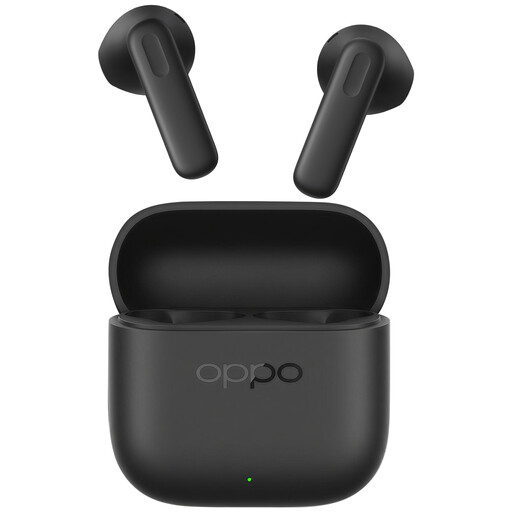
Why This Fits Their Persona: A practical option for everyday listening, phone calls and commuting, with USB-C charging and touch controls.
The specification lists Bluetooth 5.4, USB-C charging and a compact charging case rather than relying only on a general battery slogan.
Bluetooth 5.4, dynamic drivers, built-in touch controls and a USB-C charging case.
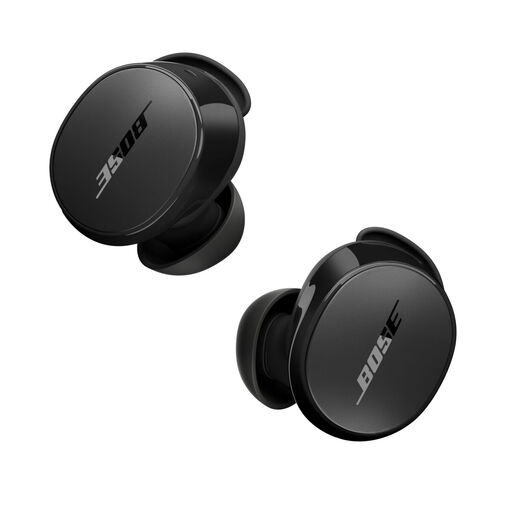
Why This Fits Their Persona: Suited to frequent travellers, office users and listeners who prioritise adjustable noise control and fit options.
Quiet, Aware and Off modes make the noise-control choice clear, while three ear-tip and stability-band sizes address fit variation.
Up to 8.5 hours from the earbuds, up to 31.5 hours with the case, IPX4 resistance and Bluetooth multipoint.
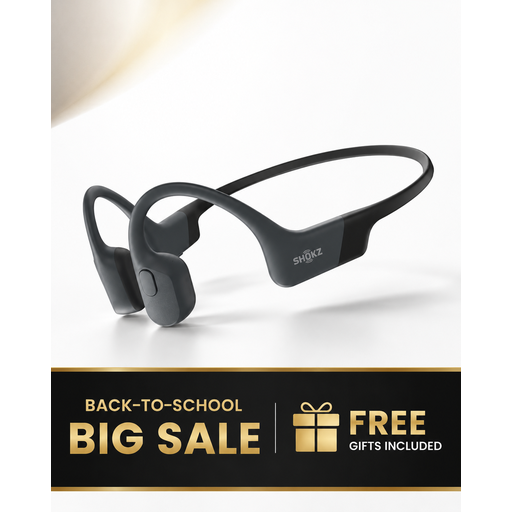
Why This Fits Their Persona: The open-ear bone conduction format is designed for outdoor exercise where hearing surrounding sounds remains important.
It does not depend on an in-ear seal or ANC, making the design more appropriate for users who need environmental awareness.
IP67 rating, up to eight hours of playback and a 10-minute quick charge providing up to 1.5 hours of playback.
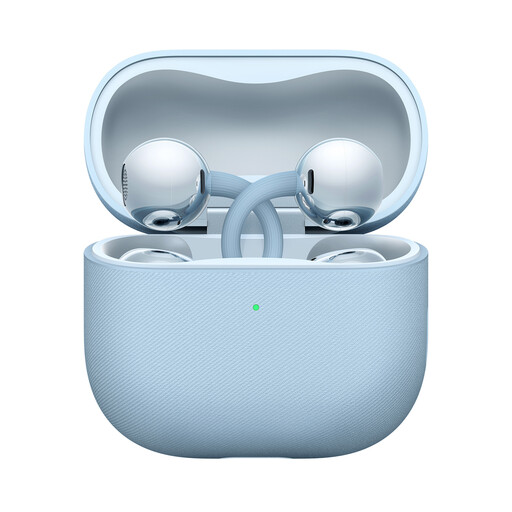
Why This Fits Their Persona: A clip-on open-ear design for users moving between phone calls, laptops, travel and extended listening.
The product clearly separates earbud and case battery figures and its open-ear format avoids the pressure associated with some in-ear headphones.
Up to nine hours of music playback, up to 38 hours with the case, dual-device connection and IP57-rated earbuds.
We have compiled a complete, real-time list of products that fully satisfy these strict selection criteria and UK safety regulations.
They can be, provided the model has a built-in microphone and your phone or laptop supports its Bluetooth profile. For regular meetings, prioritise microphone specifications, multipoint connectivity and a comfortable fit. Wind and busy backgrounds can still affect call quality.
Service life depends on battery ageing, charging habits, moisture exposure and physical handling. Lithium batteries gradually hold less charge over time. Keeping the case and charging contacts dry, avoiding extreme heat and storing the earbuds in their case can help maintain reliable operation.
They require electricity for charging, but the day-to-day cost is generally small. The more practical ongoing consideration is battery replacement or eventual product replacement. USB-C charging and a case with several additional charges can reduce how often you need access to a power socket.