
24/7 Customer Support

Free returns

Same-day & Next-day Delivery

Quality Guaranteed

Unlock Your Welcome Offers: FREE Delivery | Up to 80% OFF | Free 30-day JoyPlus trial
Download the APP
For PC gamers, esports players and streamers, a wireless gaming mouse can reduce desktop clutter without compromising responsiveness. However, product listings often place attention on headline numbers while leaving practical limitations less visible.
A high DPI figure does not automatically improve aim, and an impressive battery estimate may depend on a particular polling-rate setting. Before buying, check how the mouse connects, which features require software and whether its shape and switch type suit the way you play.
A 30K DPI gaming mouse offers a wide sensitivity range, but most players use a much lower setting in everyday play. DPI is only one part of tracking performance. Sensor consistency, your chosen in-game sensitivity, mouse control and desk space usually matter more.
Independent X/Y adjustment can be useful if you want different horizontal and vertical sensitivity, particularly with ultrawide displays. Otherwise, paying extra for a figure you never use may not improve your experience.
An 8K wireless polling rate mouse reports its position up to 8,000 times per second. This can reduce the interval between reports, but the practical effect depends on your game, display refresh rate, computer performance and settings.
Native wireless 8K is also different from a mouse that reaches a higher rate only through a software setting or a separate accessory. Check whether the receiver is included and whether the computer has a suitable USB port. The Rapoo models below specify a native 8,000Hz wireless connection and a supplied receiver.
A “750-hour” estimate should be read alongside its operating conditions. The Rapoo specifications state up to 750 hours at 1,000Hz, while the low-power mode requires the latest driver. Running at 8K may affect battery duration.
For a gaming mouse with long battery life, also check charging method, battery warnings and whether settings are saved onboard. These details are more useful than a headline figure alone.
For competitive FPS gaming, a stable 2.4GHz wireless link and a properly positioned receiver are practical priorities. Keep the receiver away from sources of interference and, where possible, plug it directly into a USB 3.0 port rather than relying on an overcrowded hub.
A native 8K connection is most relevant to players with a high-refresh-rate monitor and a system capable of processing frequent input reports. If you mainly play slower-paced games or use a standard office display, 1,000Hz may already be sufficient.
A lightweight gaming mouse can make broad, low-sensitivity movements easier. The models featured here weigh 53g, which may appeal to FPS players who frequently lift and reposition the mouse.
Weight alone does not determine comfort. Check the palm, claw or fingertip shape you use, as well as the position of side buttons. A mouse with more controls can be helpful for MOBA abilities and productivity, but poorly positioned buttons may cause accidental presses.
An optical switch gaming mouse registers clicks using infrared light rather than traditional mechanical contact. The MAX models list a 120-million-click optical switch and no debounce delay in their product specifications.
A mechanical switch gaming mouse provides the familiar click feel and sound. The VT2 and VT7 list a 100-million-click mechanical switch. Mechanical designs may still develop double-click issues over time, despite the stated lifespan, so your preference for feedback is important.
Ten programmable buttons and macro support can benefit MMO, MOBA and streaming workflows. Use macros responsibly and check the rules of competitive games before enabling automated inputs.
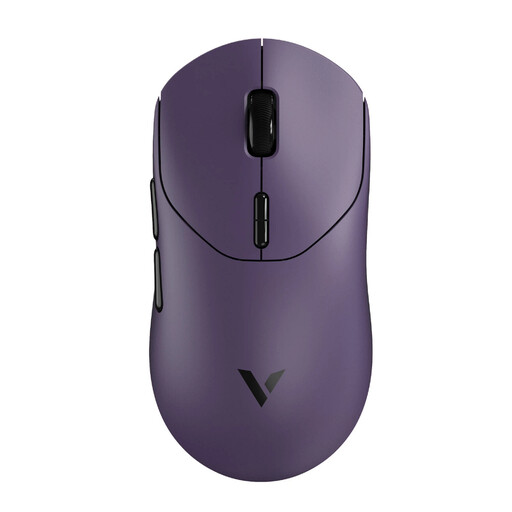
Why This Fits Their Persona: A practical starting point for UK PC gamers who want native 8K wireless, low weight and custom controls without choosing an optical-switch model.
Its specifications separate the 26K DPI maximum, 8K wireless rate and 750-hour estimate at 1,000Hz, making the operating conditions clearer.
53g weight, 10 programmable buttons, macro support, independent X/Y DPI and a 100-million-click mechanical switch.
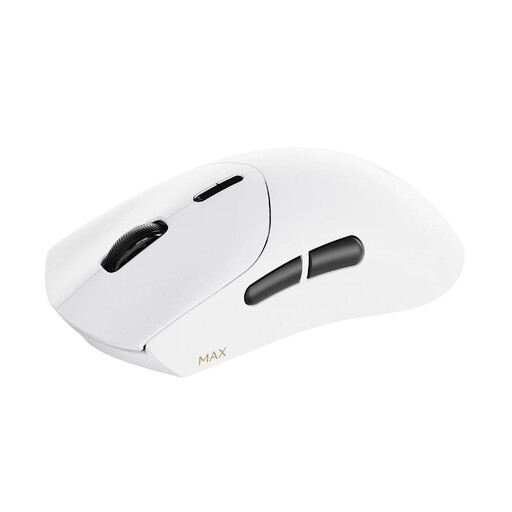
Why This Fits Their Persona: Suited to competitive players and technology enthusiasts who prioritise a low-weight design, optical clicking and high-resolution adjustment.
The product listing identifies optical switching separately from mechanical alternatives and states that the 750-hour figure applies at 1,000Hz.
53g body, native 8K wireless, up to 30K DPI with independent X/Y settings, 120-million-click optical switch and onboard memory.
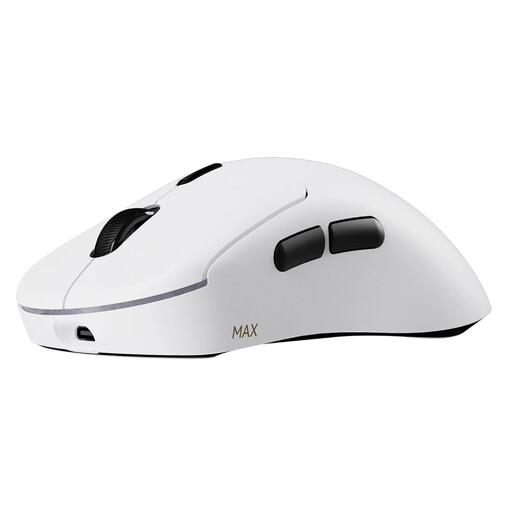
Why This Fits Their Persona: Designed for frequent gaming, streaming and long desk sessions where reduced charging and multiple programmable inputs are useful.
Its battery estimate includes the 1,000Hz condition, while the latest A HUB driver is required to access low-power mode and advanced customisation.
53g weight, up to 750 hours at 1,000Hz, native 8K wireless, 30K DPI, 10 programmable buttons and macro support.
We have compiled a complete, real-time list of products that fully satisfy these strict selection criteria and UK safety regulations.
It can be useful for competitive players with a high-refresh-rate monitor and a capable PC. For general gaming, the benefit may be less noticeable than improved shape, weight or consistent wireless connectivity.
Not necessarily. Low weight may suit fingertip and claw grips or players using broad arm movements, while others may prefer a heavier mouse for stability. Shape and button placement should be considered alongside the 53g specification.
The listed models use different switch technologies rather than offering a universal guarantee of service life. MAX versions specify a 120-million-click optical switch, while the VT2 and VT7 specify a 100-million-click mechanical switch. Choose optical for the stated click design and mechanical for traditional tactile feedback.