Speech-first home listeners
If voices, a television or appliances compete with a lecture, look for noise cancellation, simple playback controls and a mode that lets you hear interruptions without removing the headphones.


Start by considering closed, over-ear wireless headphones with active noise cancellation and a way to hear household sounds when needed. For long astronomy talks, choose by fit, controls and compatibility with your listening devices rather than noise cancellation alone; captions or transcripts can still help when speech is unclear.
If voices, a television or appliances compete with a lecture, look for noise cancellation, simple playback controls and a mode that lets you hear interruptions without removing the headphones.
For full talks or livestreams, assess how the earcups and headband feel over a typical session alongside the stated battery life. Which? notes that over-ear headphones tend to be bulkier and heavier than in-ear alternatives.
If talks play on a computer or tablet while calls arrive on a phone, check the exact model's switching features. If you rely on Apple accessibility controls, check which functions work with your own devices.
For astronomy talks in a noisy home, settle the noise and comfort questions first, then check how the headphones work with your talk sources and listening needs.
| Concern | What to check | Who this matters to |
|---|---|---|
| Household distraction | Look for noise cancellation and an ambient or transparency mode; consider whether an over-ear fit suits you. | If voices or appliances interrupt quieter passages, I want less distraction without turning the talk up. Around 36% of consumers put that need first. |
| Long-session comfort | Compare stated listening time with noise cancellation on, then try the headband and earcups for a typical session. | When I follow a full lecture, pressure or heat could make me stop before it finishes. Comfort and uninterrupted listening come first for roughly 29% of consumers. |
| Device compatibility | Check each talk source, the exact model's multipoint limit and any platform-specific features you need. | If a stream plays on my computer and calls come through my phone, I do not want switching to interrupt either one. About 21% of consumers prioritise that connection need. |
| Listening level and access | Check for usable volume controls and whether your talk platform offers captions or transcripts. | If speech remains difficult to follow, I would rather use captions than keep raising the volume. That is the primary need for around 14% of consumers. |
Noise cancellation can reduce surrounding distraction, but it cannot establish how clear a particular presenter or recording will sound to you.
Where possible, try a familiar spoken recording in your usual room and check whether the talk offers captions or a transcript.
A stated maximum does not guarantee the same runtime with every setting, and a headset that feels uncomfortable may be hard to wear through a long lecture.
Compare listening time with noise cancellation on and assess weight, earcup heat and fit together.
Multipoint depends on the model. Sony says its supported multipoint headphones connect to two sources at a time; Apple notes that some AirPods Max 2 functions may be limited with non-Apple devices.
Check the precise model and pair it with the devices you intend to use while a return is still possible.
More volume is not a substitute for dealing with background distraction. Royal Free London NHS Foundation Trust suggests noise-cancelling headphones to reduce the urge to turn sound up.
Keep playback at a comfortable level, take breaks and use captions when available. Seek professional advice if hearing difficulty persists.
Sony's WH-1000XM6 is one closed, over-ear model to examine if you want noise cancellation and multipoint for talk sources.
Bose QuietComfort Ultra Headphones are a reference point if switching between noise cancellation and awareness of the room matters.
AirPods Max 2 are relevant to listeners using compatible Apple devices and Apple's headphone accessibility controls.
These wireless over-ear choices suit different approaches to listening to talks amid household noise. Check the exact variant's controls, compatibility and fit against the devices and sessions you have in mind.
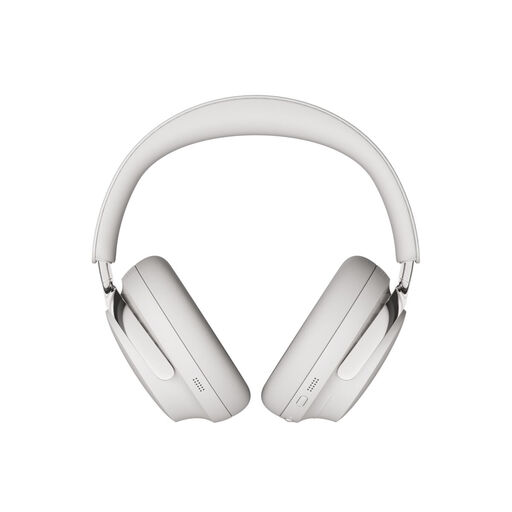 No image available
A noise-cancelling option to consider if household interruptions matter during a talk. Check how its listening modes work for you and whether the fit stays comfortable through a full session; do not assume specifications for the earlier QuietComfort Ultra model also apply to this 2nd Gen variant.
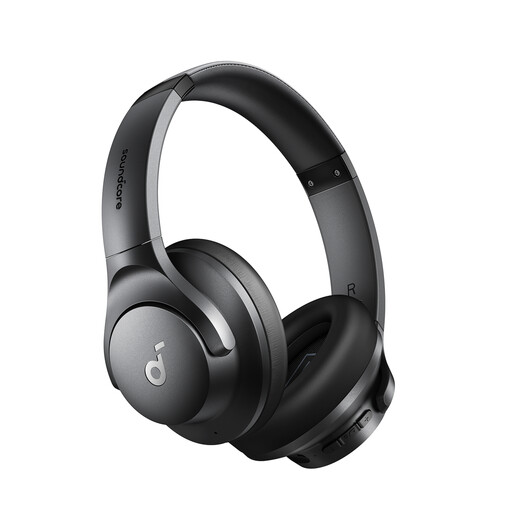 No image available
Consider this noise-cancelling pair if you listen in a shared room and want to assess how easily you can return your attention to household sounds. Try its fit and controls with a spoken talk rather than relying on a noise-reduction claim as proof of speech clarity.
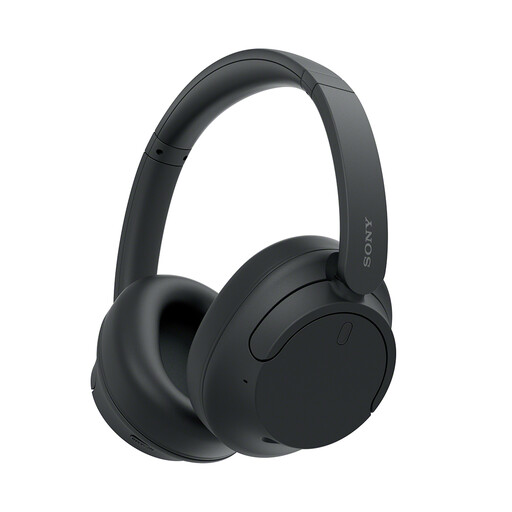 No image available
A wireless option for talks that compete with household noise. If you alternate between a talk source and a phone, confirm the connection behaviour on those devices, and assess comfort over the length of a normal talk.
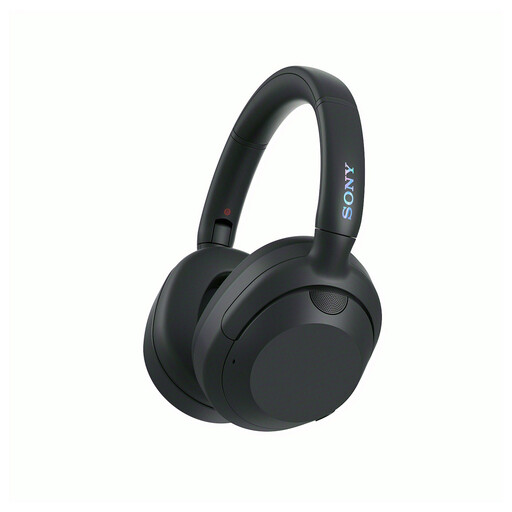 No image available
This noise-cancelling model is worth considering if you want an over-ear headset for talks and use more than one listening device. If hearing someone in the room without removing the headphones matters, confirm the exact model's ambient-sound controls before choosing it.
 No image available
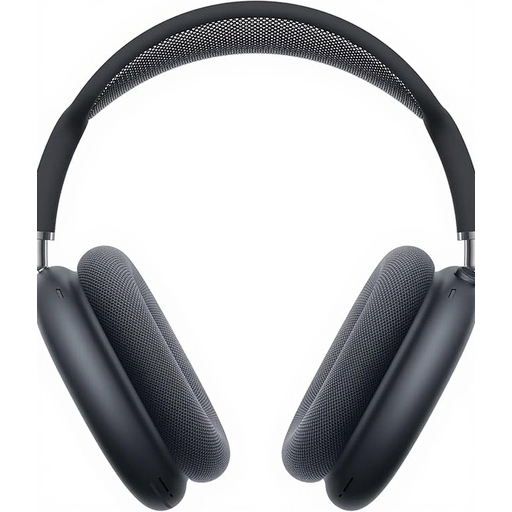
Consider this variant if your talks play mainly on compatible Apple devices and you want to check its noise and awareness controls. Verify the functions available with every intended source, especially non-Apple devices; do not assume the AirPods Max 2 specifications above apply to this USB-C variant.
No: noise cancellation may reduce household distraction, but clarity also depends on the recording, presenter and listener. Try a familiar talk in your usual room where possible, and use captions or a transcript when available.
You can do so more readily if the exact headphones support multipoint with both of your devices. Sony says its supported multipoint headphones switch between two sources; check the model's setup instructions and do not assume it can maintain more than two connections.
Use noise cancellation to reduce the urge to compete with household sound, then keep playback at a comfortable level and take breaks. Royal Free London NHS Foundation Trust recommends noise-cancelling headphones as one way to avoid raising the volume against outside noise.
Use captions, subtitles or a transcript where the talk provides them instead of repeatedly increasing volume. RNID identifies captions and speech-to-text among assistive options; seek appropriate professional advice if hearing difficulty persists or worsens.