
24/7 Customer Support

Free returns

Same-day & Next-day Delivery

Quality Guaranteed

Unlock Your Welcome Offers: FREE Delivery | Up to 80% OFF | Free 30-day JoyPlus trial
Download the APP
Wireless headphones can make commuting, video calls, gaming and everyday listening more convenient, but a high specification list does not automatically mean a suitable purchase. The right choice depends on how you use them, how long you wear them and which compromises you are willing to accept.
Before comparing Bluetooth headphones, look beyond phrases such as “immersive audio” or “all-day battery”. These descriptions can hide important differences in comfort, connection type and real-world battery performance.
A quoted playback figure is normally a maximum under particular conditions. Active noise cancellation (ANC), higher volume, spatial audio, microphone use and wireless codecs can reduce operating time. A model advertised with 60 or 75 hours may deliver less with additional features enabled.
Check whether the stated figure applies with ANC switched on or off. Also look for rapid-charge information. A short top-up can be more useful for a train journey than a large maximum figure that takes several hours to restore.
Noise-cancelling headphones use microphones and signal processing to reduce external sound, particularly consistent low-frequency noise such as train engines or aircraft cabins. They do not remove every voice, sudden sound or household noise.
A transparency or aware mode is equally useful when you need to hear announcements or speak to someone. For commuting and travel, compare ANC modes, microphone performance and controls, rather than relying on the term “noise cancelling” alone.
Spatial audio, virtual surround sound and enhanced bass can change the presentation of music or films, but they may consume more battery or require an app. Large earcups can also feel warm, while some in-ear designs may not suit every ear shape.
Before buying, check the wearing style, weight, control method and device compatibility. A wired gaming headset with USB and a 3.5 mm connection may suit a desktop better than wireless earbuds, while headphones for running need a secure fit and awareness of nearby traffic.
Weight is only one part of comfort. Headband padding, clamping force, earcup depth and ventilation can matter more during extended use.
Most wireless headphones use Bluetooth. Look for the Bluetooth version, supported connection types and whether multipoint is included. Multipoint allows compatible headphones to remain connected to two devices, such as a laptop and phone, although switching behaviour can vary.
For gaming, low-latency modes can help synchronise sound with on-screen action. A wired USB connection may provide a more consistent setup for PC calls or online learning. Confirm the connector: USB-A, USB-C, 3.5 mm and proprietary cables are not interchangeable in every situation.
If you need headphones with a microphone, assess whether the microphone is built in, detachable or mounted on a boom. Call noise reduction can improve voice clarity, but it does not guarantee perfect speech quality in a busy environment.
Compare battery life with the features you expect to use. For example, the Bose QuietComfort Ultra (2nd Gen) lists up to 30 hours in Quiet or Aware mode and up to 23 hours with Immersive Audio. The Skullcandy Hesh 540 ANC lists up to 65 hours with ANC off.
USB-C charging is increasingly convenient because many UK households already use compatible cables, but a charger may not be included. Check charge time, quick-charge playback and whether audio can continue while charging.
For exercise, an IP rating indicates resistance under defined test conditions; it is not a guarantee against every type of water exposure. Follow the manufacturer’s instructions, keep charging ports dry and avoid using headphones in situations where hearing surrounding traffic is important.
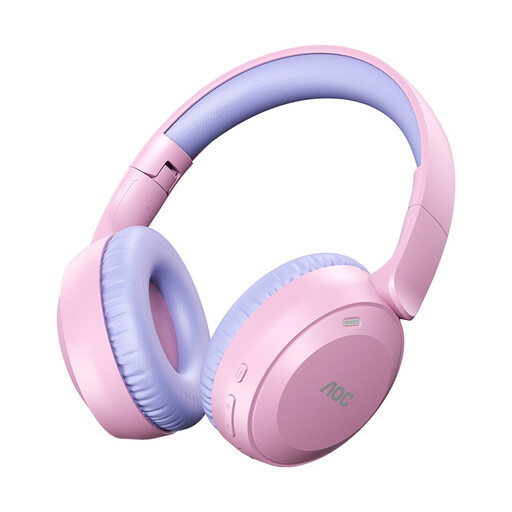
Why This Fits Their Persona: A practical over-ear option for home study, commuting and everyday Bluetooth listening, with a lightweight 182g design and Type-C charging.
The stated 75-hour playtime, foldable construction and Type-C fast charging provide practical details to compare rather than relying only on vague immersion claims.
Bluetooth 6.0, 3D surround sound, 75-hour stated playtime and a foldable 182g frame.
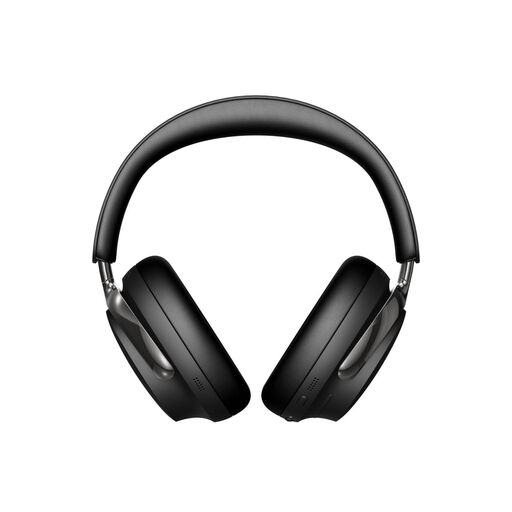
Why This Fits Their Persona: Designed for listeners who prioritise adjustable listening modes, premium materials and immersive audio for flights, films and focused work.
The specification separates Quiet, Aware and Immersion battery figures, making the feature-versus-runtime trade-off clearer.
Bluetooth 5.4, multipoint connection, USB-C audio and a listed 30-hour Quiet/Aware battery figure.
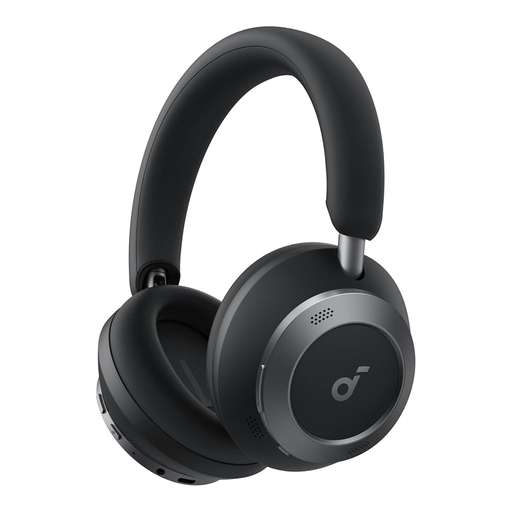
Why This Fits Their Persona: A travel-focused choice for people who want over-ear comfort, adaptive ANC and a compact foldable form for flights or daily rail journeys.
It provides separate ANC and non-ANC battery figures: up to 40 hours with ANC and 60 hours without it, plus a stated five-minute quick charge.
LDAC mode, USB Type-C charging, pressure-relieving headband and FlexiCurve folding design.
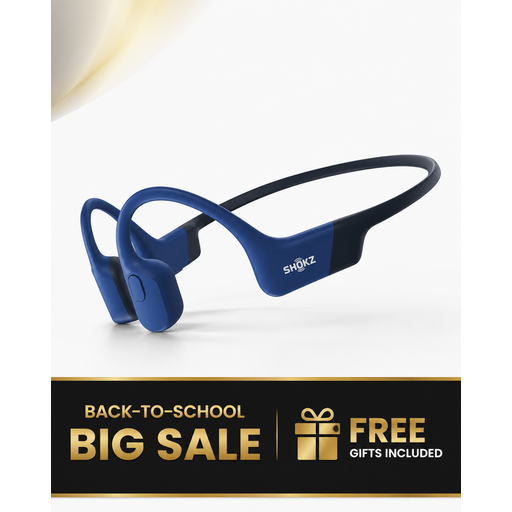
Why This Fits Their Persona: The open-ear format is intended for runners and active users who want to listen while remaining more aware of their surroundings.
The design does not promise to block the outside world. It is intended to preserve environmental awareness, with volume control still important near roads.
IP67 water resistance, an 8-hour stated playtime, secure open-ear fit and a 10-minute quick-charge feature.
Wireless is not automatically more suitable. The Logitech H540 Wired uses USB-A, has inline volume and mute controls and includes a noise-cancelling boom microphone for Windows, macOS and ChromeOS. It can be a straightforward option for online learning or office calls where charging is inconvenient.
For PC and console gaming, the Edifier G2II uses a USB wired connection, 50 mm drivers, a detachable microphone and software-based 7.1 virtual surround sound. Check platform compatibility carefully: the listed specification includes PC, PS4 and Mac, but not Xbox.
You can also browse the wider selection of surround sound headsets if virtual audio, microphone controls or gaming compatibility are your main priorities.
We have compiled a complete, real-time list of products that fully satisfy these strict selection criteria and UK safety regulations.
Their main running cost is electricity for charging, which is generally modest. The more relevant practical cost is battery ageing. Rechargeable batteries gradually lose capacity, so avoid prolonged exposure to heat and follow the supplied charging guidance. A replaceable wired option may be preferable if you need many years of continuous use.
Some models support multipoint, allowing two devices to remain connected. Without multipoint, you may need to disconnect from one device before pairing with another. Check the operating system, Bluetooth profile and app requirements before purchase.
Choose a secure, lightweight design and check water-resistance details. Open-ear headphones such as the Shokz OpenRun can help you remain aware of surrounding sounds, but no headphones remove the need for caution. Keep volume at a level that allows you to hear relevant environmental noise and follow UK road and cycling rules.