For long listening sessions in a dry, sheltered spot, consider over-ear noise-cancelling headphones with a fit you find comfortable and a way to hear interruptions. If compact packing and splash resistance matter more, consider explicitly rated true-wireless earbuds, while checking their single-charge runtime and which parts the water-resistance rating covers. Whichever you choose, pause listening when you need to hear vehicles, people or site instructions.
Who is listening?
Detail-first folk listeners
If you mainly listen while settled at camp, look for a comfortable fit and sound controls that let you follow vocals and quieter instruments without relying on higher volume. An awareness setting can help when listening is interrupted.
Off-grid weekend campers
If charging opportunities are limited, compare playback time in the listening mode you expect to use. Quick charging is useful only when you can access a compatible power source.
Light-rain and low-bulk campers
If you move between your tent and shelter with little room to pack, compact earbuds may appeal. Check the water-resistance rating for the exact model and whether it covers the earbuds, the case or both.
What matters when choosing?
Over-ear headphones for sheltered listening
Choose when: You expect longer, seated sessions in a dry place and want adjustable noise control.
Allow for: More space in your bag, and check the exact model before exposing it to moisture.
Splash-rated true-wireless earbuds
Choose when: Compact packing and a stated splash-resistance rating matter during short periods outdoors.
Allow for: Charging between sessions and separate protection for the case unless its own rating is confirmed.
For acoustic folk at a campsite, decide which comes first: controlled listening, time away from charging or practicality in drizzle.
| Concern |
What to check |
Who this matters to |
| Detail and awareness |
Try the fit for your intended session length; check sound controls and how quickly you can hear someone approaching. |
When I settle in to hear vocals and fingerpicking, I want to follow quieter passages without turning up the volume. Roughly 40% of consumers put controlled listening and detail first. |
| Battery endurance |
Compare single-charge playback in the noise-control mode you intend to use; check how you would recharge away from mains power. |
If power is limited over a weekend, I need my headphones to last between charging opportunities. Around 30% of consumers chiefly prioritise battery endurance. |
| Weather and packing |
Check the exact IP rating and which parts it covers; consider how you will protect the case and cables. |
Moving between tent and shelter in drizzle, I want less to carry and a clear splash-resistance rating. Roughly 30% of consumers put weather practicality first. |
Mistakes to avoid
-
Assuming noise cancellation means rain resistance
Noise control and water resistance are separate features. Sony UK specifies IPX4 for the WF-1000XM6 earbuds; that rating should not be extended to a charging case or a different headphone model.
If splashes are likely, check the rating for the exact product and keep its case and cable dry. Do not charge wet equipment.
-
Comparing battery figures from different listening modes
A figure that includes a charging case is not continuous earbud playback, and a runtime stated with noise cancelling off is not directly comparable with one stated with it on.
Plan around single-charge playback in your intended mode, then check whether you will have enough charging capacity for the rest of your stay.
-
Keeping maximum isolation on around campsite activity
Blocking surrounding sound can make it harder to notice someone speaking, a nearby vehicle or a site instruction. The Camping and Caravanning Club also advises campers to keep noise from radios and other sources to a minimum.
Use an awareness setting where appropriate, and pause or remove your headphones when you need to listen to others. Follow the rules of the site you have booked.
Brands to consider for these listening needs
Sony
Sony has relevant over-ear and true-wireless options for choosing between longer sheltered listening and a compact, splash-rated earbud design.
- Sony UK lists ambient sound mode on both WH-1000XM6 and WF-1000XM6. It states up to 30 hours of music playback with noise cancelling on for the over-ear WH-1000XM6.
- Sony UK states up to 8 hours with noise cancelling on for WF-1000XM6 and specifies IPX4 for those earbuds. Check the protection of any case separately.
Bose
Bose QuietComfort Ultra Headphones (2nd Gen) are an over-ear option to consider for dry, seated listening with adjustable noise control.
- Bose UK states up to 30 hours of battery life and lists adjustable noise cancelling and USB-C audio for this model.
- Bose UK gives a shorter stated runtime of 23 hours with Immersive Audio. Check the exact model’s water-resistance rating before planning damp outdoor use.
Sennheiser
Sennheiser ACCENTUM Plus Wireless is relevant when time away from charging is a stronger priority than carrying compact earbuds.
- Sennheiser states a 50-hour battery life and five hours of playback after a 10-minute charge for ACCENTUM Plus Wireless.
- These are stated battery figures rather than a promise for every listening setting. Check current availability and suitability for moisture exposure before buying.
Joybuy product choices
These choices cover over-ear headphones for sheltered sessions and compact earbuds for listening while moving around camp. Check each model’s weather protection, awareness options and playback time against the conditions you expect.
 No image available
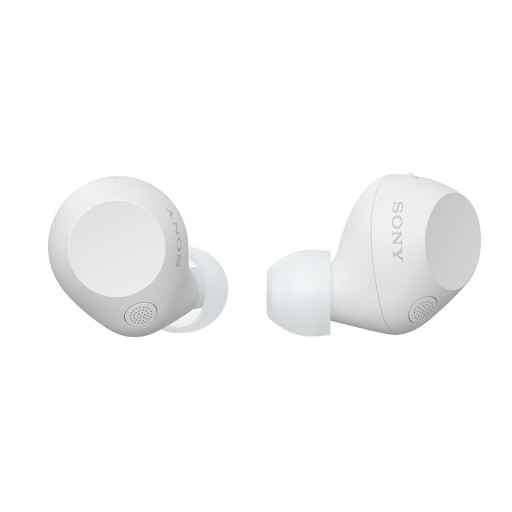
Sony WF-C710N Noise-Cancelling Earbuds, White
Consider these true-wireless earbuds if compact carrying matters while you move around camp. For damp use, confirm the exact water-resistance rating and whether it applies to the earbuds, their case or both.
View on Joybuy
 No image available
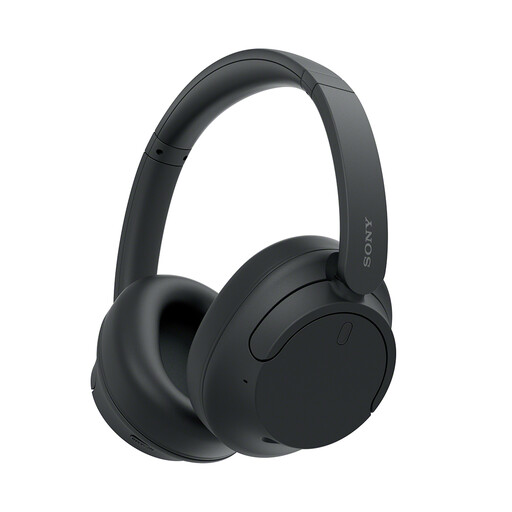
Sony WH-CH720N Noise-Cancelling Over-Ear Headphones, Black
Consider this over-ear model for seated listening in a dry, sheltered spot. Check its playback time in your intended noise-control mode and confirm its moisture suitability before using it in drizzle.
View on Joybuy
 No image available
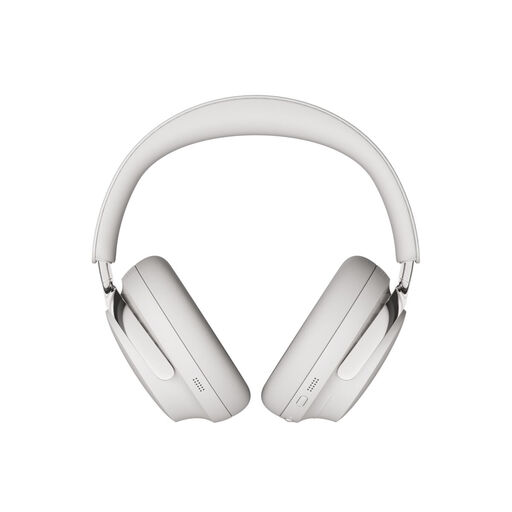
BOSE QuietComfort Ultra (2nd Gen) Headphones, White
Consider these noise-cancelling headphones for longer listening while seated in shelter. Bose UK states up to 30 hours of battery life and lists adjustable noise cancelling and USB-C audio for this model; check the listening-mode conditions, current availability and moisture suitability before buying.
View on Joybuy
 No image available
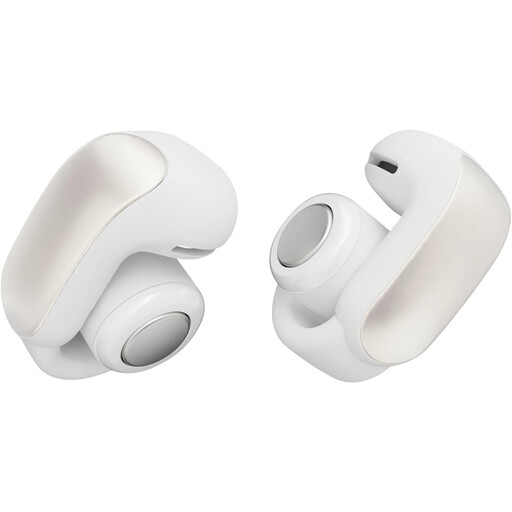
BOSE Ultra Open Earbuds, White Smoke
Consider the open-ear design when hearing nearby activity matters more to you than isolating campsite sounds. It does not replace pausing playback near vehicles or instructions; check the exact water-resistance rating before using the earbuds in rain.
View on Joybuy
 No image available
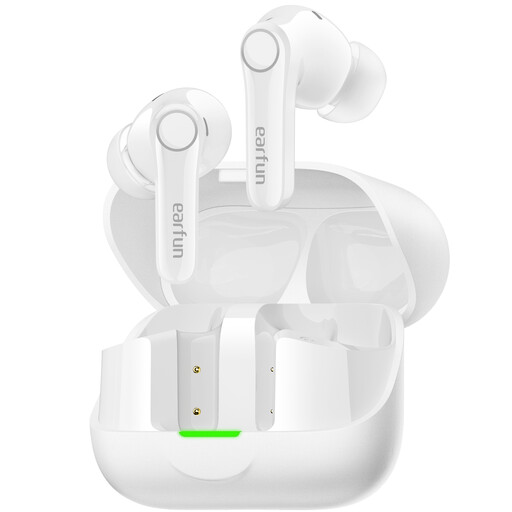
EarFun Air Pro 4+ ANC Earbuds, IP55, White
Consider these compact earbuds if a stated IP55 rating is relevant to your outdoor plans. Check which parts the rating covers, how long the earbuds play on one charge in your chosen mode, and whether they offer the awareness control you need at camp.
View on Joybuy
Common questions
Are noise-cancelling headphones suitable for a campsite?
They can suit personal listening when you can still respond to your surroundings. Pause playback or use an appropriate awareness setting near people and vehicles, and follow your booked site’s rules. The Camping and Caravanning Club advises keeping noise from radios and other sources to a minimum.
Can I wear over-ear wireless headphones in rain?
Check the water-resistance rating of the exact over-ear model before exposing it to rain; noise cancellation alone says nothing about splash protection. Sony UK specifies IPX4 for its WF-1000XM6 earbuds, but that does not establish protection for other models or their charging cases.
Will one charge last a whole camping weekend?
Plan around the stated single-charge runtime in the mode you intend to use, rather than assuming a weekend of uninterrupted playback. Sony UK states up to 30 hours with noise cancelling on for WH-1000XM6 and up to 8 hours in that mode for WF-1000XM6; actual use conditions and your opportunities to recharge still matter.
How should I dispose of unwanted wireless headphones in the UK?
Take unwanted electrical products and batteries to an appropriate recycling point rather than putting them in household rubbish. UK Government guidance covers recycling electrical waste and batteries; check local collection arrangements for a device whose battery cannot be removed.


