Coach travellers revising from spoken notes
If engine or passenger noise makes speech difficult to follow, look for controllable noise cancellation and a way to hear announcements without turning the recording up.


For a long coach journey, start with noise-cancelling over-ear headphones if they fit comfortably and let you follow spoken notes at a sensible volume. Choose compact noise-cancelling earbuds when carrying less bulk matters more, but compare their listening time on one charge with the journey length—not just the runtime quoted with the case.
If engine or passenger noise makes speech difficult to follow, look for controllable noise cancellation and a way to hear announcements without turning the recording up.
If charging opportunities are limited, compare the stated listening time for the mode you intend to use. For earbuds, distinguish time on one charge from the total available with the case.
If notes are split between a phone and a laptop, check switching support for those devices. If bag space is tight, weigh folding earcups against a pocketable earbud case.
Choose when: You expect to listen through much of the journey and prefer earcups, provided the fit remains comfortable for you.
Allow for: More space in your bag than earbuds and the need to check battery claims for the listening mode you use.
Choose when: A pocketable pair matters more than an over-ear design, particularly for shorter coach legs.
Allow for: Earbud fit, a separate charging case and a single-charge figure that may differ substantially from the case total.
For consumers choosing headphones to revise from audio notes on a coach, start with whether speech is easy to follow at a comfortable volume. Then consider fit, time between charges and carrying space.
| Concern | What to check | Who this matters to |
|---|---|---|
| Following speech amid coach noise | Check for active noise cancellation and an ambient mode; try a familiar spoken note at a comfortable volume. | If surrounding noise makes my notes hard to follow, clear speech without turning the volume up is my priority. Around 36% of consumers would put this need first. |
| Comfort and session length | Check how the fit feels over time and compare stated battery life with noise cancellation on where available. | For a long revision session, I need a fit I can tolerate and enough charge to finish listening. Comfort and continuity would come first for around 29% of consumers. |
| Charging and device switching | Check runtime in your intended mode and whether the exact model supports your phone and computer switching needs. | When my notes are on two devices and I travel repeatedly, I want fewer charging and switching interruptions. Around 21% of consumers would prioritise that convenience. |
| Carrying less bulk | Compare folded headphone size with an earbud case; for earbuds, check ANC-on time per charge separately from the case total. | If I have little bag space, a smaller pair matters more to me than an over-ear shape. Compact carry would be the main concern for around 14% of consumers. |
Noise cancellation alone does not establish how clearly you will hear a particular recording or how the headphones will fit you.
Check the controls on the exact model and, where possible, try a familiar voice recording at a comfortable volume.
A case can extend total listening time without extending an uninterrupted session. Apple, for example, specifies up to 8 hours with noise cancellation on for AirPods Pro 3 on one charge and up to 24 hours with its case; those figures concern AirPods Pro 3, not AirPods 4.
Compare single-charge figures under similar listening settings, then consider whether you can recharge during the journey.
Royal Free London NHS Foundation Trust advises that noise-cancelling headphones can help reduce the urge to raise volume against outside noise. Noise cancellation does not make prolonged loud listening safe.
Keep playback only loud enough to understand your notes, take listening breaks and stay aware of your surroundings when boarding, alighting or crossing a road.
Bose’s QuietComfort product information lists an audio cable in the box but also says in its technical specifications that an audio cable is not included. A cable listing alone does not settle how you can use the headphones.
If wired listening matters, confirm the exact retail pack, connector and whether the model works by cable when its battery is empty.
Sony’s WH-1000XM5 is an over-ear option to consider when you want noise cancellation and a carrying case for travel.
Bose’s around-ear QuietComfort headphones offer Quiet and Aware modes for switching between more isolated listening and awareness of your surroundings.
JBL’s Tune 770NC is worth examining if folding storage and connection to two Bluetooth devices matter for your study routine.
These choices include noise-cancelling over-ear headphones for longer listening sessions and compact earbuds for consumers who prefer to carry less. Check the fit and listening time of the particular model against your journey.
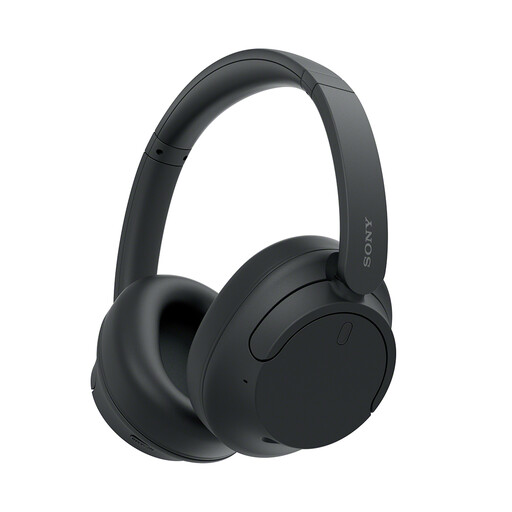 No image available
Consider this wireless over-ear pair if coach noise is your main obstacle to listening. Check the fit over your usual session and try a familiar spoken note at a comfortable volume.
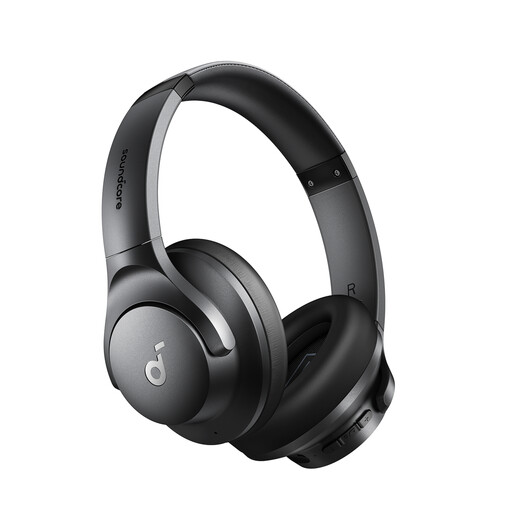 No image available
This over-ear design suits consumers who prefer earcups for coach listening. Check how it fits you and whether spoken notes remain understandable without raising the volume.
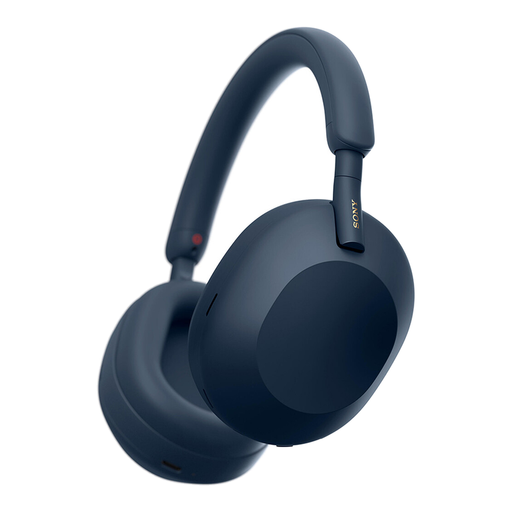 No image available
For coach revision in an over-ear design, this model offers an ambient sound mode when you need to switch your attention to announcements. Sony specifies up to 30 hours of continuous music playback with noise cancellation on and a carrying case; check personal fit and speech clarity separately.
 No image available
Consider these earbuds when carrying a compact pair matters most. Check their fit, compatibility with your intended devices and listening time on one charge with noise cancellation enabled before relying on them for a full journey.
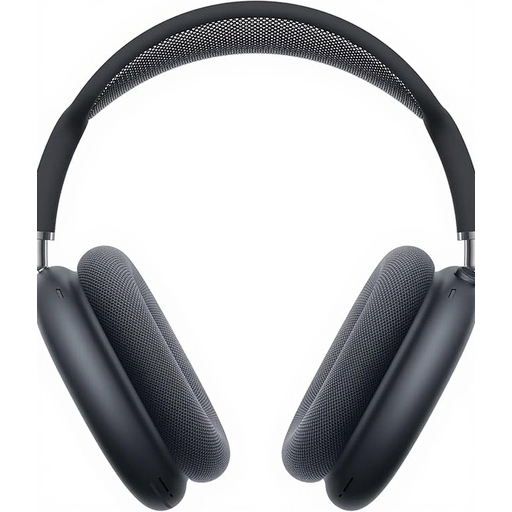 No image available
Consider this over-ear option if you prefer earcups and use compatible Apple devices. Before choosing it for repeated coach journeys, check device compatibility, comfort over a full session and battery duration with noise cancellation enabled.
It can be useful when travel noise makes spoken notes difficult to follow. Royal Free London NHS Foundation Trust says noise-cancelling headphones can help reduce the urge to turn up playback to block outside noise; keep the volume comfortable and remain aware of your surroundings when travelling.
Play them only as loudly as needed to understand the speech. Royal Free London NHS Foundation Trust advises keeping headphone volume below 60% of maximum, limiting listening to an hour at a time and taking a break of at least five minutes each hour; the risk from loud sound also depends on level, duration and how often you listen.
No: a single-charge figure and an earbud case total describe different things, while settings can also change the basis of a claim. Sony specifies up to 30 hours of continuous music playback with noise cancellation on for WH-1000XM5; Apple specifies up to 8 hours with noise cancellation on per charge and up to 24 hours with the case for AirPods Pro 3. Compare the exact models under the listening conditions you intend to use.
An eligible online purchase may have a limited change-of-mind cancellation right if the fit is wrong. GOV.UK distinguishes that right from remedies for faulty goods; check the applicable conditions before opening or using the headphones, as well as any separate retailer returns policy.