Dialogue-first home viewers
If household sounds compete with quiet speech, focus on ANC and an over-ear fit that seals comfortably before considering soundtrack effects.


Start with wireless over-ear headphones that have active noise cancelling (ANC) and fit comfortably, then choose a connection that works with the device you use for films. A wired or compatible USB-C route is worth checking if lip-sync matters to you; spatial and cinema modes are optional listening preferences, not substitutes for noise control. Royal Free London NHS Foundation Trust notes that noise-cancelling headphones can reduce the urge to turn up the volume against outside noise, but volume still needs care.
If household sounds compete with quiet speech, focus on ANC and an over-ear fit that seals comfortably before considering soundtrack effects.
If orchestral detail and a sense of space matter most, check which wired, USB-C or spatial-audio features your viewing device and content can actually use.
If the same headphones serve films, music and calls, assess comfort over a full film alongside battery life, charging and device switching.
For films in a noisy home, settle the fit and noise-control question first. Then check the viewing device’s audio output before weighing sound-processing modes against everyday convenience.
| Concern | What to check | Who this matters to |
|---|---|---|
| Household noise and dialogue | Look for ANC, a comfortable over-ear seal and an ambient mode if you need to hear people or alerts. | If conversation or appliances mask quiet dialogue, I want to hear the film without continually raising the volume. Around 36% of consumers put noise control and dialogue audibility first. |
| Film sound and connection | Check the viewing device’s Bluetooth, analogue or USB-C audio output and the requirements of any spatial mode. | When soundtrack presentation matters to me, I need the headphones and my film source to work together, especially if lip-sync is a concern. For around 29% of consumers, that connection and presentation are the primary need. |
| Full-film comfort | Consider weight, pads and headband fit; assess pressure and heat during a long listening session. | I do not want to remove the headphones before the film ends because the cups or headband become uncomfortable. Comfort comes first for around 21% of consumers. |
| Daily convenience | Compare battery figures for the mode you expect to use, and check whether multipoint is listed if you switch devices. | If I also use the headphones for music and calls, frequent charging or reconnecting would interrupt that routine. Around 14% of consumers prioritise battery life and device switching. |
Noise-cancelling claims are not a shared measurement scale across brands. Fit and the kinds of sound in your home also affect how useful the headphones feel, while strong isolation can make household alerts harder to notice.
Check the fit and any ambient mode, and assess the headphones against the sounds that usually interrupt your viewing.
A headphone’s Bluetooth, USB-C or cable capability does not establish that your television has a usable matching output or that a Bluetooth connection will keep speech in sync with the picture.
Identify the output on your exact television or other film source before choosing a connection route.
A separate transmitter, compatible cable or adaptor may be needed if there is no suitable native output.
Cinema and spatial modes change sound presentation; they do not replace ANC, a comfortable seal or a compatible source. Bose also states a lower battery maximum for its QuietComfort Ultra Headphones (2nd Gen) when Immersive Audio is enabled.
Compare standard playback and the optional mode with familiar film scenes, then use the presentation you prefer.
Royal Free London NHS Foundation Trust advises that noise-cancelling headphones can help avoid raising volume to block outside sound. ANC does not make high-volume listening harmless.
Set a comfortable volume rather than using loudness to compete with the room, and take listening breaks.
The WH-1000XM6 is an over-ear ANC option for listeners who want multipoint device switching and an analogue cable route.
The QuietComfort Ultra Headphones (2nd Gen) suit viewers interested in Cinema Mode, Immersive Audio and a USB-C audio option.
MOMENTUM 4 Wireless is a route to consider if adjustable sound settings and less frequent charging are priorities.
AirPods Max 2 offers an Apple-device route for supported Personalised Spatial Audio and USB-C audio.
These wireless over-ear models offer noise cancelling for film listening at home. Check the exact connection to your viewing device and the fit you need rather than treating an optional sound mode as a reason to choose on its own.
 No image available
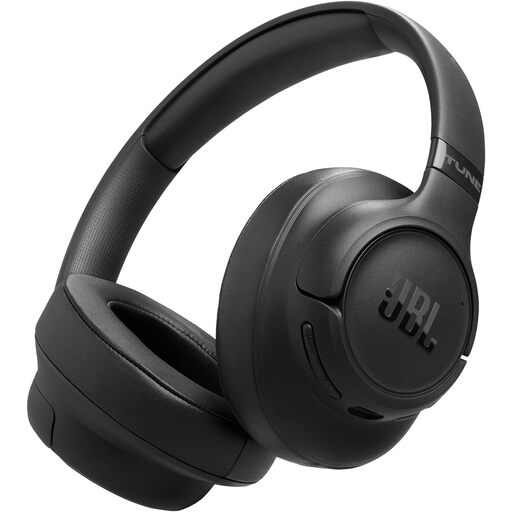
Consider this model if household noise makes an over-ear ANC design a priority. Check how you would connect it to your film source and whether the earcups seal comfortably.
The product title identifies adaptive noise cancelling and a black finish.
 No image available
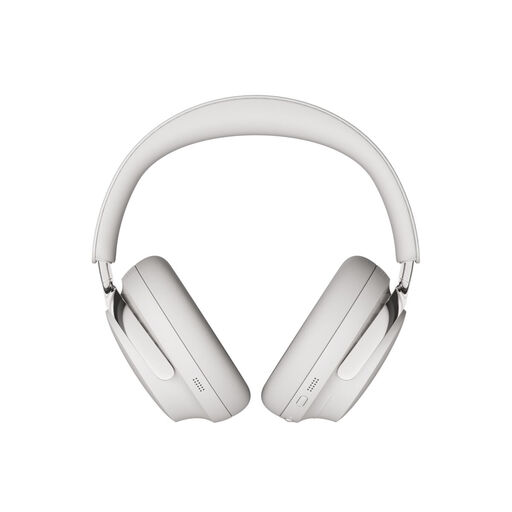
Consider this model if you want to try Bose’s Cinema Mode with films, provided you like its sound presentation and can use your intended source connection.
Bose lists ANC, Immersive Audio and USB-C audio. Its stated battery maximum is up to 30 hours, or up to 23 hours with Immersive Audio; confirm that your source supports the connection you plan to use.
 No image available
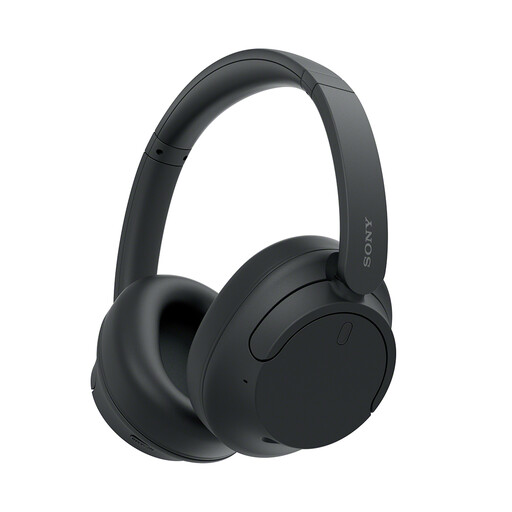
This noise-cancelling model is relevant if you want to reduce household distractions while watching films. Before choosing it for a television, check the television’s audio outputs and whether your planned connection meets your lip-sync needs.
The product title identifies an over-ear design, noise cancelling and a black finish.
 No image available
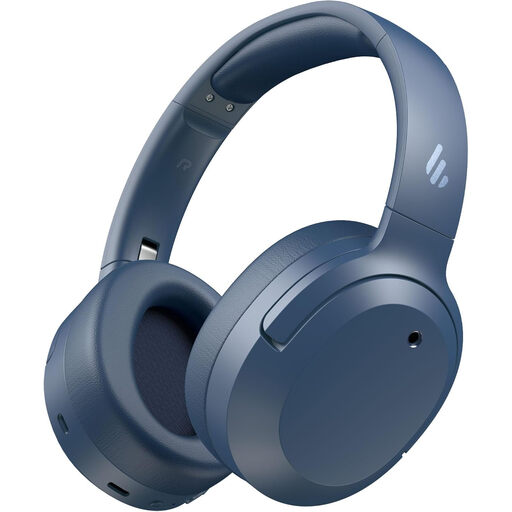
Consider this model if adjustable soundtrack presentation is important alongside noise cancelling. Confirm whether the item is the W820NB Plus or Gen 2 variant before relying on variant-specific features or planning a USB-C audio connection.
The product title identifies ANC, spatial sound, multipoint and a navy finish; its battery and noise-reduction figures should not be treated as comparable test results.
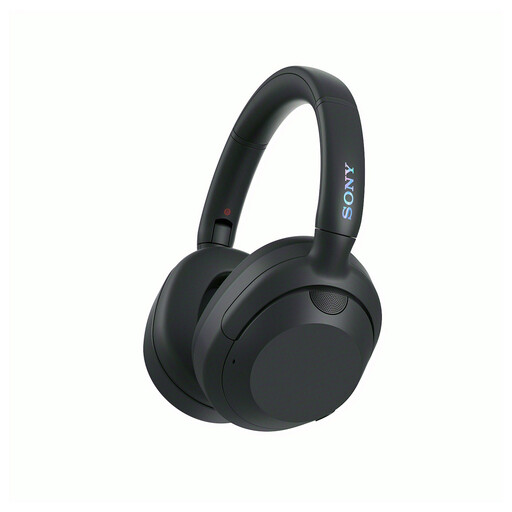 No image available
This noise-cancelling model is relevant to listening when household sounds are distracting. Check the exact source connection for film playback and confirm the battery specification under the listening mode you expect to use.
The product title identifies the WH-ULT900N ULT Wear model, an over-ear design and a black finish.
Yes, it can reduce the urge to raise the volume just to cover outside sound, but it does not make loud listening safe. Royal Free London NHS Foundation Trust advises keeping volume only as high as needed and taking regular breaks.
Check the entire connection from your film source to the headphones rather than relying on the headphone’s Bluetooth version. If delay is a concern, identify a wired or compatible USB-C route: Sony lists a 3.5 mm cable option for the WH-1000XM6, while Bose and Apple describe USB-C audio capabilities for the QuietComfort Ultra Headphones (2nd Gen) and AirPods Max 2 respectively. Your source must support the route you choose.
No; it changes the presentation, and you may prefer ordinary stereo playback. Bose describes Cinema Mode for video, while Apple lists Personalised Spatial Audio with dynamic head tracking for supported use. Compare modes with familiar scenes and consider any battery trade-off before leaving processing switched on.