Late-night commentary listeners
If you want to hear punditry without using room speakers, start with fit and a closed over-ear design. Check whether someone else can hear the headphones at your normal listening volume.


Closed, over-ear wireless headphones are a practical starting point for following football analysis without room speakers. Choose according to fit, charging needs and the connection your listening device supports. Noise cancelling reduces distractions for the wearer but does not establish what a roommate will hear, so check sound leakage at your usual volume.
If you want to hear punditry without using room speakers, start with fit and a closed over-ear design. Check whether someone else can hear the headphones at your normal listening volume.
If charging interruptions and pressure from the earcups matter to you, compare battery claims under their stated conditions and assess comfort through a full programme.
If you switch between a phone, laptop and television, check each source’s audio connections. Sony UK advises that its compatible Android and Google TVs need Bluetooth A2DP support to pair with Bluetooth audio devices.
For football analysis in a shared bedroom, work out how to follow speech without room speakers, then consider comfort over a full programme and the connection to your actual device.
| Concern | What to check | Who this matters to |
|---|---|---|
| Private, intelligible listening | Check the earcup design and fit; test sound leakage at your usual speech volume rather than treating noise cancelling as a leakage rating. | I want to follow late-night analysis without speakers or turning the headphones up to compete with room noise; around 46% of consumers put private, intelligible listening first. |
| Comfort and charging | Assess earcup pressure and warmth through a full programme, and compare battery claims under their stated settings. | For several programmes between charges, I need headphones I can keep wearing comfortably; roughly 27% of consumers prioritise long sessions and fewer charging interruptions. |
| Source-device connection | Confirm Bluetooth audio support on the exact TV or other source; check its output and both cable connectors before relying on a wired fallback. | If I listen through a particular television, the headphones need a workable audio connection to it; about 27% of consumers make source compatibility their primary concern. |
Noise cancelling addresses sound reaching the wearer. A headphone’s noise-cancelling feature alone cannot tell you how much commentary escapes into the room.
Start with a closed over-ear design, keep the volume restrained and check leakage at your normal listening level while a return option is available.
A TV’s Bluetooth functions do not necessarily include headphone audio. Sony UK says its Android and Google TVs need A2DP support to pair with Bluetooth audio devices.
Look up the exact TV model’s Bluetooth audio support and available audio outputs before deciding on headphones or a fallback connection.
A TV without suitable Bluetooth audio output may require a compatible transmitter or a wired route.
Manufacturer battery figures can refer to different operating conditions. They do not establish how long every pair will run at your volume and settings.
Read the conditions attached to each claim and leave some charging margin for a long programme.
Battery-powered headphones need an appropriate electrical-waste route at end of life. Great Britain’s WEEE framework promotes recovery, reuse and recycling of electrical equipment.
Check your local electrical-waste collection options or a retailer take-back route when replacing them.
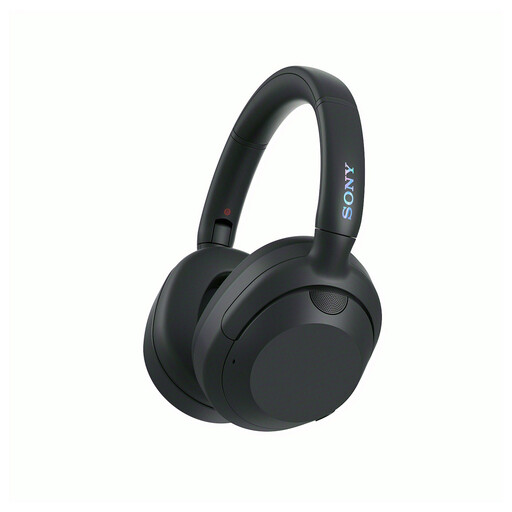
The WH-1000XM6 is one Sony example for listeners considering a closed, over-ear model with noise control and device switching.
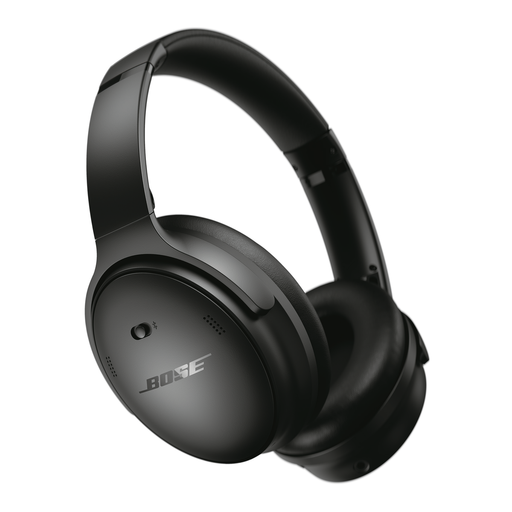
QuietComfort Headphones are an around-ear option to consider if selectable listening modes and a cable fallback matter.
ACCENTUM Plus Wireless is an over-ear noise-cancelling option for listeners who place particular weight on time between charges.
These wireless over-ear choices offer different starting points for listening to football analysis without room speakers. Check fit and sound leakage in your bedroom, and confirm the connection to your chosen source before relying on any pair for TV audio.
 No image available
Consider this wireless over-ear model if you want noise control while following commentary. Check how it fits and how much sound escapes at your usual volume; confirm your source can send it audio.
 No image available
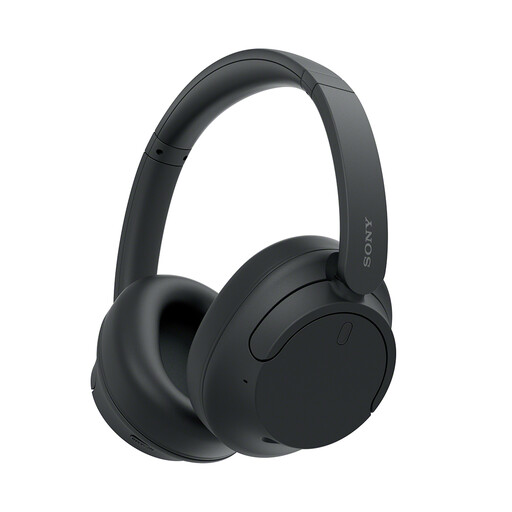
This over-ear noise-cancelling model is an option for listening without room speakers. Assess comfort through a full programme and check leakage at your listening volume; a TV connection depends on the TV’s audio support.
 No image available
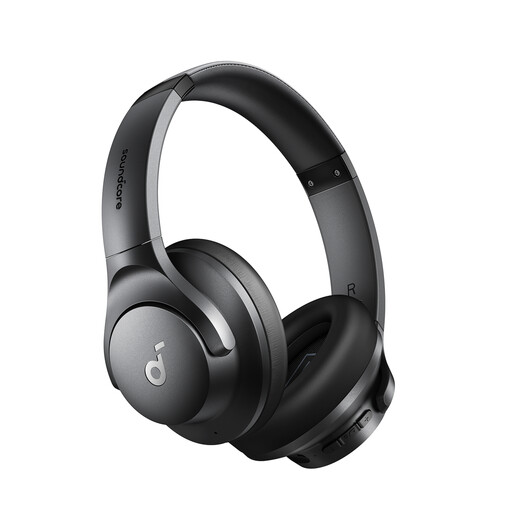
Consider the Q21i if an over-ear wireless pair with noise cancelling fits your listening plans. Check personal fit and roommate-heard leakage, then verify the connection you intend to use with your source device.
 No image available
This model is worth considering if you want wireless listening with a possible cable fallback. Bose UK states up to 24 hours of battery life and an included 3.5 mm-to-2.5 mm cable; check the source socket and test leakage at your usual volume.
 No image available
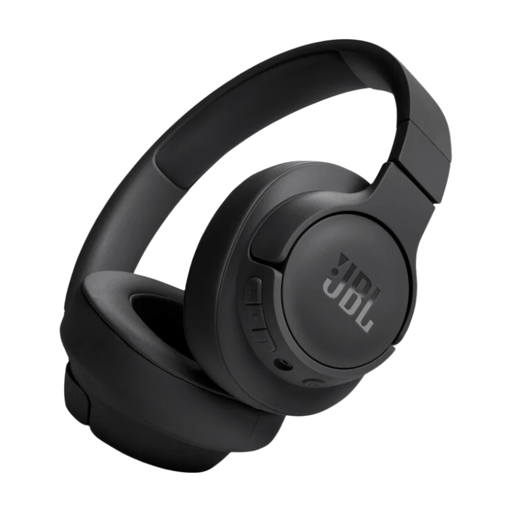
Consider this over-ear wireless pair if listening without room speakers is your starting point. If noise cancellation matters in your bedroom, confirm the features you need before choosing it; also check fit, leakage and source-device compatibility.
No, noise cancelling alone cannot establish that your roommate will hear nothing. It addresses distractions for the wearer; check outward sound leakage at your normal volume in the room where you will listen.
They can if the specific TV supports compatible Bluetooth audio output. Sony UK says its Android and Google TVs need A2DP support to pair with Bluetooth audio devices, so check your TV model’s manual rather than assuming any Bluetooth function will carry sound.
A cable can provide another connection route when the source has a compatible audio output. Bose UK lists a 3.5 mm-to-2.5 mm cable for QuietComfort Headphones, while Sony UK lists a detachable stereo mini cable for WH-1000XM6; check the connectors for the exact headphones and source you choose.
Use the lowest volume at which you can comfortably follow speech, and keep track of how long you listen. The World Health Organization’s adult safe-listening reference is 80 dB for 40 hours per week; compatible volume-limiting and exposure-tracking features can help you manage listening time.
Use an appropriate electrical-waste collection or retailer take-back route where available. Great Britain’s WEEE framework encourages recovery, reuse and recycling of electrical equipment; check local arrangements when it is time to replace your headphones.