Dialogue-focused listeners
If quiet speech, accents or interview details are difficult to follow when people type or move nearby, a secure fit and controllable noise reduction may matter more to you than a particular sound profile.


For author interviews in a quiet library, start with well-fitting, closed-back over-ear wireless headphones with adjustable active noise cancellation (ANC) if nearby sounds make dialogue harder to follow; keep the volume low rather than treating ANC as a reason to turn it up. In RTINGS’ comparison, Sony WH-1000XM6 isolated slightly more noise than Bose QuietComfort Ultra Headphones (2nd Gen), while the Bose model fitted more people comfortably, including glasses wearers. Sennheiser MOMENTUM 4 Wireless is another route if its manufacturer-stated battery life matters more to you than that small, independently tested isolation difference.
If quiet speech, accents or interview details are difficult to follow when people type or move nearby, a secure fit and controllable noise reduction may matter more to you than a particular sound profile.
If you listen through several interviews or lectures at once, check pressure around your head and ears as well as the seal. A fit that reduces outside sound may not remain comfortable throughout a long session.
If you carry headphones between study, work and home, charging frequency matters. You may also want a way to hear someone addressing you without taking the headphones off.
Check fit and low-volume speech clarity before comparing battery claims. Then consider how easily you can hear staff or reconnect to your usual listening device.
| Concern | What to check | Who this matters to |
|---|---|---|
| Clear dialogue at a low volume | Check the over-ear seal and adjustable ANC. Try an awareness setting if you need to hear someone nearby. | If movement or conversation breaks my concentration, I want to follow the speaker without turning the volume up. Around 42% of consumers put intelligible dialogue first. |
| Comfort through a full interview | Wear the headphones for a sustained seated session, particularly if you wear glasses; check ear and headband pressure. | I may listen for hours, so a fit that becomes uncomfortable would interrupt the interview even if it blocks noise well. For around 33% of consumers, lasting comfort is the primary concern. |
| Fewer charging and connection interruptions | Compare battery figures under the modes you intend to use, and confirm any wired option works with your device. | When I move between regular library sessions, I want my headphones ready to use without changing my listening plans around charging. Keeping those interruptions down comes first for around 25% of consumers. |
Noise reduction may lessen the urge to raise the volume, but listening level and duration still matter.
Keep speech only as loud as you need to follow it and take breaks. The World Health Organization advises setting a device to no more than 60% of its maximum volume as a safe-listening measure.
Ear pads that do not seal well can let in more sound, while pressure around the ears or glasses can make a long interview uncomfortable. RTINGS found comfort and glasses fit differed between Sony WH-1000XM6 and Bose QuietComfort Ultra Headphones (2nd Gen).
Check the seller’s return terms before buying, then assess fit during a seated listening session as well as trying the noise controls.
Private playback does not make calls or spoken discussion suitable for a silent area. The University of Reading distinguishes quiet areas from silent ones, and the University of Manchester asks library users to keep noise low in shared spaces.
Follow the rules for your particular area, silence phone alerts and move to an appropriate place before taking a call.
The WH-1000XM6 is a closed-back wireless ANC option to consider when nearby distractions are the main obstacle to following an interview.
QuietComfort Ultra Headphones (2nd Gen) are an over-ear ANC option for listeners weighing comfort, adjustable noise control and USB-C audio.
MOMENTUM 4 Wireless is an over-ear ANC option for repeated listening sessions when time between charges is a priority.
These wireless headphone choices are relevant to private spoken-word listening. Check the fit and noise controls of the exact model you choose; the Sony WH-CH720N and Bose QuietComfort models below are not the WH-1000XM6 and QuietComfort Ultra models discussed in the independent comparison.
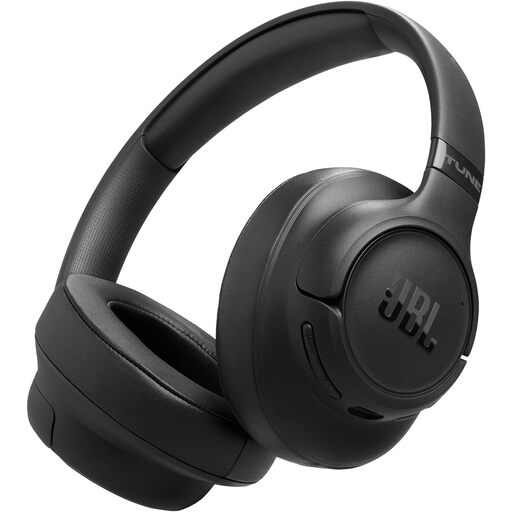 No image available
Consider this model if intermittent nearby noise makes an interview harder to follow. Its adaptive noise-cancelling design is worth trying at a comfortable volume; check the earcup fit over a full session and how readily you can hear staff when needed.
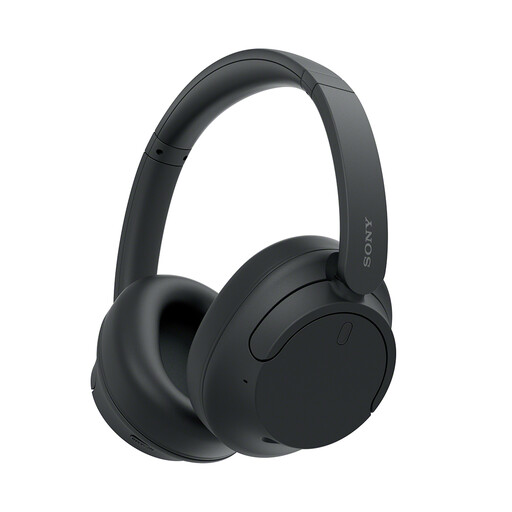 No image available
The over-ear noise-cancelling design is relevant if occasional background sounds interrupt spoken interviews. Check its seal and long-session comfort for yourself; RTINGS’ isolation comparison of the different WH-1000XM6 model does not establish this model’s performance.
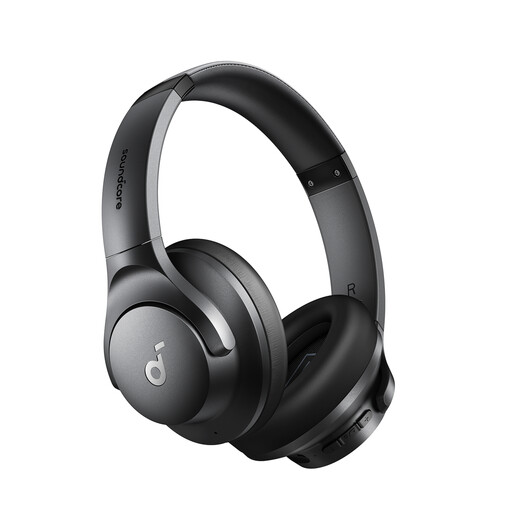 No image available
This is an over-ear wireless option for listening when intermittent library sounds compete with speech. Try its noise controls without raising playback volume, and check whether the fit stays comfortable through a longer interview.
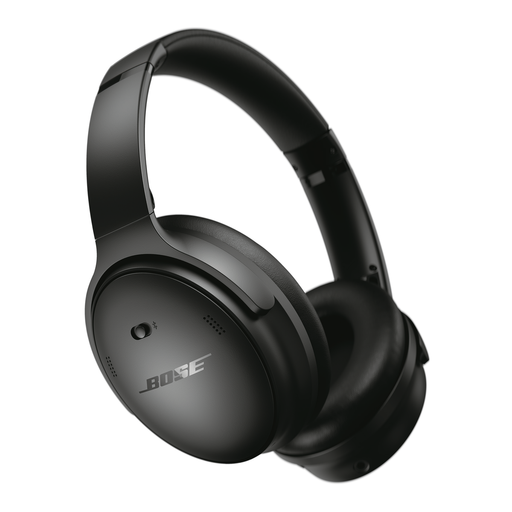 No image available
Consider this QuietComfort model if you want to adjust your listening as the library becomes quieter or busier. Check its fit over an extended session and test how easily you can hear someone addressing you; findings about QuietComfort Ultra Headphones (2nd Gen) do not apply automatically to this model.
 No image available
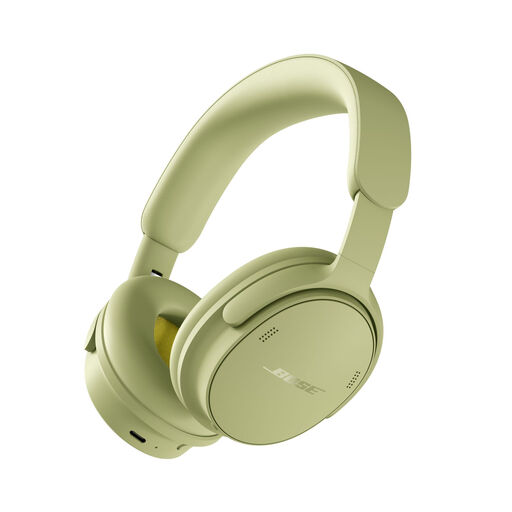
If you move between private listening and speaking to library staff, check this variant’s controls and connection options against your needs. Confirm its fit and headphone style before buying rather than assuming they match another QuietComfort model.
Follow the rules for the particular library zone and keep playback private. The University of Reading requires minimal noise in quiet areas and silence in silent areas; the University of Manchester advises using headphones for audio in shared study spaces. Silence alerts and move elsewhere before taking a call.
ANC can be useful when intermittent typing, movement or conversation draws your attention away from an interview, but it will not guarantee silence. Prioritise a comfortable seal and use an awareness setting when you need to hear staff or someone beside you.
Use only enough volume to follow the speech comfortably, and consider how long you listen. The World Health Organization advises keeping a device at no more than 60% of maximum volume; Royal Free London NHS Foundation Trust also advises taking breaks and notes that noise-cancelling headphones can reduce the urge to turn up the sound.
No: headphones are not a substitute for assessing a persistent hearing problem. If you regularly struggle to understand speech or need unusually high volume, NHS guidance advises seeing a GP; seek urgent help for sudden hearing loss.
Confirm that the seller’s product documentation applies to the delivery market rather than assuming Great Britain guidance covers Northern Ireland. GOV.UK’s Radio Equipment Regulations guidance cited here addresses Great Britain; keep the exact model and seller details available if you need to ask about the applicable conformity information.