What matters when choosing
Start with disturbance to the other person and your ability to follow speech; assess fit over a full practice session before giving device switching or battery life priority.
| Concern |
What to check |
Who this matters to |
| Disturbing a roommate |
Look for a model-specific sound-leakage assessment; check audibility at your usual drill volume in the room. |
If someone is trying to rest beside me, I want to know whether they can hear my drills. Around 36% of consumers put avoiding that disturbance first. |
| Following speech over room noise |
Check whether the exact model has noise cancelling and whether speech remains clear at a comfortable volume. |
When household sound competes with a dialogue exercise, I do not want to keep turning up the audio. For around 29% of consumers, following speech without doing so is the main concern. |
| Comfort during repeated drills |
Assess ear-cup and headband fit over a practice-length session, particularly if you wear glasses. |
Replaying passages means I may wear headphones for a while, so pressure and fit matter to me. Sustained comfort comes first for around 21% of consumers. |
| Changing lesson devices |
Confirm two-device pairing for the exact model; read battery claims alongside their operating conditions. |
If my drills are on a phone and lesson material is on a computer, I want to move between them without repeated pairing. Around 14% of consumers prioritise that device-switching need. |
Wireless headphones on Joybuy
These wireless over-ear models offer options to consider for spoken drills, particularly where room noise, fit or switching lesson devices affects your choice. Check outward leakage in your shared room rather than treating a noise-cancelling label as an answer.
 No image available
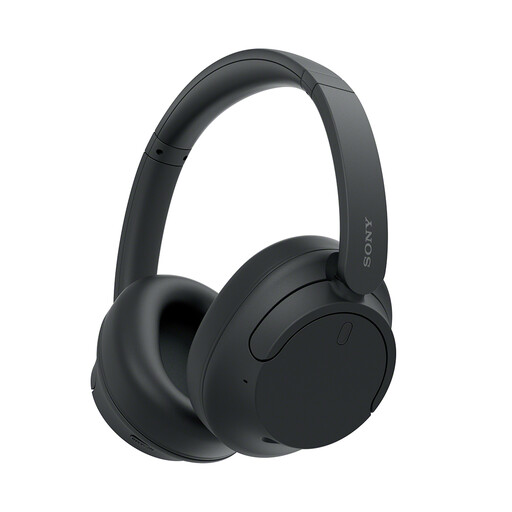
Sony WH-CH720N noise-cancelling over-ear headphones, black
Consider the WH-CH720N if you use two lesson devices: Sony states that this model can pair with two Bluetooth devices. Its battery claim is up to 35 hours; check the operating settings relevant to your practice.
For shared-room use, check leakage at your normal volume and wear the over-ear headphones long enough to judge the fit.
View on Joybuy
 No image available
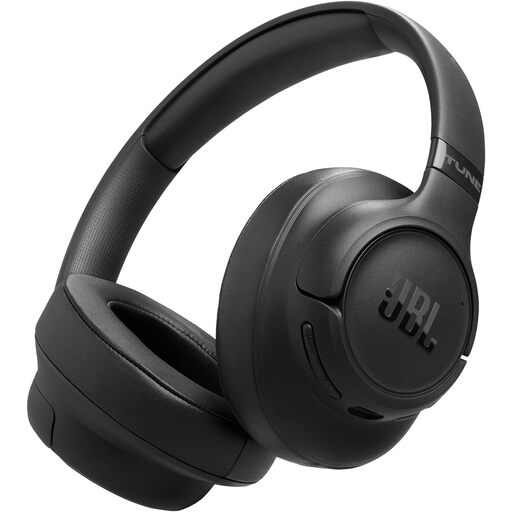
JBL Tune 780NC wireless over-ear adaptive noise-cancelling headphones, black
If room noise competes with spoken drills, this wireless over-ear model is worth assessing for its stated adaptive noise cancelling. Try it with speech at a comfortable volume.
Check outward leakage separately, and judge fit over a practice-length session.
View on Joybuy
 No image available
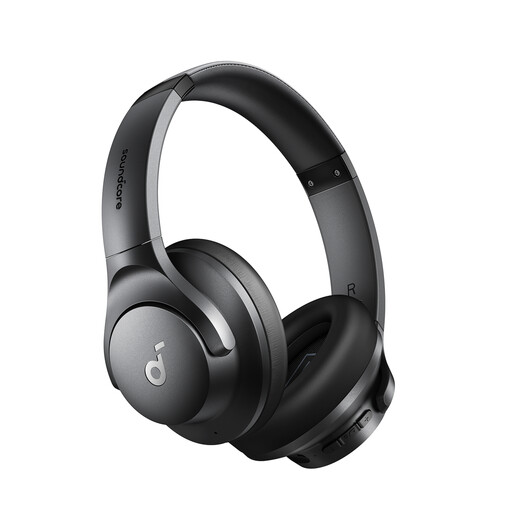
soundcore Q21i noise-cancelling wireless over-ear headphones, black
For drills affected by household noise, assess whether the Q21i’s stated noise-cancelling function helps you follow speech without raising the volume.
Its over-ear design alone does not settle comfort or what a roommate can hear; check both during your usual session.
View on Joybuy
 No image available
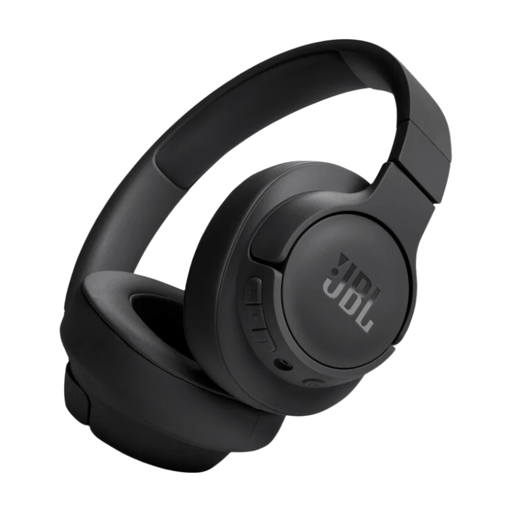
JBL Tune 720BT wireless over-ear headphones, black
For lessons that move between a phone and another device, check the Tune 720BT’s pairing instructions against the way you intend to switch audio.
Do not assume that a wireless over-ear model provides noise cancelling or contains sound well enough for a shared bedroom; confirm the features you need and check leakage in the room.
View on Joybuy
Common questions
Will noise cancelling stop my roommate hearing language drills?
No, noise cancelling alone cannot establish how much audio escapes from your headphones. Which? treats sound leakage as a separate assessment, so look for model-specific testing and check audibility at your normal volume in the actual room.
Can I use the same headphones with a phone and laptop?
Yes, if the exact model supports the pairing arrangement you need. Sony states that the WH-CH720N can pair with two Bluetooth devices, while JBL lists two-device connection for the Tune 770NC; check the manual for setup and switching behaviour.
What should I do during a long listening session?
Keep speech at a comfortable volume and take regular breaks. RNID recommends a break of at least five minutes every hour; test the headphones’ fit over a full practice session rather than relying on a brief try-on.
What should I check before relying on a home fit test?
Check the specific seller’s return conditions before buying, then test comfort and sound leakage while those conditions still allow you to act. Also confirm whether the accessories you need are included with the exact model.
How should I dispose of wireless headphones in the UK?
Take unwanted electrical headphones to an appropriate recycling collection point rather than putting them in household rubbish. GOV.UK gives this advice for electrical products and batteries.


