Who these headphones suit

Detail-focused home listeners

If you replay birdsong, rain or field recordings for long stretches, fit and sound-adjustment controls may matter as much as noise cancelling. Sony specifies an over-ear design for the WH-1000XM6, while Sennheiser describes sound-personalisation options for the Momentum 4 Wireless; neither feature establishes which tuning you will prefer.

Noise-sensitive travellers and commuters

On a train or in a shared space, you may want to hear quieter passages without repeatedly raising the volume. The World Health Organization advises using well-fitted noise-cancelling headphones in noisy situations to reduce the need to turn sound up.

Portable outdoor listeners

For listening between locations, compact carrying and a secure ear-tip fit may take priority. Sennheiser specifies several tip and fin sizes and a transparency mode for the Momentum True Wireless 4; check whether the fit and awareness setting work for your surroundings.

What matters when choosing

Over-ear headphones

Choose when: You mainly listen at home or while travelling and want extended playback without returning the headphones to a charging case.

Accept: A larger item to carry, with comfort and manufacturer-quoted runtime still dependent on the model and how you use it.

True-wireless earbuds

Choose when: A pocketable option for walks or shorter sessions is more useful than an over-ear fit.

Accept: Greater dependence on ear-tip fit and a charging case; total case-inclusive playback is not uninterrupted listening time.

Concern What to check Who this matters to
Recording detail and adjustment Check the exact model’s sound controls and whether its codec or wired options work with your source device. Specifications alone cannot establish how you will hear a particular recording. If quiet or layered sounds are what draw me to a recording, I want playback I can adjust to my preference. Around 36% of consumers put recording detail and sound adjustment first.
Background noise Check the fit, noise-cancelling controls and availability of a transparency or aware mode. The World Health Organization advises well-fitted noise-cancelling headphones in noisy places to reduce the need to raise volume. On a noisy journey, I want to follow quieter passages without turning the volume up to compete with my surroundings. Roughly 29% of consumers prioritise reducing distractions.
Comfort and uninterrupted playback Try the fit and compare playback under the settings you expect to use. For earbuds, distinguish a single charge from the total available with case recharges. For a long listening session, I need a fit I can tolerate and enough playback before recharging. Around 21% of consumers make comfort and uninterrupted listening their main concern.
Portability and awareness Check carrying size, available ear tips and how quickly you can switch to an awareness mode. Test that mode rather than assuming it will reveal every nearby sound. When moving between locations, I want something compact while still being able to attend to my surroundings. About 14% of consumers put portability and awareness first.

Mistakes to avoid

  • Assuming technical audio labels settle sound quality

    A frequency-response range, codec list or “high-fidelity” description does not tell you whether your phone and recordings can use a feature, or whether you will like the tuning.

    Confirm compatibility and available sound controls, then, where practical, assess the fit and tuning with familiar recordings before committing.

  • Comparing earbud-and-case hours with continuous playback

    A case-inclusive figure counts later recharges. Sennheiser quotes up to 7.5 hours per charge for the Momentum True Wireless 4 and up to 30 hours with its case.

    Start with the single-charge figure if you want an uninterrupted session, then consider when you can recharge the earbuds.

  • Treating noise cancelling as permission to turn up the volume

    Noise cancelling can reduce the temptation to compete with background noise, but it does not make high-volume listening safe. Isolation can also be unsuitable when you need to hear what is happening nearby.

    The World Health Organization advises keeping device volume to no more than 60% of maximum. Use an awareness mode or remove the headphones when you need to hear your surroundings.

  • Putting old rechargeable headphones in general rubbish

    Headphones are electrical equipment with a potential reuse or recycling route rather than an item to discard without checking local arrangements.

    When replacing a pair, check your local authority’s collection guidance or a retailer’s take-back options.

Relevant headphone brands

Sony

Sony’s WH-1000XM6 is a closed, over-ear example for listeners considering noise cancelling, ambient-sound controls and optional wired use.

  • Sony specifies approximately 254 g and up to 30 hours of continuous music playback with noise cancelling on, or 40 hours with it off, for the WH-1000XM6.
  • Its stated frequency-response range and supported codecs are model specifications, not evidence that every recording or source device will sound preferable.

Sennheiser

The Momentum 4 Wireless offers an over-ear route with sound-adjustment controls; the Momentum True Wireless 4 offers a smaller earbud format with fit options and transparency mode.

  • Sennheiser quotes up to 60 hours for the Momentum 4 Wireless and provides EQ, presets and Sound Personalization.
  • For the Momentum True Wireless 4, Sennheiser’s quoted 30 hours includes its charging case; up to 7.5 hours is the per-charge figure. These totals should not be compared as uninterrupted playback.

Bose

Bose describes the around-ear QuietComfort Ultra Headphones as an option with selectable Quiet and Aware modes.

  • Bose specifies an included audio cable and quotes 24 hours of battery life for this model.
  • Bose’s descriptions of its sound and noise cancelling are manufacturer claims, not independent comparisons with the other models discussed here.

Joybuy headphone options

These over-ear headphones and true-wireless earbuds offer different ways to balance focused listening, portability and awareness. Check fit and source-device compatibility alongside the features relevant to where you listen.
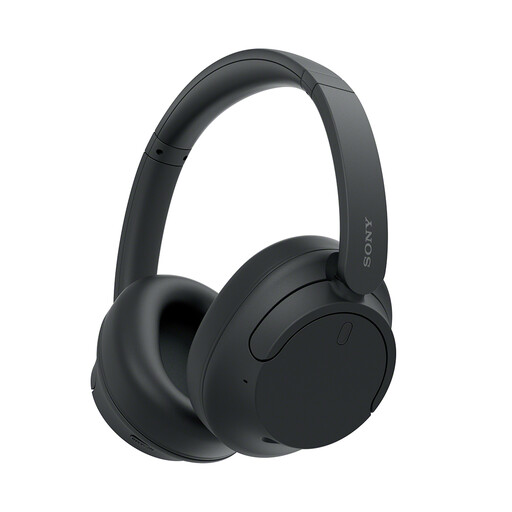
Sony WH-CH720N over-ear headphones in black

Sony WH-CH720N Noise-Cancelling Over-Ear Headphones (Black)

An over-ear option to consider for longer sessions where household or travel noise is distracting. The listing describes app EQ, noise cancelling, an ambient-sound option and an included 3.5 mm cable.

The listing specifies 192 g and quotes up to 35 hours of playback with noise cancelling on. Check the fit for extended wear, and test the ambient-sound setting before relying on it to hear nearby sounds.

View on Joybuy
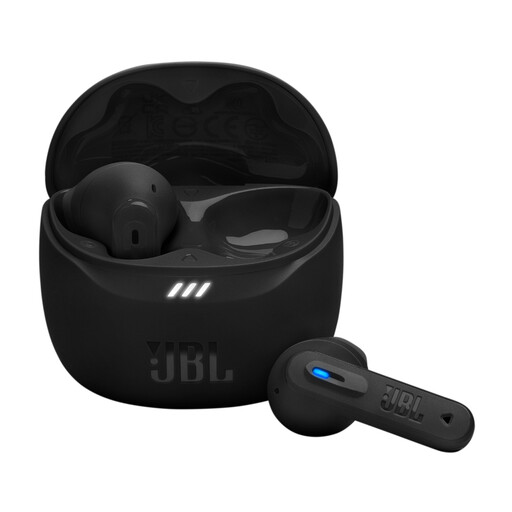
JBL Tune Flex 2 true-wireless earbuds in black

JBL Tune Flex 2 True-Wireless Noise-Cancelling Earbuds (Black)

A compact option for moving between listening locations when you want to switch between noise cancelling and surrounding sound. The listing describes adaptive noise cancelling, a transparency setting, app-based sound personalisation and several ear-tip options.

It quotes up to 8 hours per charge with noise cancelling on. Check the case-inclusive playback figure before buying, as the listing gives conflicting totals; test the fit and transparency setting in the places you intend to use them.

View on Joybuy
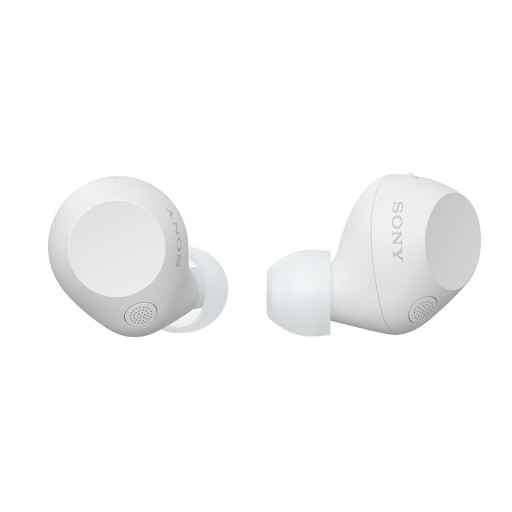
Sony WF-C710N true-wireless earbuds in white

Sony WF-C710N Noise-Cancelling True-Wireless Earbuds (White)

These earbuds suit a portable listening setup where you want both noise cancelling and an option to admit surrounding sound. The listing describes Ambient Mode, app sound customisation and hybrid silicone-rubber ear tips.

It quotes up to 8.5 hours per charge with noise cancelling on; the stated 30-hour total includes the charging case. Check the fit and try Ambient Mode before depending on it for awareness.

View on Joybuy
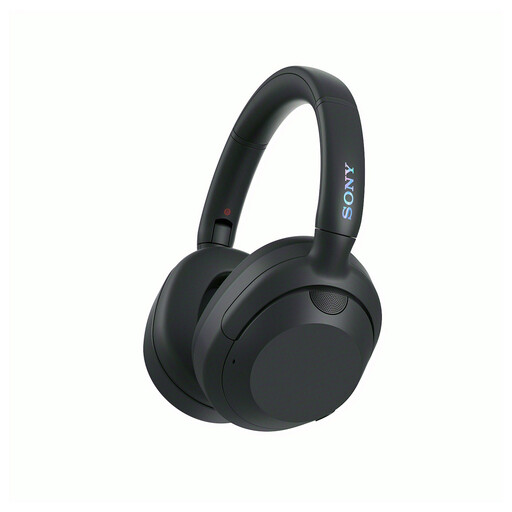
Sony WH-ULT900N ULT Wear over-ear headphones in black

Sony WH-ULT900N ULT Wear Noise-Cancelling Over-Ear Headphones (Black)

An over-ear option for focused listening or travel when a wired alternative is useful. The listing describes noise cancelling, an ambient-sound option, a detachable 3.5 mm cable and a carry case.

It specifies 254 g and quotes up to 30 hours with noise cancelling on. If adjusting the sound or using a particular codec is important to you, confirm the available controls and formats for this model.

View on Joybuy
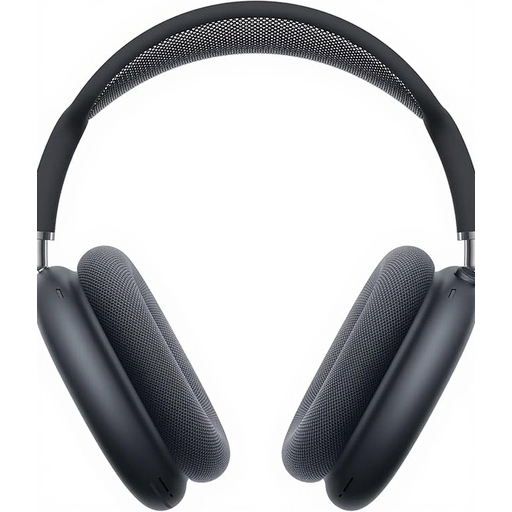
Apple AirPods Max with USB-C in Midnight

Apple AirPods Max (USB-C, Midnight)

An over-ear option for listeners who want to switch between noise cancelling and Transparency mode. The listing describes Bluetooth, USB-C charging, an included Smart Case and charging cable.

It quotes up to 20 hours of battery life. Check the features available with your specific source device and software, particularly if you do not use a compatible Apple device, and assess the fit for longer sessions.

View on Joybuy

Frequently asked questions

Are over-ear headphones or earbuds better suited to my nature recordings?

Choose over-ear headphones if longer sessions and reducing distractions matter more than pocketability; choose true-wireless earbuds if compact carrying is your priority. In either case, check the fit, and compare uninterrupted playback rather than an earbud total that includes case recharges.

Does noise cancelling make it safe to listen louder?

No. The World Health Organization advises well-fitted noise-cancelling headphones in noisy places to reduce the need to raise volume, while also advising a device volume of no more than 60% of maximum. Noise cancelling does not remove the need to manage listening level and duration.

When should I use transparency or aware mode?

Use it when you need more awareness of surrounding sounds rather than full isolation. Bose describes Aware Mode on its QuietComfort Ultra Headphones, and Sennheiser describes transparency options on relevant Momentum models; test the setting where you plan to listen, since it does not guarantee you will hear every sound.

Will a higher-resolution codec make birdsong sound more detailed?

Not necessarily. Codec support is a model and source-device compatibility feature, not a guarantee of an audible improvement with a particular recording. Check what your phone, playback app and headphone model can use, then judge whether the available sound controls suit the recordings you play.

How should I dispose of old wireless headphones in the UK?

Look for an appropriate electrical-equipment reuse or recycling route rather than putting them straight into general rubbish. UK guidance from the Office for Product Safety and Standards and the Department for Environment, Food & Rural Affairs describes recovery, reuse and recycling under the Waste Electrical and Electronic Equipment framework; check local authority or retailer arrangements for a route available to you.