Speech-first home listeners
If people, a television or appliances compete with a discussion, focus on isolation, an earcup seal that fits you and useful sound controls before considering music features.


For spoken theatre discussions in a noisy home, start with closed-back, over-ear wireless headphones with active noise cancellation (ANC), then weigh their fit and controls against how long you listen. In comparisons of the exact models, RTINGS found the Sony WH-1000XM6 isolated noise slightly more strongly than the Bose QuietComfort Ultra Headphones (2nd Gen) and suppressed background chatter more effectively than the Sennheiser MOMENTUM 4 Wireless; comfort, video features or charging intervals may still matter more to you.
If people, a television or appliances compete with a discussion, focus on isolation, an earcup seal that fits you and useful sound controls before considering music features.
Full productions and post-show talks make wearing comfort, manageable controls and time between charges particularly relevant.
If you move between a phone, tablet and computer, check connection switching and whether your chosen audio connection works with each device you intend to use.
For theatre discussions at home, consider how much household sound interrupts speech, whether the headphones remain comfortable for a full session, and how you will connect your listening devices.
| Concern | What to check | Who this matters to |
|---|---|---|
| Household noise | Try the fit and ANC with spoken dialogue while familiar household sounds are present; check for an adjustable ambient mode. | If nearby conversation masks quieter parts of a discussion, I want less competing sound without simply raising the volume. Around 42% of consumers would put that need first. |
| Long-session comfort | Assess earcup depth, pressure and controls during a session, including how the fit changes with glasses if you wear them. | For a full production or post-show talk, I need a fit I can keep wearing without distraction. Roughly 33% of consumers would prioritise comfort. |
| Charging and connections | Compare battery claims under the settings you expect to use, and confirm device-switching or wired-audio compatibility where needed. | When I alternate between a computer and phone or listen through several sessions, interruptions to connect or charge matter most. Around 25% of consumers would make convenience their primary concern. |
Noise cancellation varies by model, and reduced background sound does not by itself establish clearer speech. Which? notes that more expensive noise-cancelling headphones do not always perform better.
Where possible, try the exact model with spoken dialogue and the sounds you encounter at home; use independent results for that model rather than transferring findings from another one.
The World Health Organization notes that hearing risk rises as sound gets louder and listening lasts longer. ANC can reduce the temptation to compensate for background noise, but it does not make prolonged loud listening risk-free.
Check the earcup seal and use ANC before raising the volume; keep speech at a comfortable level and take breaks during long sessions.
Sennheiser quotes up to 60 hours of playback for the MOMENTUM 4 Wireless. An “up to” figure is not a promise for every combination of volume, noise cancellation and connection settings.
If charging frequency will decide your purchase, check the stated test conditions and the modes you plan to use.
The WH-1000XM6 is relevant if household chatter is the main distraction and you want app-based connection and ambient-sound settings.
The QuietComfort Ultra Headphones (2nd Gen) are worth considering for long sessions and filmed discussions.
The MOMENTUM 4 Wireless is relevant when longer intervals between charges are particularly important.
These wireless over-ear models provide options for listening at home with noise cancellation. Check each exact model’s fit and its handling of spoken dialogue before treating a feature label as a measure of performance.
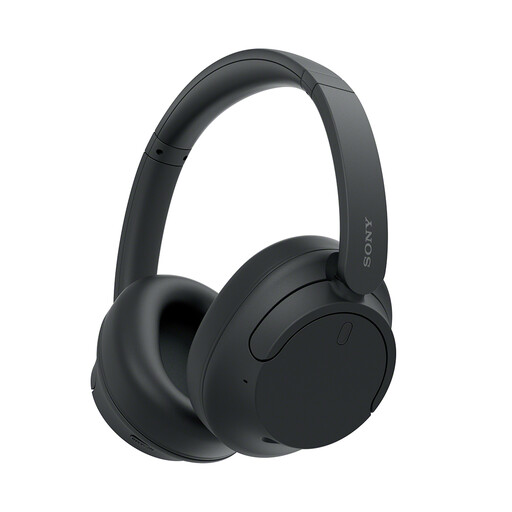 No image available
Consider this over-ear model if you want to try noise cancellation for discussions at home. Check its fit over a full session and how well you can follow speech amid your usual household sounds.
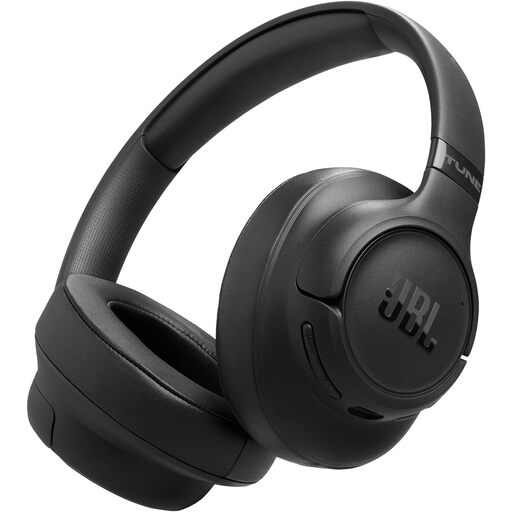 No image available
Its over-ear design and adaptive noise cancellation make it relevant to the household-noise question. Try spoken dialogue at a comfortable volume to judge whether it meets your needs.
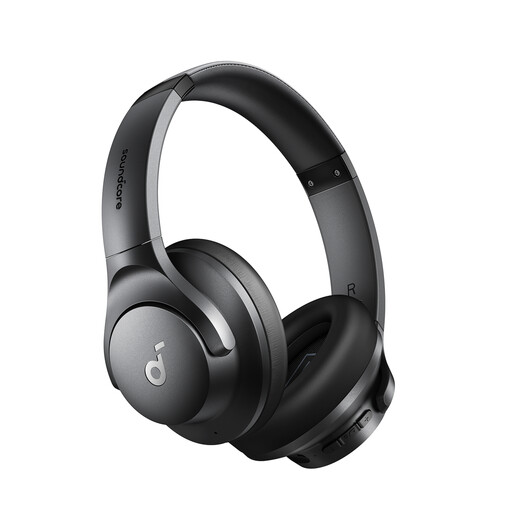 No image available
This over-ear option suits a comparison of noise-cancelling fits for home listening. Pay particular attention to earcup comfort and whether household voices still interfere with dialogue.
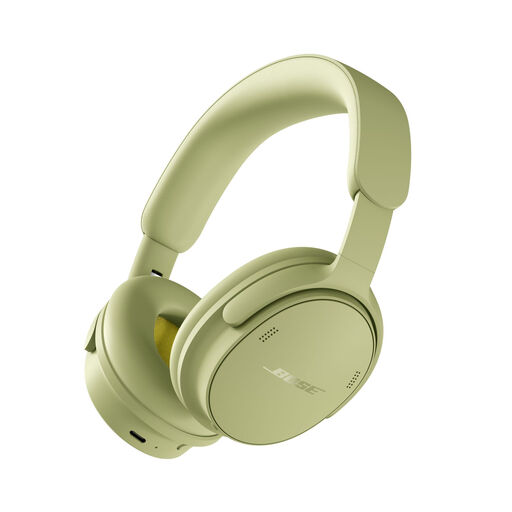 No image available
Consider the fit of this model for longer discussions, and test it with your own recordings. It is not the QuietComfort Ultra Headphones (2nd Gen) assessed in the Bose comparison above.
 No image available
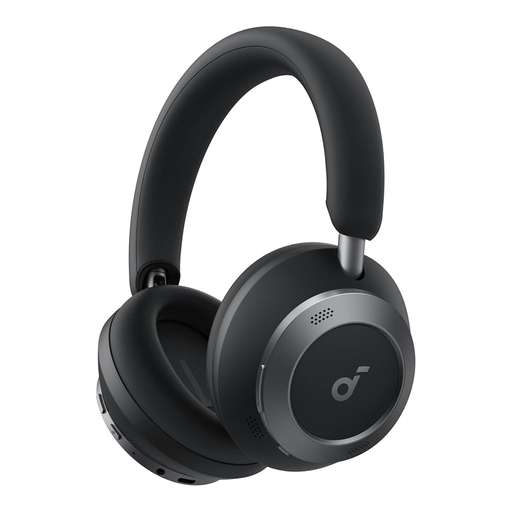
These wireless over-ear headphones list adaptive active noise cancellation. If theatre dialogue is the priority, assess both wearing comfort and speech audibility rather than relying on the feature name alone.
It can reduce the urge to turn up speech over background noise, but it does not make any volume safe regardless of listening time. Royal Free London NHS Foundation Trust suggests noise-cancelling headphones as one way to avoid compensating for noise; the World Health Organization notes that risk increases with louder sound and longer exposure.
For a UK distance purchase to which the cancellation right applies, the Consumer Contracts Regulations 2013 set a cancellation period ending 14 days after you or your nominated person takes physical possession of the goods. Check the applicable legal exceptions and the retailer’s return instructions before opening or using the headphones extensively; a change-of-mind cancellation is distinct from remedies for faulty goods.
Contact the retailer and keep your order record: the UK Consumer Rights Act 2015 addresses remedies for faulty goods. A manufacturer warranty is separate from those statutory rights.
Do not put electrical headphones or their batteries in household rubbish. UK government guidance directs consumers towards appropriate electrical-waste and battery collection; check a local collection option for the headphones and their battery type.