Start with wireless headphones that fit securely, then check at your intended volume whether someone beside you can hear the music. Closed over-ear headphones are worth considering for longer seated sessions; true-wireless earbuds suit compact carry, provided their fit and per-charge runtime work for you. Noise cancelling may help you resist turning the volume up, but it does not establish that your music is inaudible to others.
Who these choices suit
Quiet-zone orchestral listeners
If you want to follow the music without disturbing nearby readers, prioritise a secure fit, modest volume and a leakage check. University of Portsmouth Library asks users to set volume so that nobody else can hear escaping sound; check the rules where you listen.
Long-session library regulars
If you listen while reading or studying for several hours, try the fit for an extended period and compare playback time with noise cancelling switched on. Set device alerts so they will not interrupt a quiet area.
Minimal-carry, multi-device listeners
If you move between a phone, tablet and laptop, compact earbuds and multipoint connection may matter more than a long single-charge runtime. Check how many devices your chosen model can connect and whether that changes with your preferred audio codec.
What to check when choosing
Closed over-ear headphones
Choose when: Longer seated sessions and an over-ear fit matter most; Sony specifies its WH-1000XM6 as closed and over-ear, with a detachable cable.
Bear in mind: A headband and earcups take more room to carry, and closed construction does not prove that music will be inaudible nearby.
True-wireless earbuds
Choose when: Pocketable carry and switching between devices take priority; Technics specifies connection to up to three devices for its EAH-AZ100.
Bear in mind: Ear-tip fit needs checking, and Technics quotes approximately 7 hours per charge for the EAH-AZ100 with LDAC and noise cancelling on.
| Concern | Buying checks | Who this matters to |
|---|
| Disturbing nearby readers |
Check for a secure earcup or ear-tip fit. At your intended volume, ask someone beside you whether they can hear the music. |
In a silent area, I need to follow the piece without anyone beside me hearing it; around 42% of consumers put preventing disturbance first. |
| Orchestral detail and balance |
Try familiar quiet and full passages at a modest volume. If a codec matters to you, check that both headphones and playback device support it. |
I want to follow changes between instruments without turning up the loud passages. Hearing that detail is the primary concern for around 33% of consumers. |
| Carry and device switching |
Compare playback time with noise cancelling on and check multipoint limits, including any codec conditions. |
Moving between my devices makes compact carry and straightforward switching valuable, even if I charge the earbuds more often; roughly 25% of consumers prioritise that convenience. |
Mistakes to avoid
-
Treating noise cancelling as a reason to listen louder
Noise cancelling addresses surrounding sound, not the risks of loud or prolonged listening. The World Health Organization advises keeping volume down and using well-fitted noise-cancelling headphones when background noise would otherwise prompt you to raise it.
Set a modest volume and use your device's sound-exposure monitoring if available.
-
Assuming headphones prevent all sound escaping
Neither an over-ear shape nor active noise cancelling establishes what a neighbour will hear at your chosen volume. University of Portsmouth Library asks users to ensure no escaping noise can be heard by anyone else.
Ask someone nearby to listen for leakage before settling into a silent area, lower the volume if necessary and check your own library's rules.
-
Choosing by codec name alone
Sony's WH-1000XM6, Technics' EAH-AZ100 and Bowers & Wilkins' Px7 S3 list different codec support. A codec on the headphone specification does not establish that your playback device can use it or that you will prefer the resulting sound.
Check compatibility across your playback devices, then try familiar orchestral recordings at the volume you expect to use.
Brands to consider for these formats
Sony
Sony offers relevant over-ear and true-wireless examples: the WH-1000XM6 and WF-1000XM6.
- Sony specifies the WH-1000XM6 as closed and over-ear, with LDAC, a detachable 1.2 m cable and up to 30 hours of playback with noise cancelling on.
- The WF-1000XM6's fit depends on the wearer; neither model's format establishes inaudible leakage at your listening volume.
Technics
The EAH-AZ100 is a true-wireless option for listeners interested in compact carry and multi-device connection.
- Technics specifies LDAC, LC3, adaptive hybrid noise cancelling and multipoint connection for up to three devices on the EAH-AZ100.
- Technics quotes approximately 7 hours per charge with LDAC and noise cancelling on. Check ear-tip fit and plan when you would use the case to recharge.
Bowers & Wilkins
The Px7 S3 is an over-ear option for listeners comparing adjustable noise cancellation and wireless codec compatibility.
- Bowers & Wilkins lists adaptive noise cancellation, aptX Lossless, aptX Adaptive and a five-band EQ for the Px7 S3.
- Check that your playback device supports the codec you intend to use, and try the fit and sound with your own recordings rather than treating the feature list as a listening result.
Joybuy products for this setting
These over-ear headphones and compact earphones offer different formats to consider for library listening. For any of them, check fit, sound leakage and your library's rules before using them in a silent area.
 No image available
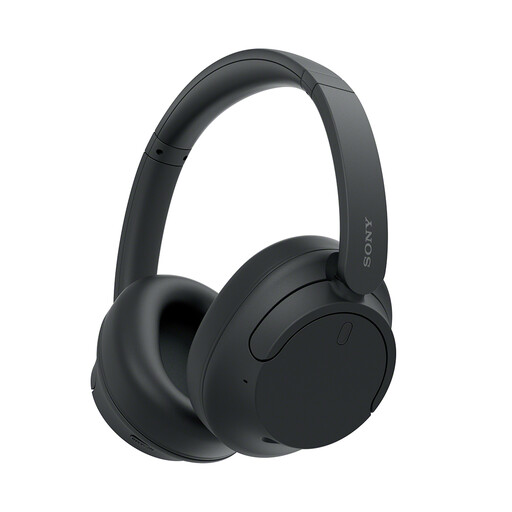
Sony WH-CH720N Noise-Cancelling Over-Ear Headphones (Black)
For seated listening, consider this over-ear, noise-cancelling format if it feels comfortable over a full session. Check whether your music is audible beside you at your intended volume.
View on Joybuy
 No image available
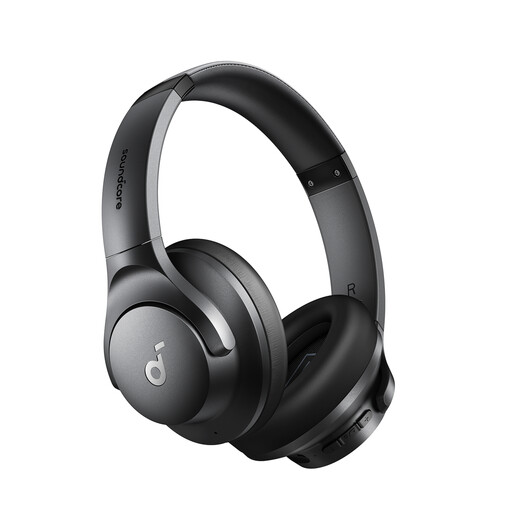
soundcore Q21i Noise-Cancelling Over-Ear Headphones (Black)
If you prefer an over-ear fit for library sessions, check this wireless noise-cancelling model for comfort and audition it with familiar orchestral music. Its format alone does not establish low leakage.
View on Joybuy
 No image available
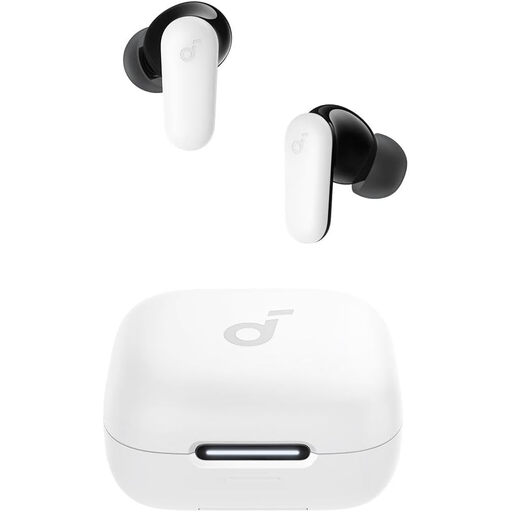
Soundcore R50i NC Noise-Cancelling Earbuds (White)
For compact carry, consider these noise-cancelling earbuds if their fit works for you. Check per-charge playback time for your sessions and test whether someone nearby can hear your music.
View on Joybuy
 No image available
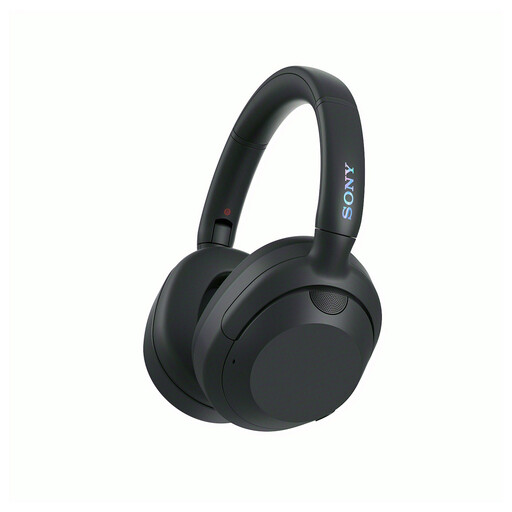
Sony WH-ULT900N ULT Wear Noise-Cancelling Over-Ear Headphones (Black)
For longer seated sessions, assess the over-ear fit and noise-cancelling design against your comfort needs. Try your usual orchestral recordings and check leakage at the volume you would use in the library.
View on Joybuy
 No image available
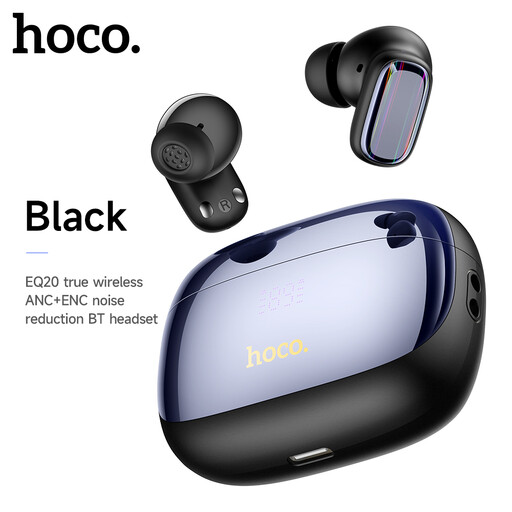
HOCO EQ20 Rhyme Wireless Noise-Reduction Earphones (Black)
For compact listening, check whether these wireless earphones fit securely and whether their noise-reduction controls suit your use. Confirm that playback time covers your sessions and that music does not escape at your chosen volume.
View on Joybuy
Common questions
How can I tell whether my headphones are quiet enough for a silent library area?
Play music at the volume you intend to use and ask someone beside you whether they can hear it. University of Portsmouth Library asks users to adjust volume so that no escaping noise can be heard by anyone else; check the policy of the library you use.
Should I use noise cancelling in a quiet library?
Use it if surrounding noise would otherwise tempt you to raise the volume; it need not be on in an already quiet room. The World Health Organization recommends well-fitted noise-cancelling headphones in noisy situations while advising listeners to keep volume down. Noise cancelling does not replace a leakage check.
Are over-ear headphones necessarily better than earbuds for orchestral music?
No: choose by fit, the way you carry them and the length of your listening sessions rather than format alone. Over-ear models may suit a preference for headband wear, while true-wireless earbuds offer compact carry; try familiar recordings at a modest volume and check each model's playback time and device compatibility.
What should I check before ordering headphones or earbuds?
Check the seller's current stock information, the applicable returns terms, warranty coverage and battery-service options for the model you choose. For earbuds, also check any stated conditions concerning opened ear tips; those terms should not be confused with remedies for faulty or misdescribed goods.


