Piano-focused office listeners
If you play familiar recitals while working or taking a break, reducing distraction may matter, but you will still need to judge the tonal balance for yourself.


For piano recitals at a busy desk, start with wireless over-ear headphones that offer noise cancellation and a way to hear your surroundings when needed. Choose between device switching, wired listening and sound adjustment according to your workday; Sony, Bose and Sennheiser specify different options, but none establishes which tuning you will prefer for piano. Try familiar recordings where possible, and follow workplace rules when you need to hear instructions or warnings.
If you play familiar recitals while working or taking a break, reducing distraction may matter, but you will still need to judge the tonal balance for yourself.
If your listening moves between a laptop and phone, consider how the headphones handle calls, connections and charging during the workday.
If you must hear colleagues, alerts or instructions, look for noise controls you can change as the task changes, subject to your workplace rules.
Decide how much office sound you can block before weighing adjustments for piano playback, device switching and charging.
| Concern | What to check | Who this matters to |
|---|---|---|
| Office distraction | Check for adjustable active noise cancellation and an awareness mode on the exact model. | When office chatter interrupts quiet passages, I want to reduce distractions without blocking sounds I need to hear. Around 36% of consumers put distraction control first. |
| Piano playback | Consider EQ controls and whether your device supports the wired connection you want; try familiar recordings where possible. | If a familiar recital sounds unlike I expect, I want room to adjust it or choose another listening connection. For around 29% of consumers, control over piano playback is the primary need. |
| Workday convenience | Check battery life in the mode you expect to use and confirm multipoint support if you switch devices. | When calls move me between a laptop and phone, I want listening and charging to fit around meetings. Around 21% of consumers place workday convenience first. |
| Workplace awareness | Confirm whether personal headphones are permitted for your task and how you will hear relevant warnings or instructions. | If I need to respond to spoken instructions or alarms, remaining aware matters more than maximum isolation. Workplace awareness comes first for around 14% of consumers. |
Noise cancellation on music headphones is not a basis for assuming they meet a workplace hearing-protection requirement. The Health and Safety Executive also cautions that too much attenuation can interfere with communication and warning signals.
For safety-sensitive tasks or designated hearing-protection areas, follow your employer’s risk assessment, equipment requirements and rules on personal headphones.
A stated codec or connection feature does not tell you whether you will like a headphone’s tonal balance with your recordings.
Listen to familiar piano pieces where possible, compare the available listening modes and decide whether the sound or EQ controls suit you.
Manufacturer runtimes depend on use and settings. Bose, for example, states up to 30 hours for QuietComfort Ultra Headphones (2nd Gen), or up to 23 hours with Immersive Audio.
Compare figures for the modes you plan to use and consider when you can charge between meetings or journeys.
Sony’s WH-1000XM6 is a wireless over-ear option for listeners who want to move between devices and retain an analogue cable option.
Bose QuietComfort Ultra Headphones (2nd Gen) offer a wired USB-C listening option alongside wireless listening.
Sennheiser MOMENTUM 4 Wireless is relevant if you want adjustable sound and a long stated playback time for repeated office listening.
These wireless over-ear models offer different starting points for listening at a busy desk. Check the exact model’s noise controls and connections against the sounds you need to hear and the devices you use.
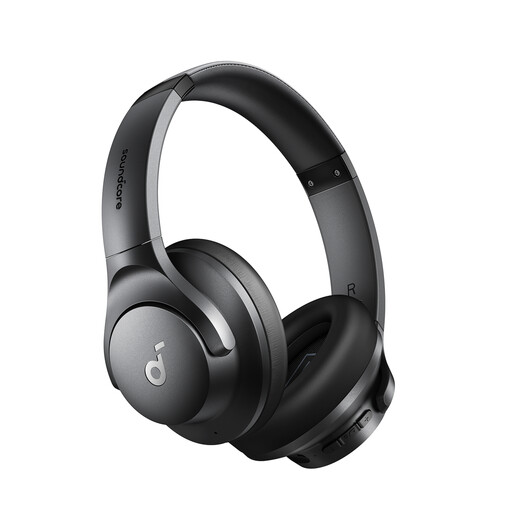 Image unavailable
Consider this model if reducing office distraction is your starting point and you want to check how its controls fit moments when you need to hear colleagues.
Try a familiar piano recording before settling on your preferred sound; consumer noise cancellation is not workplace hearing protection.
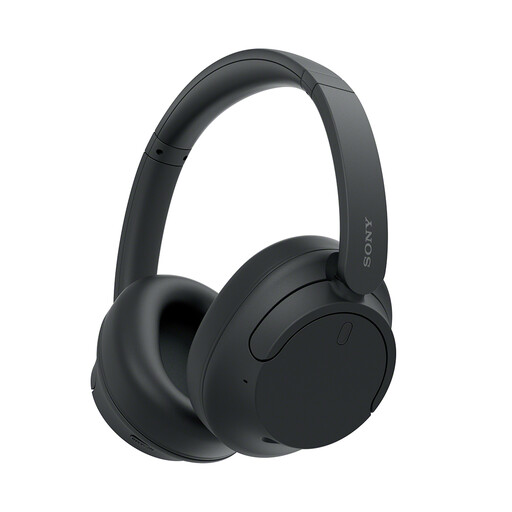 Image unavailable
This wireless over-ear model is worth considering if noise cancellation matters during desk listening and you also move between work devices.
Check that its controls suit the times you must hear surrounding sounds, and judge piano playback with recordings you know.
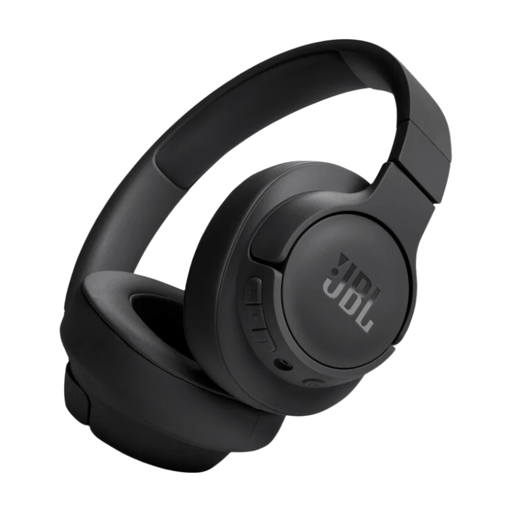 Image unavailable
Consider the JBL Tune 720BT if an over-ear wireless option for listening and changing work devices is your priority.
If active noise cancellation or an awareness mode is essential at your desk, confirm those features on this exact model before choosing it.
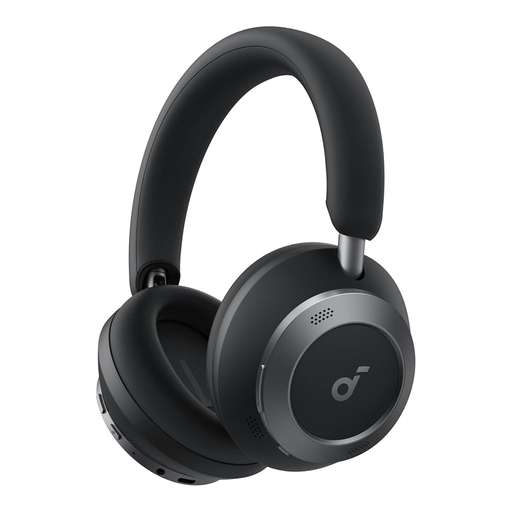 Image unavailable
This wireless model’s stated adaptive active noise cancellation makes it relevant if office distraction is your main concern.
Confirm whether its awareness and sound-adjustment controls meet your needs, especially if you must hear colleagues or want to alter piano playback.
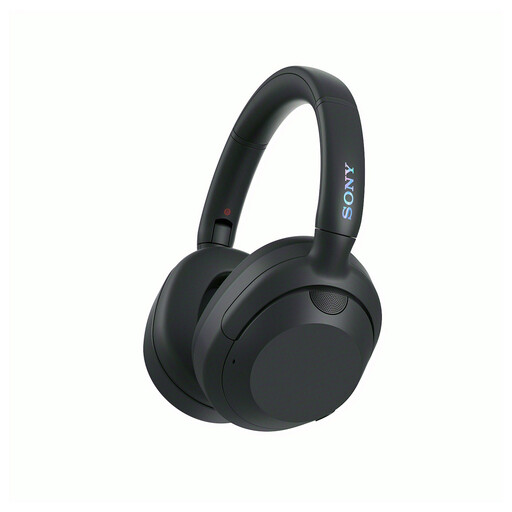 Image unavailable
Consider these wireless headphones if you want noise cancellation for desk listening and a connection option for changing devices.
If hearing colleagues or alerts matters, confirm the exact model’s ambient-sound controls before buying; test familiar piano recordings to assess its sound.
Do not assume that consumer noise-cancelling headphones meet a workplace hearing-protection requirement. Where your employer’s risk assessment or workplace rules require hearing protection, use the specified equipment and procedures; the Health and Safety Executive advises that hearing protection should not replace technical and organisational noise controls.
Use the level that fits your task and workplace rules, rather than leaving maximum isolation on automatically. An awareness or transparency control may help when you need to hear colleagues or alerts, but follow the relevant safety procedures; the Health and Safety Executive warns that excessive attenuation can make warning signals harder to hear.
No: codec support alone cannot tell you whether you will like piano playback. Sony lists LDAC support for WH-1000XM6, but your source device, connection, recording and preferred tonal balance still matter.
A wired option can help when you prefer not to use Bluetooth, provided your source has a compatible connection. Sony specifies a detachable analogue cable and passive operation for WH-1000XM6; Bose describes USB-C lossless playback for QuietComfort Ultra Headphones (2nd Gen) with compatible sources and files.